
Most American families are surprised to learn that bath linens can hide allergens linked to skin irritation and chronic discomfort. Caring for sensitive skin goes far beyond choosing soft textures or bright colors. It means questioning what chemicals and fibers touch your loved ones each day. This guide helps parents recognize key allergen risks and discover simple ways to select and customize linens that are safer and more comfortable for every family member.
Table of Contents
- Bath Linen Allergens and Their Impact
- Hypoallergenic Fabric Types and Benefits
- Effective Washing and Care Techniques
- Preventing Allergen Buildup in the Home
- Customizing Bath Linens for Sensitive Skin
Key Takeaways
| Point | Details |
|---|---|
| Understanding Allergens | Bath linens can contain allergens such as chemical treatments and synthetic fibers that may irritate sensitive skin. |
| Choosing the Right Fabrics | Opt for natural fibers like organic cotton and bamboo, which minimize allergen risks and enhance comfort. |
| Washing and Care Techniques | Employ careful washing methods, including using hypoallergenic detergents and proper drying techniques, to reduce allergens in textiles. |
| Indoor Allergen Management | Maintain a clean environment with high-frequency washing and proper ventilation to control allergens in the home. |
Bath Linen Allergens and Their Impact
Bath linens can harbor complex allergens that significantly impact sensitive skin, triggering reactions ranging from mild irritation to severe dermatological responses. Understanding these microscopic threats is crucial for families seeking safe, comfortable textile experiences. Modern textile manufacturing introduces multiple potential allergen sources, including chemical treatments, residual dyes, and synthetic fiber compositions.
Research demonstrates that textile-related allergens operate through intricate biochemical mechanisms. Detailed investigations into allergic contact dermatitis reveal how specific chemical additives and fiber treatments can provoke immune system responses. Common culprits include formaldehyde resins, azo dyes, metallic compounds, and chemical finishers used during textile production. These substances can cause immediate skin reactions or develop into chronic sensitivities with repeated exposure.
Parents of children with sensitive skin must pay particular attention to bath linen selection. Key factors influencing allergen potential include fiber type, manufacturing process, and chemical treatments. Natural fibers like organic cotton typically present lower allergen risks compared to synthetic alternatives. When selecting bath linens, prioritize products with transparent manufacturing processes, minimal chemical treatments, and certifications indicating hypoallergenic standards. Consider understanding dye-free bath towel options as an additional protective strategy for reducing potential allergen exposure.
Pro tip: Wash new bath linens multiple times before first use to reduce residual chemical treatments and potential allergen concentrations.
Here is a summary of common bath linen allergens and their typical effects:
| Allergen Source | Typical Skin Response | Examples of Linens Affected |
|---|---|---|
| Chemical treatments | Itching, redness, rash | Towels, washcloths, bath mats |
| Residual dyes | Irritation, discoloration | Colored towels, decorative sets |
| Synthetic fiber blends | Dryness, chronic dermatitis | Microfiber towels, blends |
| Metallic textile finishes | Swelling, allergy flare-ups | Lint-free or antimicrobial items |
Hypoallergenic Fabric Types and Benefits
Selecting the right hypoallergenic fabric is crucial for individuals with sensitive skin, offering protection against potential irritants and allergic reactions. Comprehensive fabric research reveals several outstanding materials that provide superior comfort and minimal risk for allergy-prone individuals.
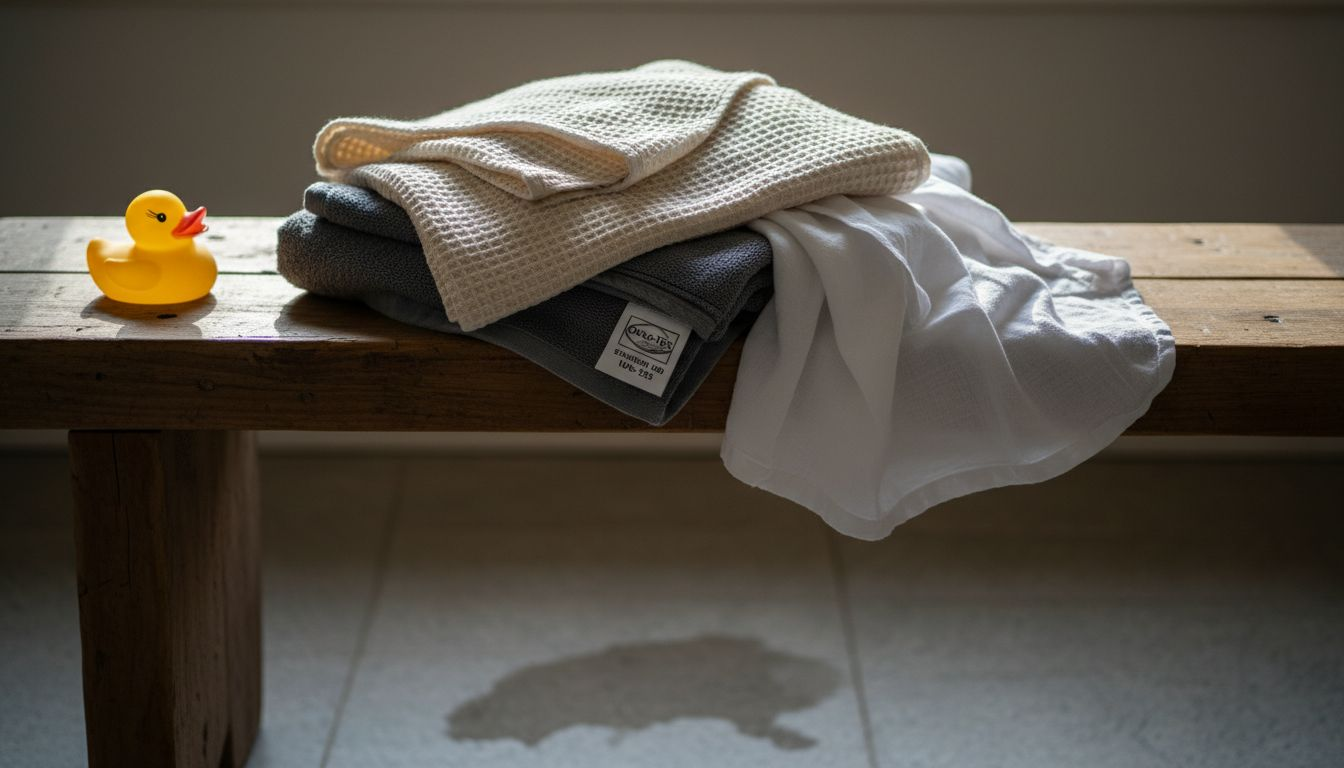
Natural fabrics consistently emerge as top performers in hypoallergenic performance. Organic materials like cotton, bamboo, and silk offer remarkable benefits for sensitive skin. Organic cotton stands out for its breathability and minimal chemical processing, while bamboo provides exceptional moisture-wicking properties and natural antimicrobial characteristics. Silk offers unique smoothness that reduces friction and potential skin irritation, making it an excellent choice for those with delicate skin conditions.
Beyond material selection, understanding fabric certification becomes critical. Look for textiles with transparent manufacturing processes, minimal chemical treatments, and third-party hypoallergenic certifications. Consumers should prioritize fabrics that undergo rigorous testing and demonstrate proven skin compatibility. Key factors to consider include fiber origin, processing methods, and potential residual chemical treatments that might trigger allergic responses.
Pro tip: When purchasing hypoallergenic fabrics, always request detailed manufacturing information and look for certifications from recognized textile safety organizations.
This table highlights top hypoallergenic fabrics for bath linens and their unique benefits:
| Fabric Type | Key Skin Benefit | Unique Property |
|---|---|---|
| Organic cotton | Reduces allergen risk | Breathable and soft |
| Bamboo | Natural antimicrobial | Exceptional moisture-wicking |
| Silk | Ultra smooth for skin | Low friction and non-irritating |
Effective Washing and Care Techniques
Maintaining bath linens requires strategic care to minimize allergen exposure and preserve fabric integrity. Comprehensive washing techniques provide critical insights into protecting sensitive skin and extending textile lifespan. Proper laundering goes beyond simple cleaning, serving as a proactive approach to reducing potential irritants and maintaining fabric quality.
Essential washing strategies focus on meticulous sorting and temperature management. Separate linens by color and fabric type to prevent cross-contamination and color bleeding. Use mild, hypoallergenic detergents specifically formulated for sensitive skin, avoiding harsh chemicals and fragrances that might trigger allergic reactions. Water temperature plays a crucial role - warm water effectively removes allergens without causing fabric shrinkage or damage. For white or light-colored linens, occasional hot water washing can help eliminate dust mites and bacterial buildup.
Drying techniques are equally important in allergen reduction. Air drying remains the gentlest method, minimizing fabric stress and preventing potential chemical interactions from high-heat dryer environments. When using a machine dryer, select low heat settings and remove linens promptly to prevent wrinkle formation and potential fiber damage. Consider using allergen-reducing dryer sheets or wool dryer balls designed for sensitive skin, which can help soften fabrics without introducing additional chemical treatments.
Pro tip: Wash new bath linens at least three times before first use to remove manufacturing residues and minimize potential allergenic compounds.
Preventing Allergen Buildup in the Home
Comprehensive indoor allergen control strategies reveal critical approaches to protecting sensitive individuals from environmental triggers. Allergen management requires a multifaceted approach that addresses textile care, air quality, and systematic cleaning protocols. Understanding the intricate ways allergens accumulate and spread is fundamental to creating a safe living environment for families with sensitivities.
Indoor textile management plays a pivotal role in allergen reduction. Prioritize high-frequency washing of bath linens, bedding, and frequently used fabrics in hot water to eliminate dust mites, pet dander, and microscopic irritants. Clinical research on indoor allergen interventions demonstrates that targeted environmental controls can significantly reduce allergic reactions. Implement strategies like using allergen-resistant covers on bedding, maintaining humidity levels below 50%, and investing in high-efficiency particulate air (HEPA) filtration systems to minimize airborne allergen concentrations.
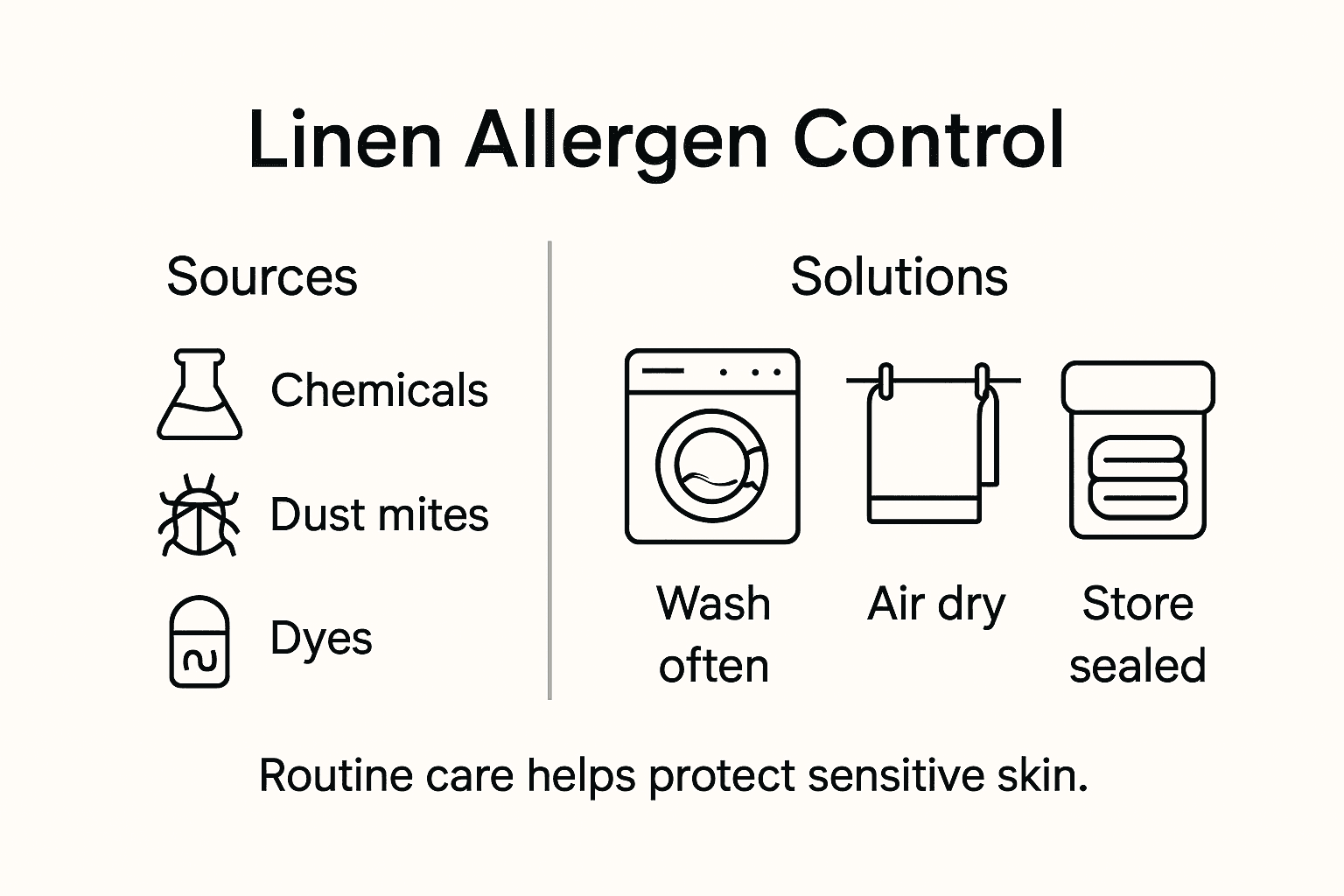
Beyond textile care, comprehensive home maintenance involves strategic cleaning practices. Vacuum frequently using machines equipped with HEPA filters, paying special attention to carpets, upholstered furniture, and areas prone to dust accumulation. Minimize fabric clutter, regularly clean air vents, and consider using antimicrobial treatments on surfaces that frequently collect allergens. Proper ventilation and periodic deep cleaning can dramatically reduce the potential for allergen buildup, creating a safer environment for individuals with sensitive skin and respiratory conditions.
Pro tip: Create a weekly allergen reduction schedule that includes laundering, vacuuming, and air filtration to systematically minimize potential triggers.
Customizing Bath Linens for Sensitive Skin
Industry experts recognize the critical importance of customizing bath linens for individuals with sensitive skin, highlighting the need for personalized textile solutions that prioritize comfort and safety. Customization goes beyond aesthetic preferences, representing a comprehensive approach to addressing individual dermatological needs through strategic fabric selection and design.
Advanced fabric selection techniques reveal multiple strategies for tailoring bath linens to specific skin sensitivities. Key customization considerations include fiber composition, weave density, surface texture, and chemical treatments. Prioritize natural fibers like organic cotton and bamboo, which offer inherent hypoallergenic properties. Look for certifications such as OEKO-TEX and GOTS, which guarantee rigorous testing for harmful substances and ensure minimal chemical exposure. Consider requesting special finishes like enzyme washing, which softens fabric without introducing additional irritants.
Personalization extends to functional design elements that enhance skin protection. Seek bath linens with minimal seam exposure, smooth edge treatments, and lightweight constructions that reduce potential friction points. Some manufacturers offer custom embroidery or trim options that can be strategically placed to minimize skin contact with potentially irritating decorative elements. For individuals with extreme sensitivities, consider consulting dermatologists who can provide tailored recommendations based on specific skin conditions and environmental factors.
Pro tip: Request fabric swatches and conduct a patch test before purchasing full bath linen sets to evaluate individual skin compatibility.
Protect Sensitive Skin with Thoughtfully Designed Bath Linens from Lotus Linen
The challenge of bath linen allergens can cause significant discomfort and skin irritation, especially for those with sensitive skin. Understanding that chemical treatments, residual dyes, and synthetic fibers contribute to allergic reactions highlights the need for hypoallergenic and carefully crafted textiles. At Lotus Linen, we focus on providing natural fabrics with minimal chemical exposure to reduce allergen risks while delivering luxurious comfort and lasting quality.
Explore our Scallop Piping Towels | Luxury Cotton Bath Sets made from soft, breathable organic cotton that helps protect your skin from irritation. Whether you seek comfort or safety, our collection prioritizes allergy-friendly materials and meticulous manufacturing processes. For men who prefer breathable yet stylish options, check out our Lightweight Cotton Kimono Bathrobes for Men | Lotus Linen designed to minimize friction and chemical exposure.

Choose bath linens that support your skin’s health without sacrificing elegance. Visit Lotus Linen today to find hypoallergenic bath solutions that combine safety, softness, and style. Act now to enjoy textiles crafted with your sensitive skin in mind and transform daily routines into moments of gentle luxury.
Frequently Asked Questions
What are common allergens found in bath linens?
Common allergens in bath linens include chemical treatments, residual dyes, synthetic fibers, and metallic finishes. These substances can cause skin irritation, itching, and allergic reactions.
How can I reduce allergens in newly purchased bath linens?
It’s recommended to wash new bath linens multiple times before first use. This helps to eliminate residual chemical treatments and reduce the concentration of potential allergens.
What types of fabrics are best for sensitive skin?
Natural fabrics like organic cotton, bamboo, and silk are ideal for sensitive skin. They tend to have lower allergen risks and offer properties that minimize irritation compared to synthetic materials.
What washing techniques help minimize allergens in bath linens?
To minimize allergens, sort linens by color and type, use mild hypoallergenic detergents, and wash in warm water. Air drying is preferable to using a machine dryer, as it reduces potential stress on the fabrics.
Recommended
- How to Choose Bath Towels: Selecting the Perfect Luxe Towels – Lotus Linen
- Understanding Robe Care for Allergies: Key Insights – Lotus Linen
- Choosing Robes for Guests: Create Comfort and Style – Lotus Linen
- What Is Terry Cloth? Guide to Cozy, Stylish Choices 2025 – Lotus Linen
- 7 Environmental Benefits of Daylight Systems in Healthcare

