
Most american families and international spas now realize that over 60 percent of their textile choices directly affect both indoor air quality and skin health. As sustainability and comfort become top priorities, the debate between cotton and bamboo towels takes center stage. This guide reveals the crucial attributes that set these premium towel types apart, helping eco-conscious decision-makers choose safe, beautiful, and truly sustainable linens for their homes or businesses.
Table of Contents
- Defining Cotton and Bamboo Towels
- Core Qualities: Texture, Absorbency, and Comfort
- Sustainability and Environmental Impacts
- Health, Safety, and Allergen Factors
- Care, Longevity, and Cost Comparison
Key Takeaways
| Point | Details |
|---|---|
| Cotton Towels’ Strengths | Cotton towels are traditional standards known for their softness and durability, but they may lose quality after multiple washes. |
| Bamboo Towels’ Advantages | Bamboo towels offer a sustainable, antimicrobial option that dries quickly and is gentle on sensitive skin. |
| Environmental Considerations | Cotton production has significant water and pesticide demands, while bamboo grows with minimal resources and has a lower environmental impact. |
| Cost and Care Insights | Bamboo towels may have higher initial costs but can last longer than cotton towels, making them a more economical choice in the long run. |
Defining Cotton and Bamboo Towels
Bath towels are essential textiles with unique characteristics derived from their fundamental materials: cotton and bamboo. Textile manufacturing research reveals significant differences in how these two natural fibers are processed and transformed into absorbent, soft toweling materials.
Cotton towels represent the traditional textile standard, crafted from the soft, fluffy fibers surrounding cotton seeds. These fibers undergo extensive processing to create yarns that are then woven or knitted into terry cloth toweling. Cotton has been a preferred material for generations due to its softness, durability, and excellent moisture absorption capabilities. Most household and hotel linens have historically been produced using various grades of cotton, from standard to premium Egyptian and Pima varieties.
Bamboo towels, by contrast, represent an innovative approach to textile production. Derived from mechanically or chemically processed bamboo plant fibers, these towels offer a more sustainable alternative to traditional cotton. The manufacturing process involves extracting cellulose from bamboo stalks and converting it into soft, thread-like fibers suitable for weaving. Bamboo towels have gained significant popularity among environmentally conscious consumers seeking antimicrobial and highly absorbent textile options.
Pro tip: When selecting between cotton and bamboo towels, consider your specific needs for absorption, sustainability, and skin sensitivity to make the most informed choice.
Core Qualities: Texture, Absorbency, and Comfort
Comprehensive towel performance research reveals nuanced differences in cotton and bamboo towel characteristics that go far beyond simple fabric selection. Texture emerges as a critical factor, with each material offering distinct sensory experiences that dramatically impact user comfort and satisfaction.
Cotton towels are renowned for their classic plushness and familiar soft feel. The traditional terry cloth weave creates a thick, dense fabric that feels substantial and comforting against the skin. These towels typically have higher fabric weight and a more pronounced loop structure, which contributes to superior water absorption and a luxurious tactile experience. Detailed textile performance studies indicate cotton maintains its softness even after multiple wash cycles, making it a reliable choice for those who prioritize consistent texture and durability.
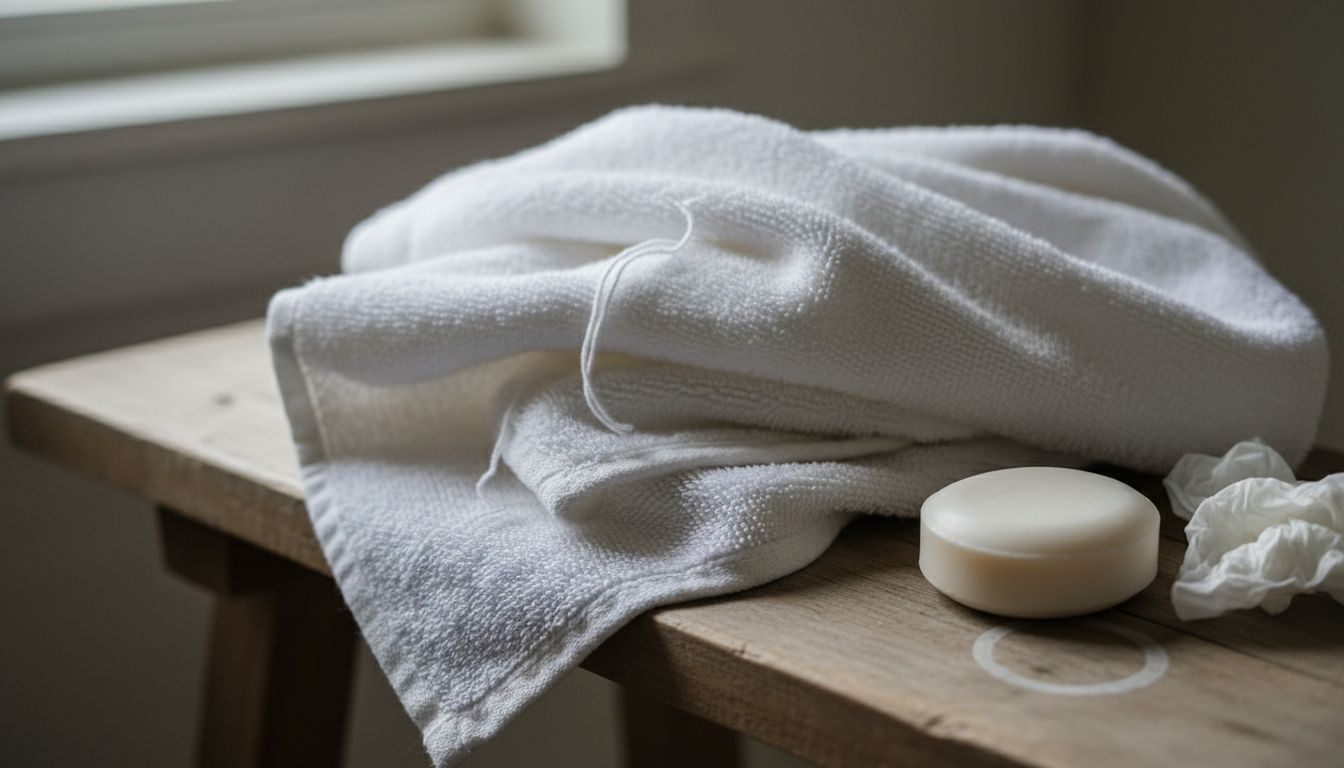
Bamboo towels, by contrast, present a more innovative textile experience. Their fibers create an exceptionally smooth surface with a notably lightweight feel that still provides remarkable absorbency. The natural antimicrobial properties of bamboo contribute to a hygienic textile that remains fresh between washes. Bamboo’s unique fiber structure allows for enhanced moisture-wicking capabilities, meaning these towels dry faster and resist bacterial growth more effectively than traditional cotton options. This makes bamboo particularly appealing for individuals with sensitive skin or those seeking a more eco-friendly textile solution.
Pro tip: When evaluating towel quality, always feel the fabric directly and consider how it performs after multiple wash cycles, not just its initial texture.
Sustainability and Environmental Impacts
Comprehensive ecological analysis reveals profound differences in the environmental footprints of cotton and bamboo towels. The sustainability conversation extends far beyond surface-level impressions, diving deep into agricultural practices, resource consumption, and long-term environmental consequences.
Cotton represents a traditionally problematic textile from an ecological perspective. Agricultural studies demonstrate that cotton farming requires massive water resources, often consuming approximately 10,000 liters of water to produce a single kilogram of cotton. These crops typically demand extensive pesticide and fertilizer inputs, creating significant soil and groundwater contamination. Conventional cotton production contributes substantially to environmental degradation through monocultural farming techniques that deplete soil nutrients and reduce biodiversity.
Bamboo, by contrast, emerges as a substantially more sustainable textile material. This rapidly growing grass requires minimal water, grows without pesticides, and regenerates quickly after harvesting. Bamboo’s root systems prevent soil erosion, capture carbon more efficiently than many other plants, and can grow in diverse environmental conditions. While chemical processing remains a concern in bamboo textile production, the fundamental agricultural practices represent a dramatically lower environmental impact compared to traditional cotton cultivation.
Pro tip: When selecting eco-friendly towels, look beyond marketing claims and investigate the specific cultivation and manufacturing processes of your chosen textile.
Health, Safety, and Allergen Factors
In-depth hypoallergenic fabric research reveals critical distinctions between cotton and bamboo towels that extend far beyond simple textile preferences. The health and safety implications of towel materials can significantly impact skin sensitivity, allergic responses, and overall personal wellness.
Cotton towels present a complex health profile. While historically considered a standard textile, conventional cotton often carries residual chemicals from agricultural treatments and manufacturing processes. These potential contaminants can trigger skin irritations, particularly for individuals with sensitive dermatological conditions. The fabric’s dense fiber structure tends to retain moisture, creating an environment conducive to bacterial growth and potential allergen accumulation. Traditional cotton towels may also harbor microscopic irritants from pesticide treatments and chemical processing, making them less ideal for people with heightened skin sensitivities.
Bamboo towels represent a transformative approach to textile health and safety. Their natural antimicrobial properties inhibit bacterial growth more effectively than cotton, creating an inherently more hygienic surface. The smooth, rounded fiber structure of bamboo reduces skin friction and potential irritation, making these towels exceptionally gentle for individuals prone to allergic reactions or dermatological sensitivities. Bamboo’s moisture-wicking capabilities ensure faster drying times, further reducing the potential for microbial development and maintaining a cleaner textile environment.
Pro tip: For individuals with sensitive skin, always wash new towels before first use and consider conducting a small patch test to assess potential allergic reactions.
Care, Longevity, and Cost Comparison
Comprehensive towel maintenance research reveals critical insights into the long-term performance and economic considerations of cotton and bamboo textiles. The care requirements and durability of these materials represent significant factors in determining overall value and user satisfaction.
Cotton towels have established a traditional reputation for straightforward maintenance and initial affordability. Their robust fiber structure typically withstands frequent washing, maintaining structural integrity through numerous laundry cycles. However, cotton towels demonstrate progressive quality degradation, with fibers becoming less soft and absorbent over time. Detailed market analysis indicates that standard cotton towels may lose up to 30% of their original softness after 50 wash cycles, necessitating more frequent replacement and potentially increasing long-term expenses.
Bamboo towels present a more nuanced economic proposition. While initial purchase prices average 20-40% higher than cotton alternatives, their advanced moisture-wicking properties and antimicrobial characteristics can extend functional lifespan. Bamboo fibers maintain structural resilience more effectively, resisting bacterial growth and maintaining softness through extended use. Specialized care instructions—such as avoiding fabric softeners and using gentle wash cycles—can further enhance their durability and performance, potentially offsetting higher upfront costs.
Below is a quick reference for towel care and longevity:
| Care Factor | Cotton Towels | Bamboo Towels |
|---|---|---|
| Wash Frequency | Frequent, tolerates heat | Gentle cycle preferred |
| Drying Method | Machine dry, possible shrinkage | Air dry best for longevity |
| Use of Softener | Permissible, reduces absorbency | Not recommended |
| Expected Lifespan | Wears in 1-3 years | Retains quality up to 5 years |
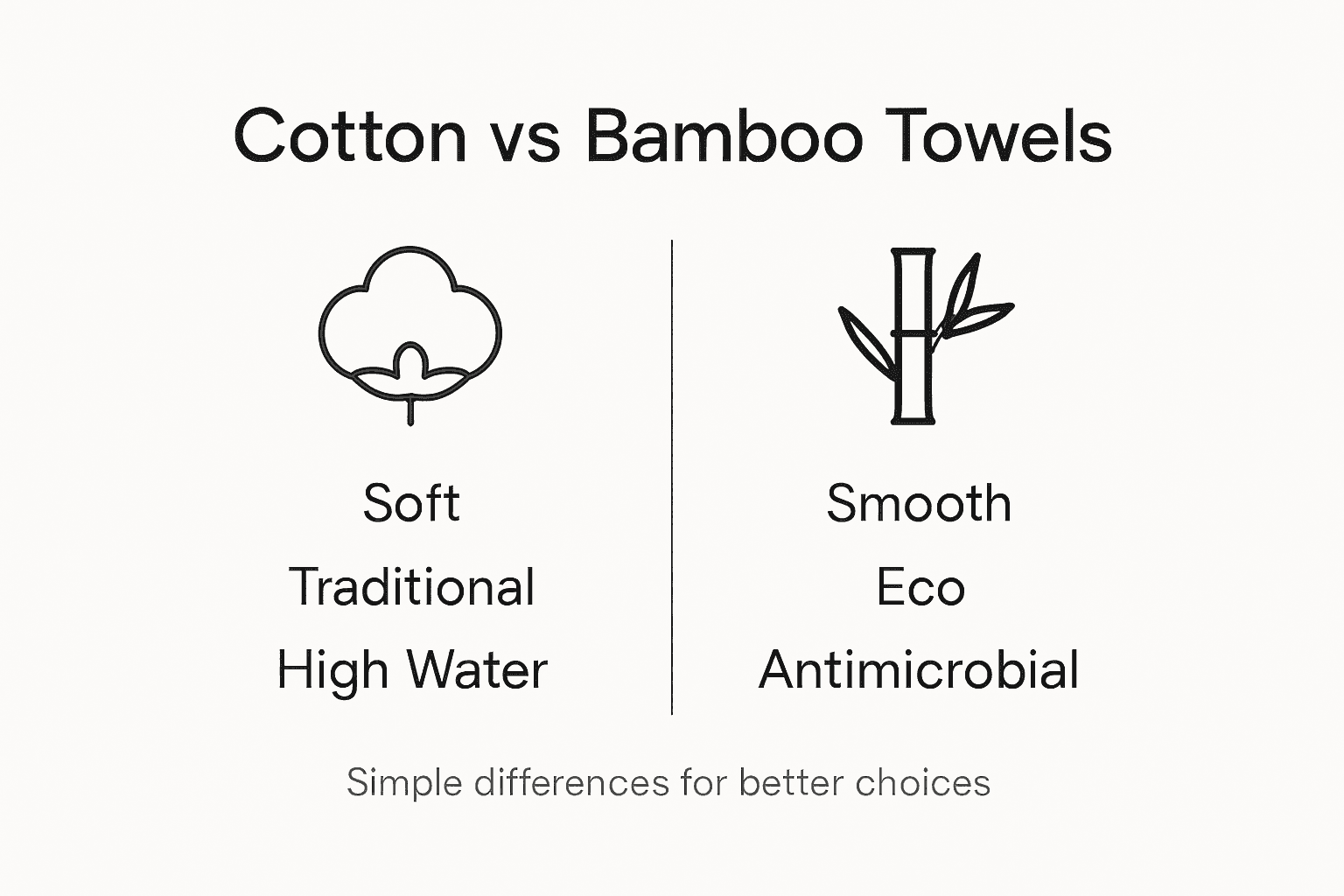
Here’s a concise overview of the main differences between cotton and bamboo towels:
| Characteristic | Cotton Towels | Bamboo Towels |
|---|---|---|
| Fiber Source | Cotton plant | Bamboo stalks |
| Main Feel | Plush, dense | Silky, lightweight |
| Absorbency | High; slow dry | High; fast dry |
| Skin Sensitivity | May cause irritation | Gentle, hypoallergenic |
| Environmental Impact | High water, pesticides | Low water, minimal chemicals |
| Cost Range | Lower upfront | Higher upfront, longer lasting |
| Durability | Softness fades over time | Retains softness longer |
| Antimicrobial Properties | Not naturally antimicrobial | Naturally resists bacteria |
| Common Use | Traditional linen | Eco-focused, sensitive skin |
Pro tip: Invest in high-quality towels and follow manufacturer care instructions precisely to maximize longevity and maintain textile performance.
Experience the Perfect Blend of Comfort and Sustainability with Lotus Linen
Struggling to choose between the classic softness of cotton and the modern benefits of bamboo towels? Many face the challenge of balancing absorbency, skin sensitivity, and eco impact when selecting bath linens. At Lotus Linen, we understand these concerns and offer premium bath and loungewear solutions designed to harmonize comfort, safety, and environmental responsibility. Our collection caters to those who value plush textures without compromising on sustainability or skin-friendly materials.

Discover how our carefully crafted robes and towels reflect the best qualities highlighted in the discussion of cotton versus bamboo. Whether you seek the durable luxury of traditional fabrics or the gentle, antimicrobial benefits of bamboo-inspired textiles, you can find your perfect match at Lotus Linen. Act now to elevate your self-care routine with products that honor your health and the planet. Explore our curated selections and enjoy exceptional comfort tailored for men, women, kids, and families at https://shoplotuslinen.com. Make your next bath experience truly revitalizing today.
Frequently Asked Questions
What is the main difference between cotton and bamboo towels?
Cotton towels are made from the fibers of the cotton plant, offering a plush and dense texture with high absorbency but can degrade over time. Bamboo towels are derived from bamboo plant fibers, providing a silky and lightweight feel with natural antimicrobial properties and better moisture-wicking capabilities.
Are bamboo towels hypoallergenic?
Yes, bamboo towels are hypoallergenic due to their smooth fiber structure and natural antimicrobial properties, making them suitable for individuals with sensitive skin or allergies.
How should I care for cotton and bamboo towels to ensure longevity?
Cotton towels can tolerate frequent washes and heat drying but can lose softness over time. Bamboo towels should be washed on gentle cycles without fabric softeners and are best air-dried to maintain their quality and durability.
Which towels are more environmentally friendly, cotton or bamboo?
Bamboo towels are generally considered more eco-friendly as bamboo grows quickly with minimal water and no pesticides. In contrast, cotton farming consumes large amounts of water and often uses harmful chemicals, contributing to environmental degradation.
Recommended
- How to Choose Bath Towels: Selecting the Perfect Luxe Towels – Lotus Linen
- Understanding Cotton vs Bamboo Towels: Which is Best? – Lotus Linen
- Best Personalized Robe Styles – Expert Comparison 2025 – Lotus Linen
- Best Absorbing Towel Materials for 2025: Guide for Luxury & Comfort – Lotus Linen
- Choosing Between Polished and Honed Tile Finishes
- 7 Essential Types of Camping Blankets for Outdoor Comfort – Hazli Collection

