
Over 60 percent of American families unknowingly expose themselves to germs through poorly managed towels. When it comes to your household’s comfort and wellness, the towels you use can make a big difference in preventing bacterial transmission. With practical expert strategies and clear recommendations, you can boost daily hygiene and protect your loved ones from common risks lurking in ordinary laundry routines.
Table of Contents
- Defining Hygienic Towel Practices For Families
- Types Of Towels And Their Proper Uses
- Essentials Of Proper Towel Laundering
- Risks Of Poor Towel Hygiene At Home
- Expert Tips To Maintain Towel Cleanliness
Key Takeaways
| Point | Details |
|---|---|
| Dedicated Towels for Each Family Member | Use individual towels for family members to prevent pathogen spread and ensure hygiene. |
| Frequent Washing and Replacement | Wash towels every 3-4 days and replace worn towels to minimize health risks. |
| Proper Drying Techniques | Hang towels in well-ventilated areas to reduce moisture that fosters bacterial growth. |
| Utilize a Color-Coded System | Implement a color-coded towel system to prevent accidental sharing and improve towel management. |
Defining Hygienic Towel Practices for Families
Hygienic towel practices are systematic approaches families use to maintain cleanliness, prevent cross-contamination, and protect overall household health. These practices go beyond simple washing and involve strategic management of personal linens to minimize bacterial transmission and ensure individual wellness. Understanding core principles can dramatically reduce health risks associated with improper towel usage.
Global health organizations have established critical guidelines for maintaining towel hygiene. Research from UNICEF highlights the importance of dedicated drying items for different household members, emphasizing that each family member should have exclusive towels to prevent potential pathogen spread. Key principles include regular washing, proper drying, individual storage, and frequent replacement of worn towels.
Modern families must recognize that towels are more than simple fabric accessories - they are potential vectors for bacterial and viral transmission. A comprehensive 2024 scientific study reveals that inadequate towel practices significantly impact family health, particularly for vulnerable populations like children and adolescents. Critical strategies include:
- Washing towels in hot water (at least 140°F)
- Replacing personal towels every 3-4 days
- Hanging towels in well-ventilated areas
- Using separate towels for different body areas
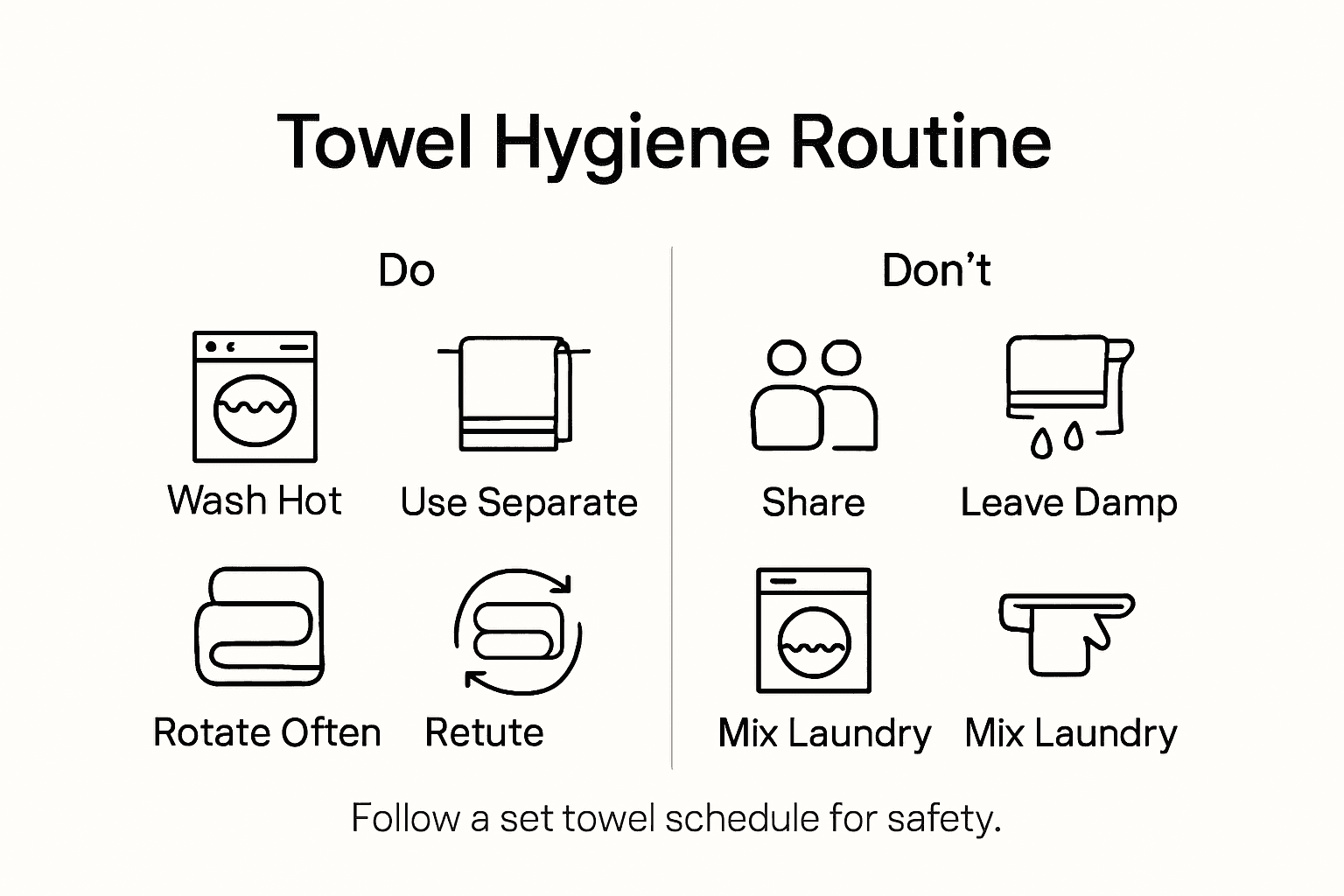
- Avoiding shared towels between family members
Pro Tip for Towel Hygiene: Implement a color-coded towel system where each family member has a distinct color to prevent accidental sharing and cross-contamination.
Personal Recommendation: Rotate towels frequently and invest in quick-drying, antimicrobial fabrics that support better hygiene practices.
Types of Towels and Their Proper Uses
Understanding the nuanced world of towels is critical for maintaining family wellness and hygiene. Comprehensive global research catalogs multiple towel types designed for specific household functions, emphasizing that not all towels are created equal. Each type serves a unique purpose, with specialized materials and designs targeting different cleaning and drying needs across various household environments.
The primary towel categories include bath towels, hand towels, kitchen towels, face towels, hair towels, and specialty wellness towels. Detailed analysis reveals distinct characteristics for each towel type, including absorbency, drying speed, and antibacterial properties. Bath towels, typically made from cotton or terry cloth, are designed for full-body drying and should be large, highly absorbent, and soft. Hand towels are smaller, meant for quick hand and face drying, while kitchen towels require different material specifications to handle moisture and potential food contamination.
Here’s a comparison of common household towel types and their ideal uses:
| Towel Type | Recommended Material | Best Use Scenario | Key Hygiene Advantage |
|---|---|---|---|
| Bath Towel | Cotton or Terry | Full-body drying | Superior absorbency |
| Hand Towel | Cotton or Bamboo | Hand/face cleaning | Frequent rotation possible |
| Kitchen Towel | Microfiber or Linen | Food prep/cleaning | Fast drying, reduces bacteria |
| Face Towel | Bamboo or Cotton | Facial care | Soft, gentle on skin |
| Hair Towel | Microfiber | Hair drying | Lightweight, dries quickly |
| Wellness Towel | Antimicrobial blends | Special health needs | Minimizes pathogen transfer |
Key towel characteristics families should consider include:
-
Material Composition
- Cotton: Most traditional, highly absorbent
- Microfiber: Quick-drying, lightweight
- Bamboo: Naturally antimicrobial
- Terry Cloth: Excellent for bath and beach use
-
Specific Use Recommendations
- Bath Towels: Large, plush, personal use only
- Hand Towels: Smaller, frequent replacement
- Kitchen Towels: Thin, quick-drying, washable
- Face Towels: Soft, gentle materials
- Hair Towels: Lightweight, highly absorbent
Hygiene Tip: Designate specific colors for different towel types to prevent cross-contamination and simplify household management.
Pro Tip for Towel Selection: Invest in high-quality, quick-drying towels with GSM (grams per square meter) between 300-900 to ensure optimal absorption, durability, and hygiene for your family.
Essentials of Proper Towel Laundering
Proper towel laundering is a critical component of maintaining family health and preventing the spread of harmful bacteria and viruses. The Centers for Disease Control provides comprehensive global guidelines for safe linen and towel management, emphasizing that effective laundering goes far beyond simple washing. Families must understand that towels can harbor dangerous microorganisms if not cleaned and handled correctly.
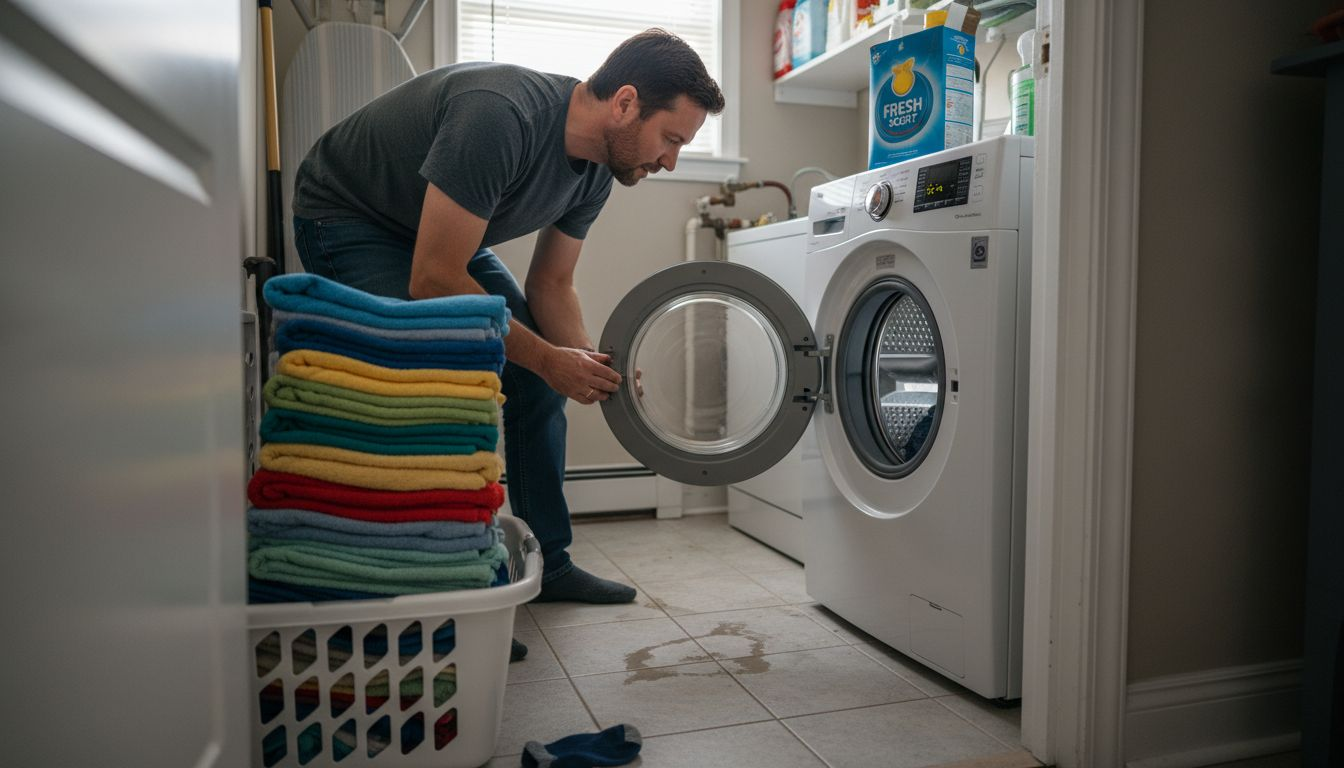
UK health protocols recommend specific temperature and decontamination standards to ensure towels are thoroughly sanitized. Critical laundering practices include washing at temperatures above 140°F, using appropriate detergents, and implementing strict separation between soiled and clean linens. Different towel types require nuanced approaches to effectively eliminate potential health risks.
Key laundering guidelines for optimal family hygiene include:
Below is a summary of optimal towel laundering standards for different scenarios:
| Linen Type | Ideal Wash Temp | Suggested Sanitizer | Storage Guidance |
|---|---|---|---|
| Bath Towels | 140-160°F | Bleach (white towels) | Dry, ventilated linen closet |
| Hand Towels | 140°F | Vinegar or color-safe agent | Separate hooks per person |
| Kitchen Towels | Highest setting | Baking soda or vinegar | Isolated from bathroom towels |
| Sports Towels | 140°F | Hydrogen peroxide | Away from household linens |
| Face Towels | 140°F | Gentle sanitizing agents | Dedicated small bins |
-
Washing Temperature Protocols
- Bath Towels: 140-160°F for complete bacterial elimination
- Hand Towels: Minimum 140°F due to frequent contact
- Kitchen Towels: Highest temperature setting to kill food-related bacteria
-
Detergent and Sanitization Strategies
- Use bleach-compatible detergents for white towels
- Select color-safe sanitizing agents for colored linens
- Add white vinegar to rinse cycle for natural disinfection
- Use color-coded towels to prevent cross-contamination
-
Drying and Storage Recommendations
- Fully dry towels immediately after washing
- Use high heat setting in dryer
- Store in well-ventilated, dry areas
- Replace towels every 3-4 years
Hygiene Warning: Never mix potentially contaminated towels with clean linens during washing or drying.
Pro Tip for Towel Care: Create a dedicated laundry schedule with color-coded hampers to streamline towel management and minimize cross-contamination risks.
Risks of Poor Towel Hygiene at Home
Comprehensive research from the International Scientific Forum on Home Hygiene reveals alarming details about pathogenic organisms that survive and spread through household towels. Towels are not simply passive cleaning tools but potential breeding grounds for dangerous microorganisms that can rapidly multiply and transmit infections between family members. The microscopic world hiding in damp, improperly maintained towels poses significant health risks that many families underestimate.
Recent academic studies demonstrate that bath towels can support the growth of harmful bacteria like E. coli and coliforms when not washed and dried properly. These pathogens can survive on fabric fibers for extended periods, creating silent transmission routes for potential illnesses. Young adults and families with children are particularly vulnerable, as their immune systems may be less resilient to bacterial challenges.
Key risk factors for towel-related health hazards include:
-
Bacterial Transmission Pathways
- Sharing towels between family members
- Hanging towels in humid, poorly ventilated spaces
- Infrequent washing and drying
- Using towels beyond recommended replacement cycles
-
High-Risk Contamination Scenarios
- Bathroom towels after personal hygiene
- Kitchen towels exposed to food preparation areas
- Gym and sports towels
- Towels used during illness recovery
-
Potential Health Consequences
- Skin infections
- Respiratory tract infections
- Gastrointestinal diseases
- Cross-contamination between family members
Hygiene Alert: Moist towels left in confined spaces can become bacterial incubators within hours.
Pro Tip for Towel Safety: Implement a strict 48-hour rotation and immediate drying policy for all household towels to minimize bacterial growth and potential health risks.
Expert Tips to Maintain Towel Cleanliness
Expert hygiene recommendations highlight critical practices for maintaining towel cleanliness beyond standard washing routines, revealing that effective towel care requires strategic approaches to minimize bacterial growth and preserve fabric quality. Understanding these nuanced techniques can transform household linen management from a mundane chore to a proactive health protection strategy.
Advanced towel maintenance strategies combine routine cleaning with specialized techniques designed to maximize microbial safety and fabric longevity. Modern families need comprehensive approaches that address not just surface cleaning, but the underlying factors that contribute to towel degradation and potential health risks. These methods go beyond traditional laundering to ensure optimal hygiene and performance.
Comprehensive towel cleanliness strategies include:
-
Washing Optimization
- Wash towels every 3-4 uses
- Use hot water (140°F minimum)
- Select antimicrobial detergents
- Avoid fabric softeners that reduce absorbency
-
Drying and Storage Techniques
- Fully spread towels after each use
- Utilize well-ventilated drying areas
- Rotate towels to ensure complete drying
- Consider sun exposure for natural disinfection
-
Enhanced Cleaning Methods
- Add white vinegar to rinse cycle
- Use baking soda for deep cleaning
- Periodically sanitize with hydrogen peroxide
- Replace towels every 1-2 years
Hygiene Insight: Moisture is the primary catalyst for bacterial growth - quick and thorough drying is your first line of defense.
Pro Tip for Towel Maintenance: Implement a color-coded towel system with dedicated hanging spaces to track usage, ensure proper rotation, and prevent cross-contamination between family members.
Elevate Your Family’s Towel Hygiene with Lotus Linen
Poor towel hygiene can silently threaten your loved ones with harmful bacteria and cross-contamination. This article highlights key challenges such as frequent towel rotation, effective laundering, and avoiding shared towels to protect family wellness. At Lotus Linen, we understand these concerns and offer premium solutions designed to boost your household’s hygiene standards without sacrificing comfort or style.
Discover our exclusive range of plush and quick-drying towels and customizable robes crafted for every family member. Staying on top of hygienic towel practices is easier with thoughtfully designed linens that promote thorough drying, minimize pathogen transfer, and simplify daily care routines. Explore our collection and integrate superior fabrics and functional elegance into your home.

Don’t wait for microbial risks to grow in damp, overused fabrics. Upgrade your hygiene game today with Lotus Linen’s carefully curated options meant to support healthy living. Visit Lotus Linen now and experience the perfect balance of safety, comfort, and durability. Better towel hygiene starts here.
Frequently Asked Questions
What are hygienic towel practices for families?
Hygienic towel practices involve systematic approaches to maintain cleanliness, prevent cross-contamination, and protect household health. These include using individual towels for each family member, regular washing in hot water, and ensuring proper drying and storage.
How often should towels be washed to maintain hygiene?
Towels should be washed every 3-4 uses to prevent bacterial growth. Bath towels are recommended to be washed in hot water (at least 140°F) to effectively eliminate pathogens.
What types of towels are best for different uses in the household?
Choosing the right towels involves understanding their specific purposes: bath towels are for full-body drying, hand towels for quick drying, kitchen towels for food prep, and face towels for facial care. Each type should be made from materials that enhance their intended use and hygiene.
How can I enhance towel cleanliness beyond regular washing?
To enhance towel cleanliness, fully dry towels after each use, use antimicrobial detergents, add white vinegar to the rinse cycle, and consider replacing towels every 1-2 years to avoid bacteria buildup.
Recommended
- How to Choose Bath Towels: Selecting the Perfect Luxe Towels – Lotus Linen
- What Is Terry Cloth? Guide to Cozy, Stylish Choices 2025 – Lotus Linen
- Create Custom Robes for Families: A Step-by-Step Guide – Lotus Linen
- 7 Luxurious Bathroom Inspirations for Your Oasis – Lotus Linen
- Super Absorbent Dog & Cat Bath Towel | Quick-Dry Microfiber – Furfamilyclub

