
Choosing the right fabrics for your family can feel stressful when allergies and sensitive skin are part of daily life. Many parents across the United States are searching for safe options that do not irritate or disrupt comfort. With hypoallergenic textiles scientifically engineered to minimize allergic reactions, this guide breaks down essential fabric basics, highlights smart choices for family loungewear, and clears up misleading product labels so you can make truly informed decisions.
Table of Contents
- Hypoallergenic Fabric Basics Explained
- Top Hypoallergenic Fabrics For Loungewear
- Key Features Of Allergen-Safe Textiles
- Hidden Risks And Labeling Misconceptions
- Choosing And Caring For Safe Fabrics
Key Takeaways
| Point | Details |
|---|---|
| Understanding Hypoallergenic Fabrics | Hypoallergenic materials are specially designed to minimize allergic reactions by reducing chemical treatments and irritants. They are beneficial for individuals with sensitive skin or conditions like asthma and eczema. |
| Selecting Natural Fibers | Natural fibers like Organic Cotton and Hemp are recommended for hypoallergenic loungewear due to their comfort and reduced allergenic properties. Synthetic materials can worsen sensitivities. |
| Identifying Allergen-Safe Textiles | Look for fabrics free from harmful additives and processed minimally. Certification from reputable sources can help assure allergen safety. |
| Care and Maintenance | Proper washing at high temperatures and using protective covers are essential for maintaining the hypoallergenic properties of fabrics and minimizing allergen exposure. |
Hypoallergenic Fabric Basics Explained
Hypoallergenic materials are scientifically engineered textiles designed to minimize potential allergic reactions for individuals with sensitive skin. These specialized fabrics go beyond traditional clothing materials by reducing chemical treatments and potential irritants that commonly trigger skin sensitivities.
When exploring hypoallergenic textile innovations, it’s crucial to understand their core characteristics. Unlike standard fabrics, these materials undergo rigorous testing to ensure they reduce the risk of allergic responses. The primary goals of hypoallergenic fabrics include:
- Minimizing chemical residues from manufacturing processes
- Creating physical barriers against common allergens
- Using naturally derived or low-reactivity fibers
- Reducing potential skin irritation triggers
Modern hypoallergenic textiles address multiple potential allergen sources. Medical research indicates that these fabrics can effectively block dust mites, pet dander, and microscopic particles that typically cause allergic reactions. This makes them particularly valuable for individuals with asthma, eczema, or other skin sensitivities.
The fabric selection process involves careful consideration of material composition, chemical treatments, and potential interaction with human skin. Manufacturers typically employ advanced testing protocols to verify the hypoallergenic status, ensuring that the textiles meet stringent safety standards.
Pro tip: Always wash new hypoallergenic fabrics before first use to remove any residual manufacturing chemicals and maximize skin comfort.
Top Hypoallergenic Fabrics for Loungewear
When selecting loungewear for families with sensitive skin, choosing the right hypoallergenic fabrics becomes crucial. Sustainable fabric selection involves more than just comfort - it requires understanding material properties that minimize allergic reactions and skin irritation.
Natural fibers consistently rank as top choices for hypoallergenic loungewear. The most recommended fabrics include:
- Organic Cotton: Breathable, soft, and minimally processed
- Hemp: Naturally antimicrobial and resistant to bacterial growth
- Organic Linen: Lightweight and excellent for temperature regulation
- Recycled Wool: Naturally moisture-wicking and temperature-adaptive
Eco-conscious fabric rankings reveal that organic materials offer significant advantages over synthetic alternatives. Synthetic fabrics like polyester and nylon often contain chemicals that can trigger skin sensitivities, making natural fibers a superior choice for loungewear.
Bamboo fabric presents an interesting option, though consumers should be cautious. While inherently soft, the chemical processing required to transform bamboo into wearable fabric can introduce potential irritants. Organic and minimally processed versions provide the safest hypoallergenic experience.
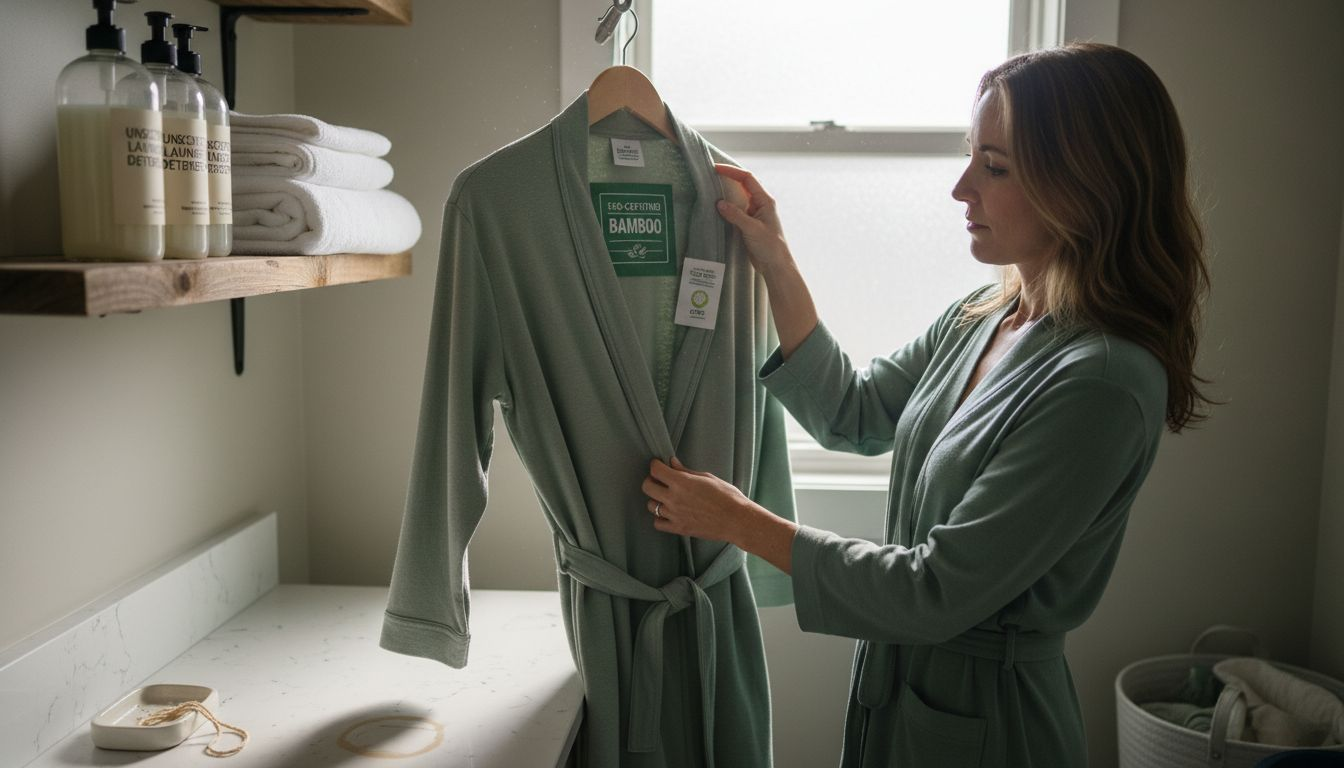
Here is a summary of recommended hypoallergenic loungewear fabric options and their unique properties:
| Fabric Type | Special Benefit | Comfort Level | Eco Impact |
|---|---|---|---|
| Organic Cotton | Gentle on skin, breathable | Very soft | High sustainability |
| Hemp | Antimicrobial properties | Durable, light | Minimal water usage |
| Organic Linen | Regulates body temperature | Cool, crisp | Biodegradable |
| Recycled Wool | Moisture-wicking ability | Warm, cozy | Supports recycling |
| Bamboo (organic) | Naturally soft, smooth | Silky feel | Variable (if organic) |
Pro tip: Always perform a patch test with new fabrics and wash them before first use to remove any residual manufacturing chemicals.
Key Features of Allergen-Safe Textiles
Identifying allergen-safe textiles requires a comprehensive understanding of the potential chemical risks embedded in fabric manufacturing. Textile contact dermatitis stems from numerous hidden chemical additives that can trigger severe skin reactions, making careful selection crucial for families with sensitive skin.
Key characteristics of truly allergen-safe textiles include:
- Absence of harmful chemical additives
- Minimal processing with natural treatments
- Certified organic fiber sourcing
- Low chemical residue content
- Transparent manufacturing processes
The most significant allergens in textiles typically originate from multiple sources. Metal ions like nickel, flame retardants, rubber accelerators, and synthetic dyes can all contribute to potential skin irritation. Global organic textile standards provide rigorous certification processes that help consumers identify fabrics with reduced allergenic potential.
Manufacturers committed to producing allergen-safe textiles must implement stringent quality control measures. This involves eliminating synthetic pesticides, avoiding formaldehyde resins, and ensuring comprehensive testing throughout the production cycle. The goal is creating textiles that protect sensitive skin while maintaining comfort and durability.
This table highlights key allergen sources and how safe textiles help reduce exposure:
| Allergen Source | Common Textile Risk | Safe Textile Solution |
|---|---|---|
| Chemical additives | Contact dermatitis | Certified organic fabrics |
| Metal (nickel) | Skin irritation | Avoid metal-based dyes |
| Flame retardants | Respiratory issues | Natural fiber alternatives |
| Synthetic dyes | Allergic skin reactions | Low-reactivity colorants |
Pro tip: Request certification documentation from textile manufacturers and perform personal patch tests before extended wear to ensure individual skin compatibility.
Hidden Risks and Labeling Misconceptions
Consumers navigating the world of hypoallergenic products often encounter a minefield of misleading marketing claims. Hypoallergenic marketing claims reveal a critical truth: the term lacks federal regulation, meaning manufacturers can use the label without substantive scientific backing.
The most significant misconceptions surrounding hypoallergenic labeling include:
- No standardized legal definition exists
- Labels do not guarantee allergen absence
- Marketing claims are often unverified
- Independent testing is rarely mandatory
- Consumer protection is minimal
Misleading product claims frequently result in consumer confusion and potential health risks. Some products marketed as hypoallergenic may actually contain common allergens, creating a false sense of safety for individuals with sensitive skin or respiratory conditions.
To protect themselves, consumers must become critical label readers. This means looking beyond marketing language and seeking products with credible certifications from recognized medical or scientific organizations. Reputable certifications like the asthma & allergy friendly® mark involve rigorous scientific testing that provides genuine assurance of reduced allergenic potential.
Pro tip: Always request detailed ingredient lists and independent certification documentation before purchasing products marketed as hypoallergenic.
Choosing and Caring for Safe Fabrics
Selecting and maintaining hypoallergenic fabrics requires a strategic approach that goes beyond simple material selection. Hypoallergenic bedding care involves careful consideration of washing techniques, fabric types, and ongoing maintenance to minimize potential allergenic risks.
Key strategies for choosing and protecting safe fabrics include:
- Select tightly woven synthetic or natural materials
- Use dust-mite-proof protective covers
- Wash fabrics weekly in hot water (130°F minimum)
- Avoid wool and feather-based materials
- Choose synthetic pillow and mattress materials
- Use gentle, fragrance-free detergents
Allergen-safe fabric maintenance requires understanding how different materials interact with potential irritants. Synthetic fabrics often provide superior protection against dust mites and allergens compared to natural fibers, making them an excellent choice for families with sensitive skin or respiratory conditions.
Proper fabric care extends beyond washing. Thorough drying, avoiding fabric softeners with harsh chemicals, and using hypoallergenic covers can significantly reduce the risk of allergen accumulation. Families should develop a consistent cleaning routine that prioritizes high-temperature washing and complete fabric drying to maintain the protective qualities of their textiles.
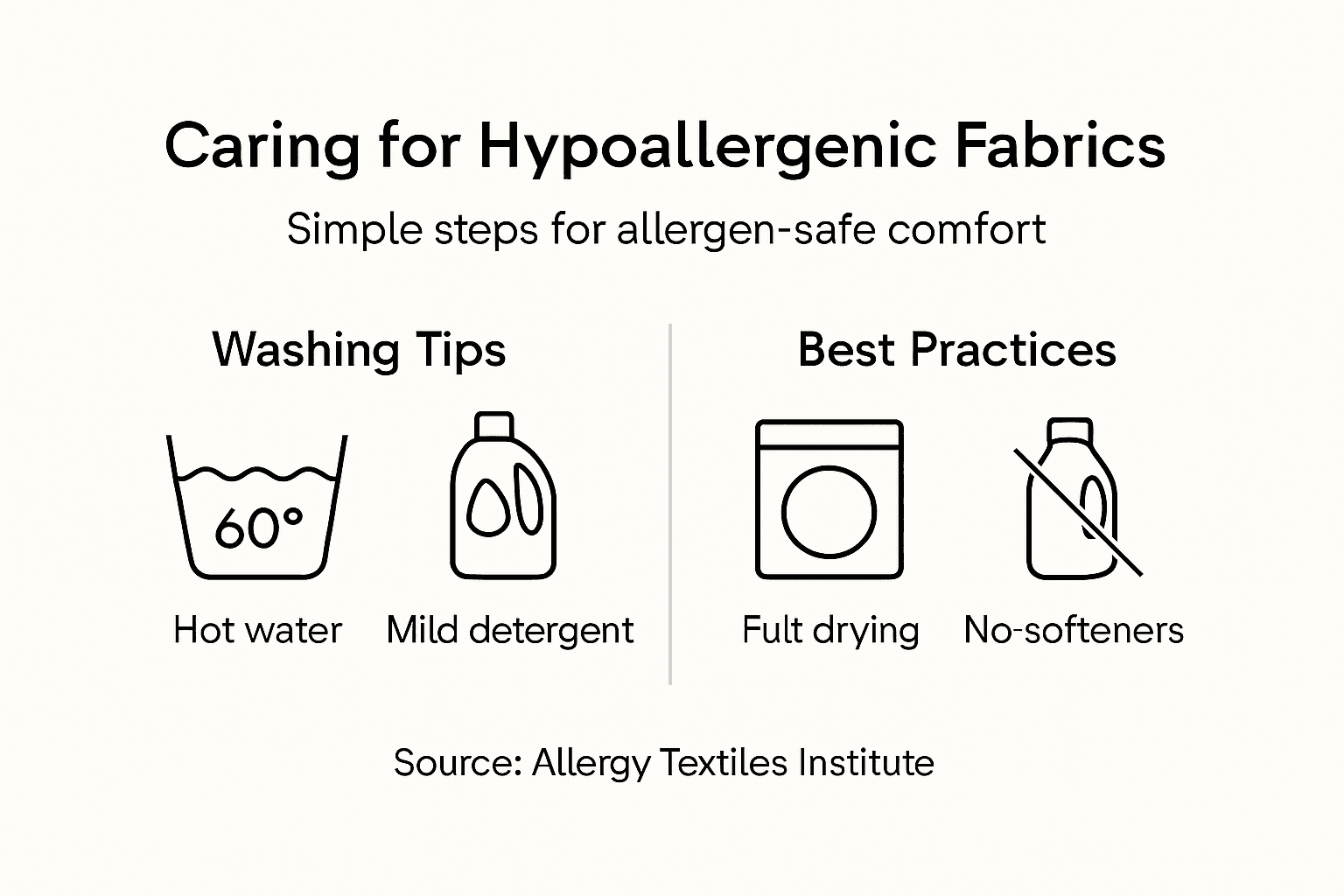
Pro tip: Invest in a digital thermometer to ensure your washing water reaches the minimum 130°F temperature required to effectively eliminate dust mites and allergens.
Experience Safer Comfort with Loungewear from Lotus Linen
Choosing truly hypoallergenic fabrics is essential for families who want to protect sensitive skin from allergens like dust mites, chemical residues, and irritating dyes. The challenge lies in finding loungewear and bath essentials that combine comfort with genuine safety and transparency. At Lotus Linen, we understand this need for quality materials that minimize allergic reactions while offering plush softness and stylish design.
Our collection includes robes, towels, and spa accessories in several materials and constructions. Check each product page for exact fabric and care details. Each product reflects a commitment to comfort without compromise so you can confidently enjoy luxurious softness with your loved ones. We prioritize safety by avoiding harmful chemicals and embracing gentle, breathable textiles that care for delicate skin.
Discover how comfort, safety, and elegance come together at Lotus Linen.

Take the first step toward allergen-safe relaxation and elevate your family’s wellness routine today. Explore plush robe styles for men, women, and kids. Act now to protect sensitive skin while indulging in premium softness you can trust.
Frequently Asked Questions
What are hypoallergenic fabrics?
Hypoallergenic fabrics are specially designed textiles that minimize the risk of allergic reactions for individuals with sensitive skin by reducing chemical treatments and irritants.
How do I choose the best hypoallergenic fabric for my family?
When selecting hypoallergenic fabrics, look for natural fibers like organic cotton, hemp, or linen, as they are less likely to cause skin irritation. Consider the fabric’s processing and any potential chemical residues.
How should I care for hypoallergenic fabrics?
To maintain hypoallergenic fabrics, wash them weekly in hot water (at least 130°F) and use gentle, fragrance-free detergents. Proper drying and avoiding fabric softeners with harsh chemicals are also important for reducing allergens.
Are all hypoallergenic fabrics truly allergen-free?
Not all fabrics labeled as hypoallergenic are completely free from allergens. The term lacks standard regulation, so it’s essential to look for certified organic fabrics and conduct patch tests to ensure compatibility with sensitive skin.
Recommended
- 7 Expert Tips for Smart Children’s Towel Choices – Lotus Linen
- Oeko-Tex Certification: Ensuring Safe, Luxe Textiles – Lotus Linen
- 7 Sustainable Bath Linen Options for Eco-Conscious Living – Lotus Linen
- Choosing Fabrics for Allergies – Safe Comfort for Kids – Lotus Linen
- Best Workwear for Hot Weather: Stay Cool & Protected in 2025 - WorkWear Comfort
- 10 best bamboo underwear for sensitive skin
- Comfortshield premium protective bed sheet | Realhealtyhaven – Real Healthy Haven

