
Every parent faces that moment when a favorite pajama set leads to unexpected itchiness or red patches on their child’s skin. In busy American cities, finding bath and loungewear that balances both style and safety can feel daunting. When common fabrics hide chemical additives or dyes that spark allergic reactions, health-conscious families turn to hypoallergenic materials for clothing solutions that help protect sensitive skin and bring peace of mind.
Table of Contents
- Allergy Triggers In Common Fabrics
- Hypoallergenic Fabric Types And Benefits
- How Fabric Construction Affects Allergies
- Best Practices For Fabric Care And Maintenance
- Avoiding Common Mistakes In Fabric Selection
Key Takeaways
| Point | Details |
|---|---|
| Understand Allergens | Familiarize yourself with common fabric allergens like synthetic additives, formaldehyde, and metal fasteners to protect children with sensitive skin. |
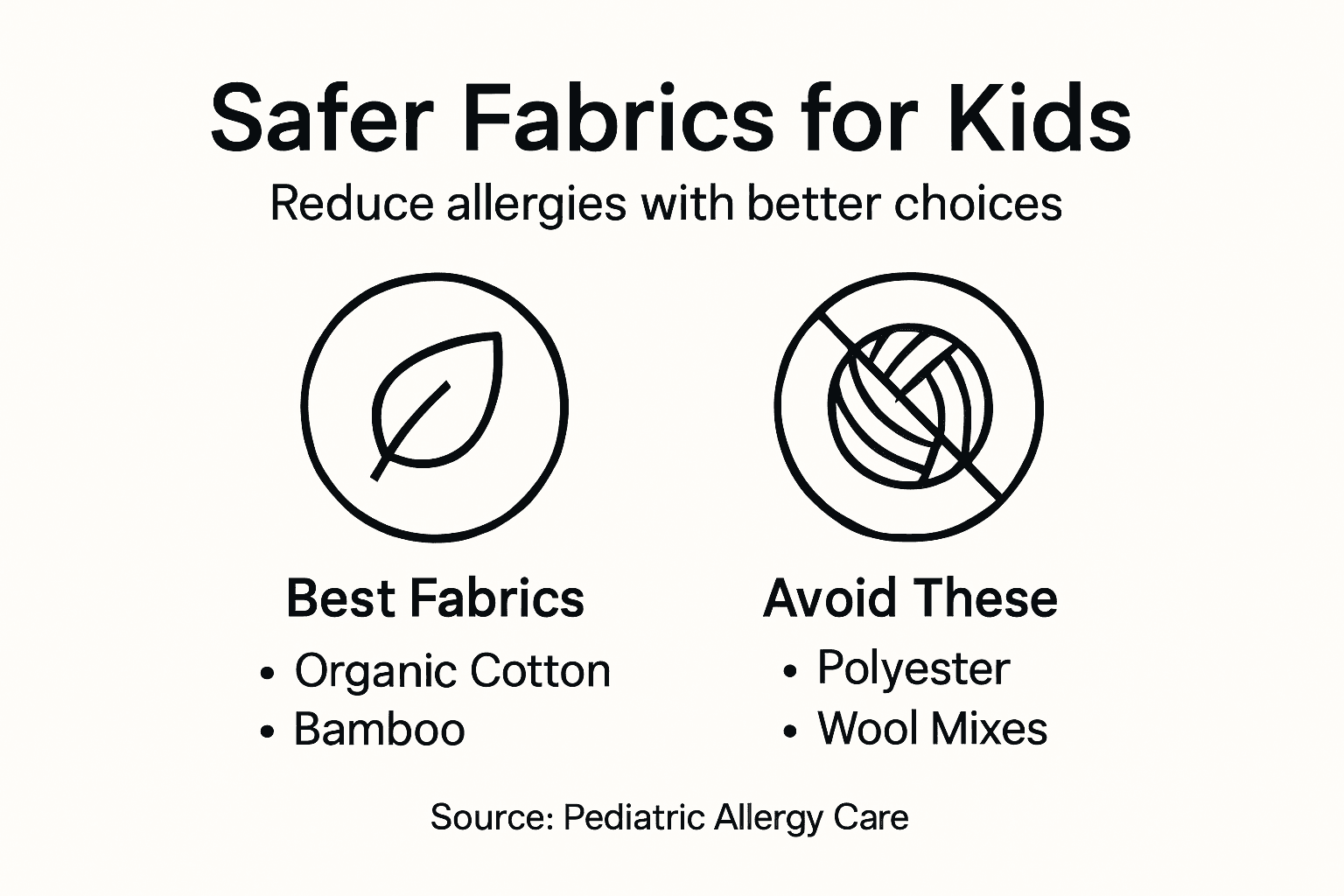
| Choose Hypoallergenic Fabrics | Prioritize clothing made from natural fibers such as organic cotton and bamboo to minimize allergic reactions. |
| Practice Proper Fabric Care | Wash new clothing with mild, fragrance-free detergents and store fabrics properly to reduce allergen exposure. |
| Avoid Common Mistakes | Research fabric compositions and ask about manufacturing processes to ensure informed choices in children’s clothing. |
Allergy Triggers in Common Fabrics
Parents seeking safe clothing for children need to understand the hidden allergens lurking in everyday fabrics. Textile contact dermatitis represents a complex skin reaction triggered by seemingly innocent clothing materials. Chemical additives used during fabric processing can transform comfortable garments into potential health hazards.
Common fabric allergens include several critical triggers that parents should recognize:
- Synthetic chemical additives
- Formaldehyde resins
- Disperse dyes
- Metal fasteners containing nickel
- Flame retardant chemicals
- Tanning agents and glues
These substances interact with skin through direct contact, potentially causing immediate or delayed allergic responses. Allergic reactions in fabrics can manifest through multiple symptoms including skin irritation, redness, scaling, and persistent itchiness. Children with sensitive skin are particularly vulnerable to these textile-based allergens.
Understanding fabric composition becomes crucial for parents managing potential allergic risks. Natural fibers like organic cotton and bamboo often present lower allergen risks compared to synthetic materials processed with complex chemical treatments. Parents should prioritize clothing made from minimally processed, hypoallergenic materials that reduce potential skin reactions.
Here is a quick comparison of common fabric allergens and their typical sources:
| Allergen Source | Common Fabric or Component | Typical Impact on Skin |
|---|---|---|
| Formaldehyde Resin | Easy-care synthetic garments | May cause redness and itching |
| Disperse Dyes | Vibrant polyester, nylon, acetate | Frequent irritant for children |
| Nickel in Fasteners | Snaps, zippers, decorative studs | Localized rashes and blisters |
| Flame Retardant Chemicals | Pajamas, children’s clothing | Can trigger persistent itching |
| Tanning Agents/Glues | Leather patches, appliqués | Possible eczema flare-ups |
Pro tip: Always wash new clothing items before wearing to remove residual manufacturing chemicals and reduce potential allergic triggers.
Hypoallergenic Fabric Types and Benefits
Hypoallergenic materials represent a critical solution for families managing fabric-related allergies, offering specialized textiles designed to minimize adverse skin reactions. These fabrics are carefully engineered to reduce potential irritants, providing a safer clothing option for individuals with sensitive skin or known allergic tendencies.
Key hypoallergenic fabric types include:
-
Organic Cotton
- Grown without synthetic pesticides
- Minimally processed
- Naturally soft and breathable
-
Bamboo Fiber
- Naturally antimicrobial
- Moisture-wicking properties
- Sustainable production
-
Silk
- Naturally hypoallergenic
- Smooth protein-based fiber
- Gentle on sensitive skin
-
Modal
- Derived from natural wood pulp
- Extremely soft texture
- Resistant to bacterial growth
Hypoallergenic bedding techniques demonstrate how specialized fabrics can create protective barriers against common allergens. These materials are tightly woven to prevent dust mites, pet dander, and other microscopic irritants from penetrating the fabric surface, thereby reducing potential allergic triggers.
Parents and individuals with allergy concerns should prioritize fabric selection based on material composition, manufacturing process, and potential chemical treatments. Natural fibers processed with minimal chemical interventions typically offer the lowest risk of triggering allergic responses, making them an ideal choice for sensitive skin.
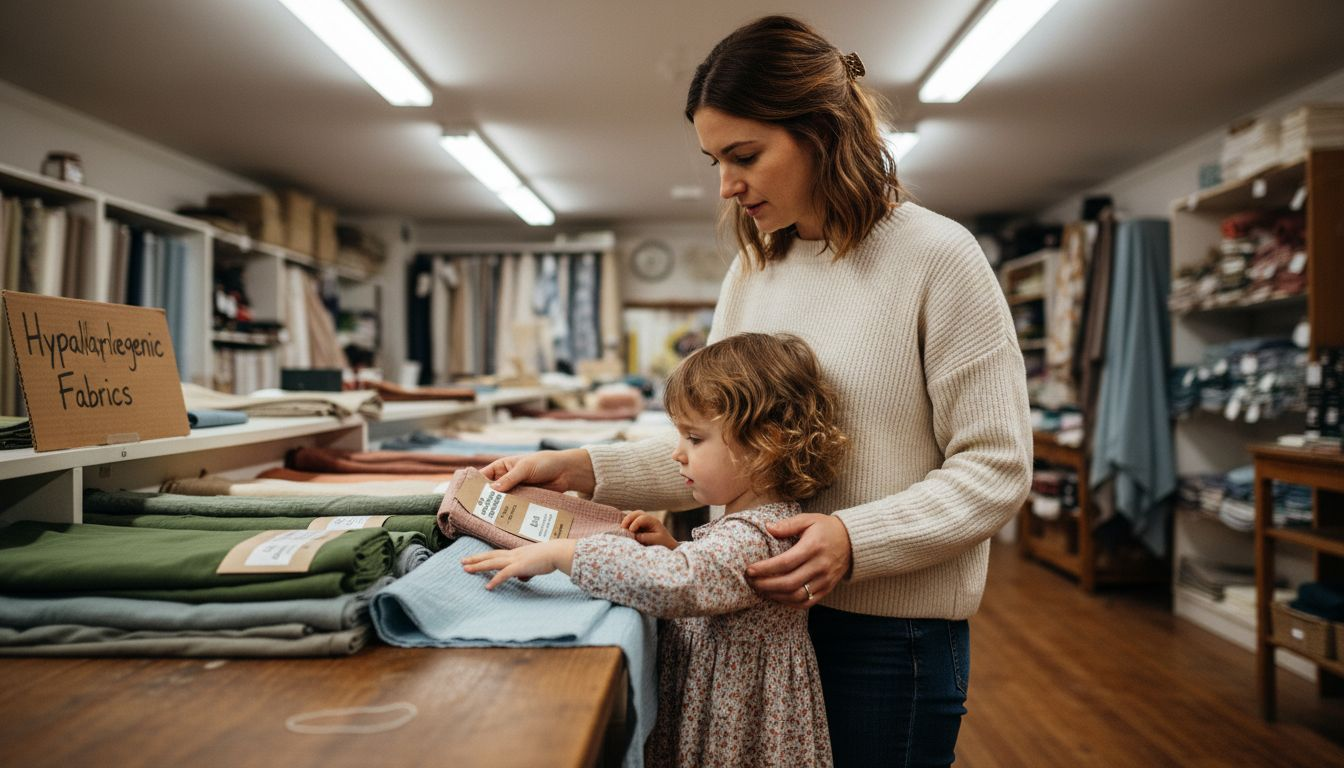
This table compares the advantages of leading hypoallergenic fabrics for sensitive skin:
| Fabric Type | Key Advantage | Sustainability |
|---|---|---|
| Organic Cotton | Lowest skin irritation risk | High—eco-friendly farming |
| Bamboo Fiber | Antimicrobial & cooling | Strong—renewable source |
| Silk | Smoothest texture | Moderate—natural origin |
| Modal | Soft and resistant to bacteria | Good—biodegradable |
Pro tip: Always select fabrics labeled “organic” or “hypoallergenic” and wash new items in fragrance-free, dye-free detergents to further reduce potential skin irritants.
How Fabric Construction Affects Allergies
Textile contact dermatitis reveals how fabric construction plays a critical role in triggering or preventing allergic reactions. The intricate process of weaving, treating, and finishing fabrics directly impacts their potential to cause skin irritation, making fabric selection a crucial consideration for allergy-sensitive individuals.
Key fabric construction factors that influence allergic responses include:
-
Weave Density
- Tightly woven fabrics create better allergen barriers
- Reduces penetration of dust mites and microscopic irritants
- Minimizes direct skin contact with potential triggers
-
Fiber Treatment
- Chemical finishing processes can introduce allergens
- Wrinkle-resistant treatments may increase skin sensitivity
- Natural, minimally processed fibers reduce reaction risks
-
Moisture Absorption
- Synthetic fibers trap moisture against skin
- Increased humidity creates breeding ground for allergens
- Natural fibers provide better moisture management
Latex product construction demonstrates how material composition directly impacts allergenic potential. Some fabrics, particularly those containing natural rubber latex, can release proteins that trigger immediate allergic responses. Synthetic alternatives like nitrile offer safer options for individuals with heightened sensitivity.
The interaction between fabric surface, skin friction, and chemical treatments creates a complex allergenic environment. Moisture, heat, and prolonged contact can exacerbate potential reactions, making it essential for parents to carefully evaluate clothing materials beyond their initial appearance or marketing claims.
Pro tip: Conduct a patch test with new fabrics by wearing a small sample against skin for 24 hours to check for potential allergic reactions before full garment use.
Best Practices for Fabric Care and Maintenance
Managing fabric care requires strategic approaches to minimize allergen exposure and protect sensitive skin. Textile contact dermatitis prevention begins with understanding how proper washing techniques can dramatically reduce potential allergic triggers in clothing and bedding.
Key fabric maintenance strategies include:
-
Washing Techniques
- Always wash new clothing before first wear
- Use mild, fragrance-free detergents
- Select hot water settings (130°F or higher)
- Rinse thoroughly to remove chemical residues
-
Storage Considerations
- Keep fabrics in clean, dry environments
- Use dust-proof covers for bedding
- Minimize fabric clutter in living spaces
-
Cleaning Protocols
- Launder bedding weekly in hot water
- Avoid fabric softeners with chemical additives
- Use hypoallergenic cleaning products
Environmental allergy management emphasizes the importance of creating a comprehensive approach to fabric care. Regular cleaning, strategic washing, and mindful storage can significantly reduce allergen accumulation in household textiles.
Parents should develop a systematic approach to fabric maintenance, treating each textile as a potential source of allergen exposure. This means understanding fabric composition, implementing rigorous cleaning protocols, and being vigilant about potential irritants that can accumulate over time.
Pro tip: Invest in a high-quality, hypoallergenic laundry detergent specifically designed for sensitive skin, and always do a patch test with new cleaning products.
Avoiding Common Mistakes in Fabric Selection
Textile contact dermatitis often stems from uninformed fabric choices that expose children to potential allergens. Understanding the nuanced landscape of fabric selection requires parents to look beyond surface appearances and delve into the complex world of textile processing and chemical treatments.
Critical mistakes parents frequently make include:
-
Chemical Additive Risks
- Overlooking formaldehyde resin treatments
- Ignoring azo dye potential
- Purchasing fabrics without understanding chemical composition
-
Fabric Type Misconceptions
- Assuming all natural fibers are hypoallergenic
- Selecting synthetic materials without researching allergen potential
- Neglecting fabric weave and processing methods
-
Care and Maintenance Errors
- Wearing new clothing without pre-washing
- Using harsh detergents with chemical additives
- Storing fabrics in damp or unclean environments
Sustainable fabric selection goes beyond aesthetic considerations, requiring careful evaluation of manufacturing processes. Conventional bamboo viscose, for instance, might involve toxic chemical treatments, whereas organic or lyocell alternatives present safer options for sensitive skin.
Parents must adopt a holistic approach to fabric selection, considering not just immediate comfort but long-term skin health. This means scrutinizing fabric labels, understanding manufacturing processes, and prioritizing minimally processed, organic materials that reduce the risk of allergic reactions.
Pro tip: Always request fabric composition details and manufacturing information before purchasing children’s clothing, and perform a small patch test to check for potential skin reactions.
Choose Safe and Comfortable Fabrics for Your Child’s Sensitive Skin
Finding the right fabrics for children with allergies can feel overwhelming. The article highlights common problems like chemical additives, synthetic dyes, and itchy fasteners that cause skin irritation and allergic reactions. You want to protect your child from these triggers with clothing and loungewear made from hypoallergenic, soft materials that ensure both safety and comfort.
At Lotus Linen, we understand how critical fabric choice is for sensitive skin and allergies. Our collection includes plush and waffle robes crafted with gentle fabrics that minimize allergic risks and feel soothing on delicate skin. Explore our range designed for the whole family that prioritizes natural softness and chemical-free processing.
Discover safe, stylish robes for kids and adults that support your commitment to healthy skin.

Protect your loved ones with hypoallergenic bath and loungewear from Lotus Linen today. Visit our website and choose comfort that cares for sensitive skin. Start now to experience safe, allergy-friendly garments made for your family’s wellness.
Frequently Asked Questions
What fabrics are safe for kids with allergies?
Natural fibers like organic cotton and bamboo are generally safer for children with allergies. They are less likely to contain harmful chemical additives and allergens compared to synthetic fabrics.
How can I reduce allergic reactions from clothing?
To minimize allergic reactions, always wash new clothing before wearing to remove any residual chemicals. Opt for fabrics labeled as hypoallergenic and use fragrance-free, dye-free detergents during washing.
What symptoms indicate an allergic reaction to fabric?
Symptoms of an allergic reaction to fabric may include skin irritation, redness, scaling, or persistent itchiness. If your child experiences any of these symptoms, consider evaluating the fabric’s composition.
What should I consider when choosing hypoallergenic fabrics?
When selecting hypoallergenic fabrics, consider the material composition, the manufacturing process, and any chemical treatments. Fabrics that are minimally processed and labeled as organic typically present lower allergen risks.
Recommended
- 7 Expert Tips for Smart Children’s Towel Choices – Lotus Linen
- Oeko-Tex Certification: Ensuring Safe, Luxe Textiles – Lotus Linen
- How to Choose a Perfect Robe Fit for Growing Kids – Lotus Linen
- 7 Sustainable Bath Linen Options for Eco-Conscious Living – Lotus Linen
- Supporting Employees with Allergies During the Dry Season

