
Every parent faces that moment when choosing safe products for family hygiene feels like a challenge. For health-conscious American families, even everyday bath accessories can trigger unexpected skin flare-ups or allergy symptoms. With over 40 percent of children now experiencing sensitive skin or allergies worldwide, understanding which materials and certifications matter makes all the difference in creating a comfortable, worry-free routine. Discover how to recognize truly allergy-friendly options and make smarter choices for your family’s well-being.
Table of Contents
- What Makes Bath Accessories Allergy Friendly
- Types of Hypoallergenic Bath Accessories
- Key Materials and Safety Certifications
- Benefits for Families With Allergies
- How to Avoid Common Allergen Triggers
Key Takeaways
| Point | Details |
|---|---|
| Allergy Friendly Products | Allergy friendly bath accessories are designed to minimize allergic reactions using hypoallergenic materials and avoiding irritants. |
| Importance of Certifications | Look for certifications such as the Asthma & Allergy Friendly® certification to ensure product safety and effectiveness. |
| Moisture Management | Maintain proper ventilation and ensure bath accessories are dry to prevent mold and dust mite growth. |
| Personal Testing | Always perform patch tests with new products to confirm personal skin compatibility, even with hypoallergenic items. |
What Makes Bath Accessories Allergy Friendly
Allergy friendly bath accessories represent a specialized category of products designed to minimize potential allergic reactions and skin sensitivities. The Asthma & Allergy Friendly® Certification Program defines these items as independently tested products that meet strict scientific standards aimed at reducing allergens and irritants in household environments.
These specialized bath accessories focus on eliminating common triggers that might cause allergic responses. Key characteristics include using hypoallergenic materials, avoiding harsh chemical additives, and implementing manufacturing processes that minimize exposure to potential irritants. By carefully selecting textiles, dyes, and production methods, manufacturers can create bath products that significantly reduce the risk of skin reactions for individuals with sensitive skin.
Specifically, allergy friendly bath accessories address multiple potential irritation sources. Dermatological research highlights that common problematic ingredients include synthetic fragrances, harsh preservatives, and certain textile dyes. Successful allergy friendly products strategically remove or minimize these components, replacing them with gentler alternatives that maintain product quality while protecting skin health.
Pro Tip: Always perform a patch test with new bath accessories, even those labeled hypoallergenic, to ensure personal skin compatibility.
Types of Hypoallergenic Bath Accessories
Hypoallergenic materials represent a specialized category of bath accessories engineered to minimize potential allergic reactions and skin sensitivities. These products are carefully designed to reduce exposure to common irritants, offering safer alternatives for individuals with delicate skin or known allergies. From towels and bath mats to shower curtains and personal care tools, hypoallergenic bath accessories provide a comprehensive approach to creating a safer bathing environment.
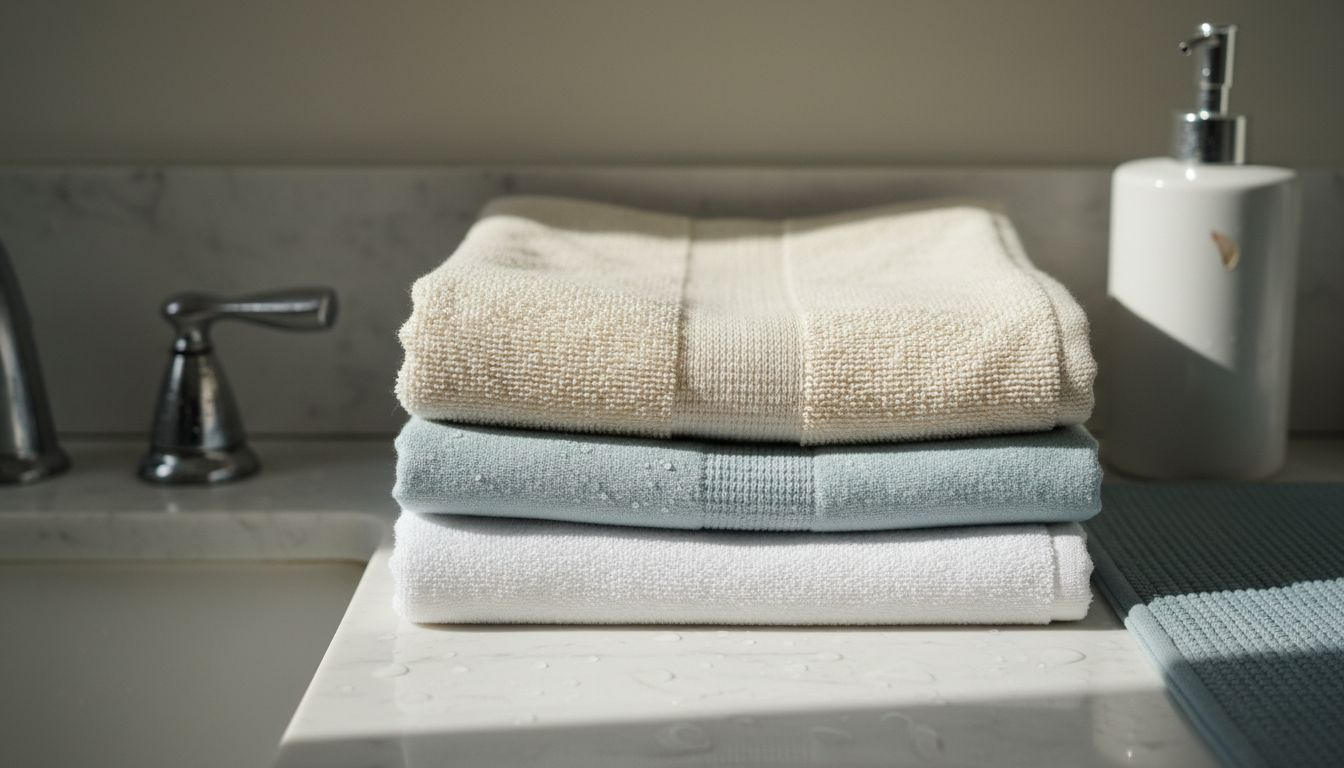
The range of hypoallergenic bath accessories includes several distinct categories. Textile-based products like microfiber towels, organic cotton bath linens, and specially treated fabrics form the core of allergy-friendly options. These materials undergo rigorous processing to eliminate potential allergens, using techniques that minimize dust mite accumulation and reduce chemical treatments. Specialized bath accessories from the Soap Guild further expand this range to include unscented sponges, fragrance-free cleaning tools, and carefully formulated personal care items that prioritize skin sensitivity.
Beyond textiles, hypoallergenic bath accessories also encompass ceramic and synthetic materials engineered to resist allergen buildup. Shower curtains made from anti-microbial materials, bath mats with moisture-resistant properties, and carefully designed bath tools can significantly reduce potential triggers for allergic reactions. These innovative products incorporate advanced manufacturing techniques that create barriers against dust mites, mold, and other common household allergens.
Pro Tip: When selecting hypoallergenic bath accessories, always check for third-party certifications and conduct a personal patch test to ensure maximum skin compatibility.
Key Materials and Safety Certifications
Allergy-friendly bath accessories rely on carefully selected materials and rigorous safety certifications to protect individuals with sensitive skin. Key materials like organic cotton, bamboo, and advanced synthetic fibers are engineered to minimize potential allergen exposure and create a safer bathing environment. These specialized textiles undergo extensive processing to reduce dust mite accumulation, chemical treatments, and potential irritants.
Safety certifications play a critical role in validating the hypoallergenic properties of bath accessories. The Asthma & Allergy Friendly® certification, awarded by the Asthma and Allergy Foundation of America, represents a gold standard in allergen reduction. This certification ensures that products meet stringent testing criteria, examining factors such as chemical composition, durability, and potential for triggering allergic responses. The ECARF Seal of Quality provides additional international validation, confirming that bath accessories have passed independent testing to minimize allergic reaction risks.
Beyond certifications, manufacturers employ sophisticated techniques to create hypoallergenic materials. Advanced textile technologies involve treatments that create microscopic barriers against allergens, using antimicrobial finishes and specialized weaving techniques. These innovations target common triggers like dust mites, mold spores, and chemical sensitizers, providing an extra layer of protection for individuals with respiratory sensitivities or skin allergies.
The main materials used in allergy-friendly bath accessories vary in benefits and ideal uses:
| Material Type | Allergy Benefit | Common Products |
|---|---|---|
| Organic cotton | Reduces chemical exposure | Towels, washcloths |
| Bamboo fibers | Naturally antimicrobial | Bath mats, linens |
| Advanced synthetics | Resists allergen buildup | Shower curtains, sponges |
| Treated ceramics | Prevents mold, easy cleaning | Soap dishes, cups |
Pro Tip: When purchasing hypoallergenic bath accessories, always look for multiple certification stamps and research the specific material composition to ensure comprehensive allergy protection.
Benefits for Families With Allergies
Allergy management strategies become significantly more effective when families implement comprehensive approaches to reducing environmental triggers. Hypoallergenic bath accessories play a crucial role in creating a safer home environment, particularly for households with members experiencing respiratory sensitivities or skin allergies. By strategically selecting specialized bath linens and accessories, families can dramatically reduce potential allergen exposure during daily hygiene routines.
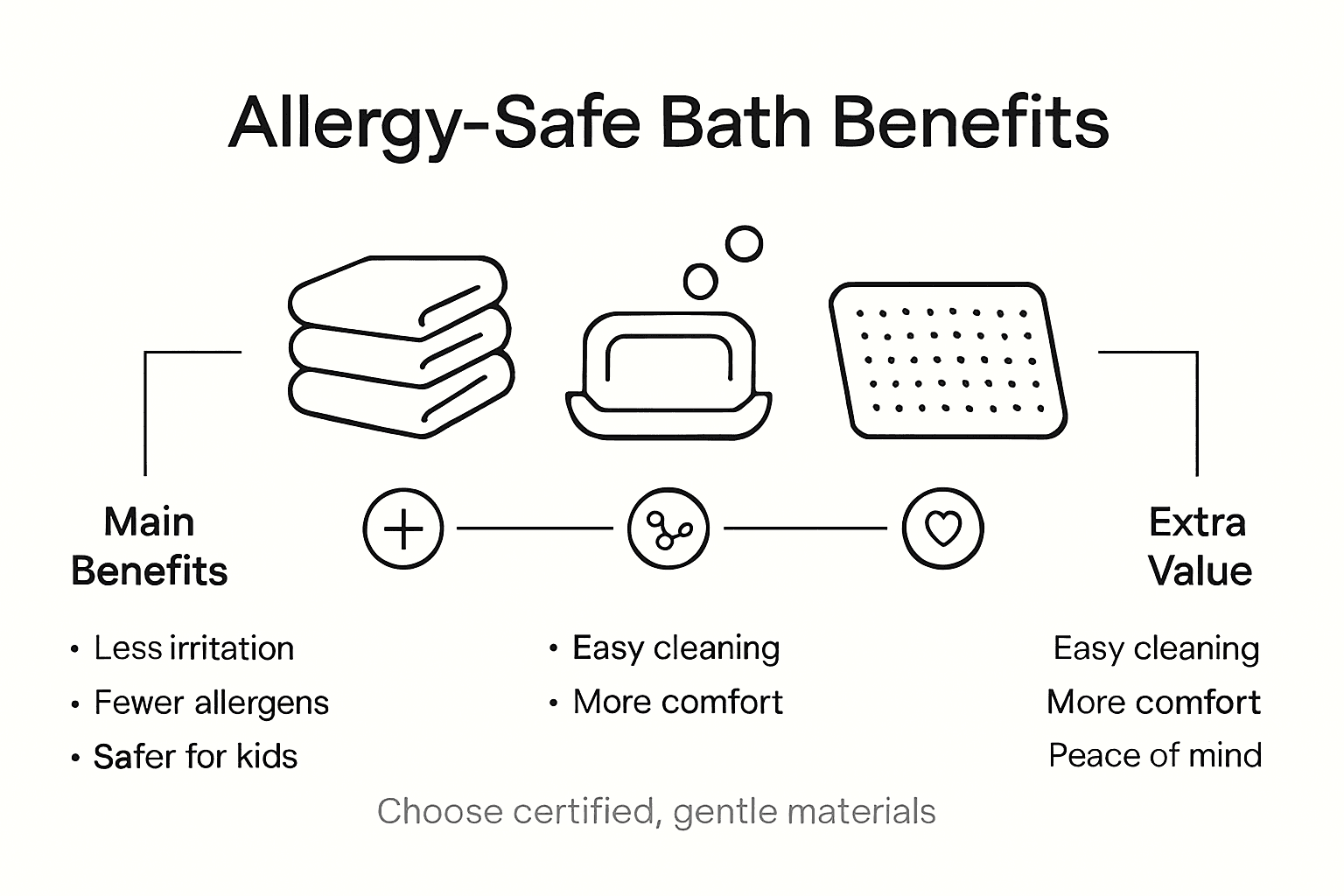
The health benefits of using allergy-friendly bath accessories extend far beyond simple comfort. Medical research from the Mayo Clinic highlights that reducing allergen exposure can significantly decrease the frequency and severity of allergic reactions. These specialized products help minimize contact with common irritants like dust mites, chemical residues, and potential mold spores, creating a protective barrier that supports respiratory and dermatological health for every family member.
For families with children or individuals with compromised immune systems, hypoallergenic bath accessories offer an additional layer of protection. Advanced textile technologies and rigorous certification processes ensure these products meet stringent safety standards, providing peace of mind for parents and caregivers. By investing in carefully selected bath accessories, families can create a more controlled environment that supports overall wellness and reduces the risk of unexpected allergic responses.
Pro Tip: Rotate and regularly wash hypoallergenic bath accessories to maintain their protective properties and maximize allergen reduction effectiveness.
How to Avoid Common Allergen Triggers
Allergen identification in bath accessories requires careful attention to product ingredients and manufacturing processes. Consumers must develop a strategic approach to selecting bath products that minimize potential allergic reactions. Understanding common trigger sources like synthetic fragrances, harsh chemical preservatives, and artificial dyes becomes crucial in creating a safer bathing environment for sensitive individuals.
Moisture management plays a critical role in allergen prevention. Home environmental strategies emphasize controlling bathroom humidity and ensuring thorough drying of bath accessories to prevent mold and dust mite proliferation. This involves maintaining proper ventilation, using moisture-resistant materials, and implementing regular cleaning protocols that target potential allergen accumulation. Specific techniques include using dehumidifiers, running exhaust fans during and after bathing, and allowing bath textiles to fully air dry between uses.
Careful product selection requires reading ingredient labels meticulously and understanding potential sensitizing compounds. Families should prioritize unscented, dye-free products certified by reputable allergy organizations, avoiding terms like ‘hypoallergenic’ that lack strict regulatory definitions. Advanced strategies include performing patch tests with new bath accessories, gradually introducing products, and monitoring individual skin responses to identify potential triggers before widespread use.
Here’s a comparison of allergen avoidance strategies in the bathroom:
| Strategy | Main Focus | Added Benefit |
|---|---|---|
| Ingredient screening | Avoids irritant chemicals | Prevents contact reactions |
| Moisture management | Reduces mold, dust mites | Extends accessory lifespan |
| Certification verification | Confirms safety claims | Increases consumer confidence |
| Patch testing | Checks personal tolerance | Helps identify sensitivities |
| Regular washing | Removes accumulated allergens | Maintains hygiene and safety |
Pro Tip: Maintain a detailed journal tracking bath accessory usage and any allergic reactions to help identify specific trigger sources and develop personalized allergen avoidance strategies.
Elevate Your Family’s Bath Time With Allergy Friendly Comfort
Families facing the challenge of protecting sensitive skin from allergens understand the importance of safe, high quality bath accessories. The article highlights the need for hypoallergenic materials and certified products that reduce exposure to irritants like harsh chemicals and synthetic fragrances. At Lotus Linen, we address this exact concern by offering our premium Scallop Piping Towels | Luxury Cotton Bath Sets designed from gentle, skin-friendly fabrics that prioritize comfort and allergy safety.

Discover how our carefully crafted towel sets can help create a safer bathing environment for your loved ones. Complement your allergy conscious setup with lightweight Spa Slippers for Lightweight that add ease and hygiene to your daily routine. Visit Lotus Linen now to explore our full collection and experience the blend of luxury, safety, and durability. Take action today to protect your family’s health while indulging in lasting comfort and elegance.
Frequently Asked Questions
What are allergy-friendly bath accessories?
Allergy-friendly bath accessories are products designed to minimize allergic reactions and skin sensitivities. They are made from hypoallergenic materials and avoid harsh chemicals, thereby reducing exposure to irritants like dust mites and mold.
How can hypoallergenic bath accessories benefit families with allergies?
Hypoallergenic bath accessories help create a safer bathing environment by reducing potential allergens. They can decrease the frequency and severity of allergic reactions, benefiting individuals with respiratory sensitivities or skin allergies.
What materials are commonly used in allergy-friendly bath accessories?
Common materials include organic cotton, bamboo fibers, and advanced synthetic fabrics. These materials are designed to minimize allergen exposure and are often processed to reduce chemical treatments and dust mite accumulation.
How can I ensure that the bath accessories I choose are truly hypoallergenic?
To ensure bath accessories are truly hypoallergenic, look for third-party certifications like the Asthma & Allergy Friendly® certification. Additionally, check ingredient labels for potential allergens, perform patch tests, and regularly wash the accessories to maintain their protective properties.

