
Choosing truly premium linen can feel daunting when over eighty percent of American shoppers cannot distinguish high-quality linen from lookalike blends. For eco-conscious women in North America and Europe, relying on genuine premium linen is more than a luxury—it is a statement of sustainability, comfort, and durability. Discover the secrets behind authentic linen and learn how to spot the fabrics that deliver lasting softness, breathability, and certified eco-friendly credentials for every bath and loungewear moment.
Table of Contents
- What Counts As Premium Linen Fabric
- Types Of Linen And Their Distinctions
- Fiber Origin And Certification Matters
- Weave, Texture, And Sensory Indicators
- Common Mistakes When Choosing Linen
- How Premium Linen Impacts Sustainability
Key Takeaways
| Point | Details |
|---|---|
| Premium Linen Quality | Premium linen is made from long-strand flax fibers, offering exceptional durability, breathability, and moisture-wicking properties. |
| Linen Types | Linen varieties differ in fiber length and weight, affecting their suitability for various applications, from apparel to industrial use. |
| Sustainability Benefits | Premium linen production uses less water and pesticides, is fully biodegradable, and supports sustainable textile practices. |
| Certification Importance | Authentic premium linen should be verified through certification processes that ensure quality and ethical production standards. |
What Counts As Premium Linen Fabric
Understanding premium linen requires more than a casual glance. Premium linen represents a superior textile crafted from select long-fiber flax, distinguished by exceptional durability and remarkable performance characteristics. Long cellulose fibers from flax plants create fabrics that are significantly stronger and more resilient than standard textile offerings.
The hallmarks of truly premium linen involve several critical qualities that elevate it above ordinary fabrics. These include fiber length, weave integrity, origin of production, and manufacturing precision. Authentic premium linen originates from European and Asian regions with deep textile traditions, where expert craftsmanship ensures superior fabric production. Manufacturers select only the longest, strongest flax fibers to create textiles that offer remarkable breathability, rapid moisture-wicking, and extraordinary longevity.
Key characteristics that distinguish premium linen include:
- Exclusively long-strand flax fiber composition
- Loose, sophisticated weave pattern
- Hypoallergenic natural properties
- Superior moisture absorption capabilities
- Enhanced durability compared to cotton alternatives
Pro tip: When evaluating linen quality, gently stretch the fabric and observe how quickly it returns to its original shape - premium linen will demonstrate excellent resilience and minimal distortion.
Here’s a quick overview contrasting premium linen with ordinary linen fabric:
| Aspect | Premium Linen | Ordinary Linen | Cotton/Synthetic Blends |
|---|---|---|---|
| Fiber Source | Long-strand flax from Europe/Asia | Short or mixed flax | Cotton or artificial fibers |
| Durability | Exceptional, lasts decades | Moderate, wears faster | Typically less durable |
| Breathability | Maximum airflow, high comfort | Average airflow | May trap heat and moisture |
| Certification | Often third-party verified | Rarely certified | Seldom certified |
Types Of Linen And Their Distinctions
Linen varieties represent a sophisticated spectrum of textiles, each distinguished by unique characteristics that impact their performance and aesthetic appeal. Linen classification extends beyond simple fabric categories, encompassing nuanced differences in fiber length, weave structure, and manufacturing origin.
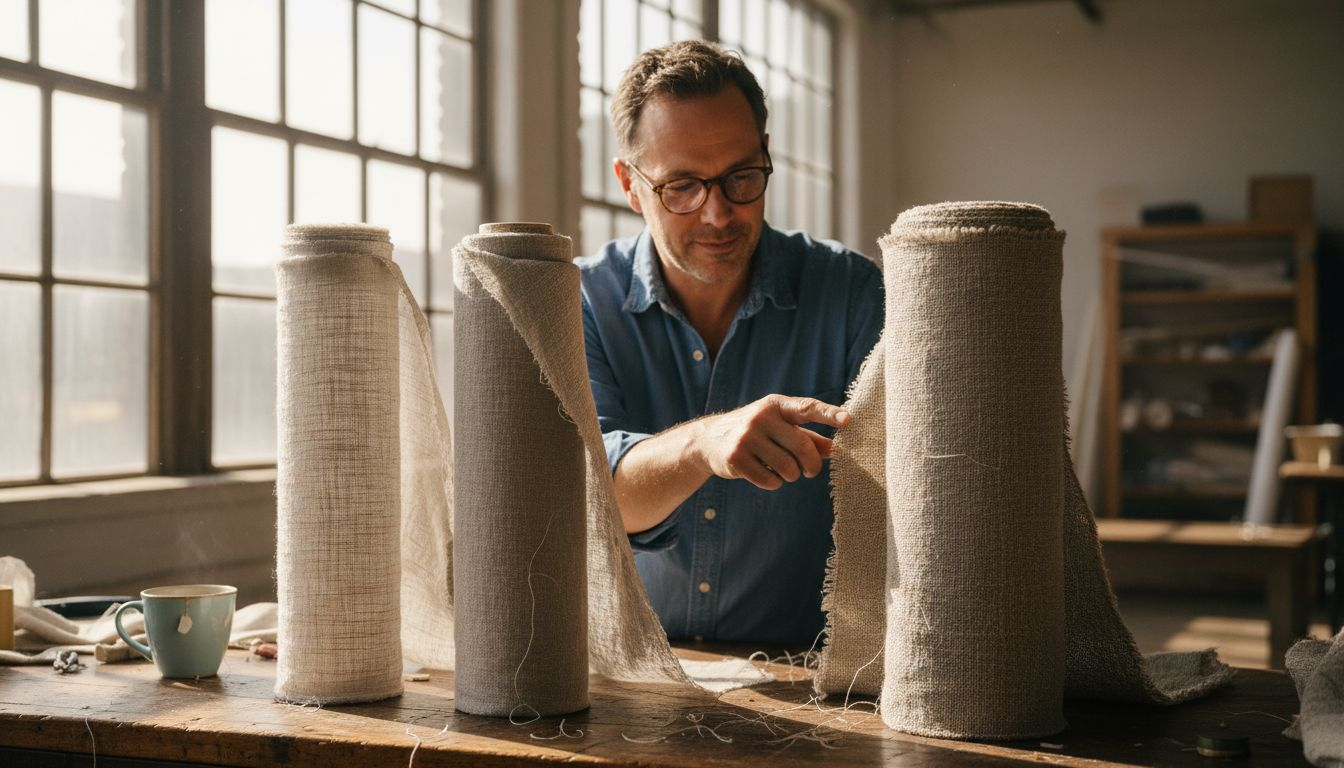
The primary linen types can be comprehensively grouped based on several critical factors. Textile experts recognize distinct categories including fine or portrait linens, medium weight linens, and heavyweight industrial linens. Fine linens are characterized by their delicate, lightweight composition ideal for apparel and decorative applications. Medium weight linens offer remarkable versatility, suitable for garments and home textiles, while heavyweight linens provide exceptional durability for upholstery and industrial purposes.
Key linen distinctions include:
- Fiber Length Categories
- Long-strand premium linens
- Short-fiber blended linens
- Weight Classifications
- Lightweight (fine/portrait)
- Medium weight
- Heavyweight industrial
- Geographic Origins
- European traditional linens
- Belgian specialty linens
- Irish fine linens
Pro tip: When shopping for linen, always examine the fabric’s weight, fiber composition, and weave density to determine its true quality and intended use.
Fiber Origin And Certification Matters
Linen certification represents a critical authentication process that ensures the highest standards of textile production and quality. Fiber identification techniques play a crucial role in distinguishing authentic premium linen from inferior textile alternatives, utilizing microscopic examination to verify the unique morphological characteristics of genuine flax fibers.
Premium linen production predominantly originates in specific European and Asian regions with optimal climate conditions for cultivating exceptional flax plants. The certification process extends beyond simple origin verification, encompassing comprehensive assessments of sustainable farming practices, processing transparency, and fiber quality. Organizations like the Irish Linen Guild maintain rigorous standards that protect the integrity of authentic linen textiles.
Key aspects of linen certification include:
- Microscopic fiber analysis
- Sustainable cultivation verification
- Traceability from farm to fabric
- Ethical production standards
- Geographic origin authentication
Pro tip: Request detailed certification documentation when purchasing high-end linen to ensure you’re investing in a genuinely premium textile with verified origin and quality standards.
Weave, Texture, And Sensory Indicators
Premium linen texture represents a sophisticated interplay of tactile and visual qualities that distinguish exceptional fabrics from ordinary textiles. Sensory experience of linen encompasses a nuanced range of characteristics, from its distinctive cool-to-the-touch sensation to its unique ability to convey both strength and delicacy simultaneously.
Linen weave patterns are fundamentally different from other textile materials, characterized by a deliberately loose architectural structure that enhances breathability and comfort. The fabric’s inherent properties create a natural wrinkling effect that signals authenticity, with a crisp initial feel that progressively softens through repeated wear and washing. This remarkable transformation demonstrates the dynamic nature of high-quality linen textiles.
Key sensory indicators of premium linen include:
- Cool, breathable surface temperature
- Slight natural wrinkling
- Quick moisture-wicking capability
- Hypoallergenic properties
- Varying texture from crisp to soft
- Gentle rough-smooth tactile contrast
Pro tip: Run your hand across the fabric and observe its texture: premium linen will feel substantial yet lightweight, with a distinctive surface that changes subtly when stretched or moved.
Common Mistakes When Choosing Linen
Linen selection demands careful consideration and nuanced understanding to avoid common pitfalls that compromise textile quality. Fabric misidentification remains one of the most significant errors consumers make, often mistaking similar-looking materials for authentic premium linen. Many shoppers inadvertently purchase cotton or synthetic blends marketed as linen, overlooking critical differences in fiber composition, durability, and performance characteristics.
Healthcare and consumer research highlights several critical mistakes that compromise linen quality and long-term value. Consumers frequently neglect essential aspects such as fiber origin, weave integrity, and specialized care requirements. Overlooking these details can lead to premature fabric degradation, reduced comfort, and diminished performance across various applications.
Top mistakes to avoid when choosing linen include:
- Ignoring fiber length and quality
- Confusing linen-like textures with authentic linen
- Skipping origin and certification verification
- Disregarding specialized care instructions
- Prioritizing price over fabric integrity
- Failing to assess weave type and finishing processes
Pro tip: Always request detailed fiber composition documentation and perform a tactile test by gently stretching the fabric to assess its authentic linen characteristics.
How Premium Linen Impacts Sustainability
Sustainable textile production represents a critical environmental imperative, with premium linen emerging as a remarkable solution to reducing ecological footprints. Global textile sustainability research demonstrates that natural fibers like linen significantly outperform synthetic alternatives in environmental conservation, offering a pathway to more responsible consumption.
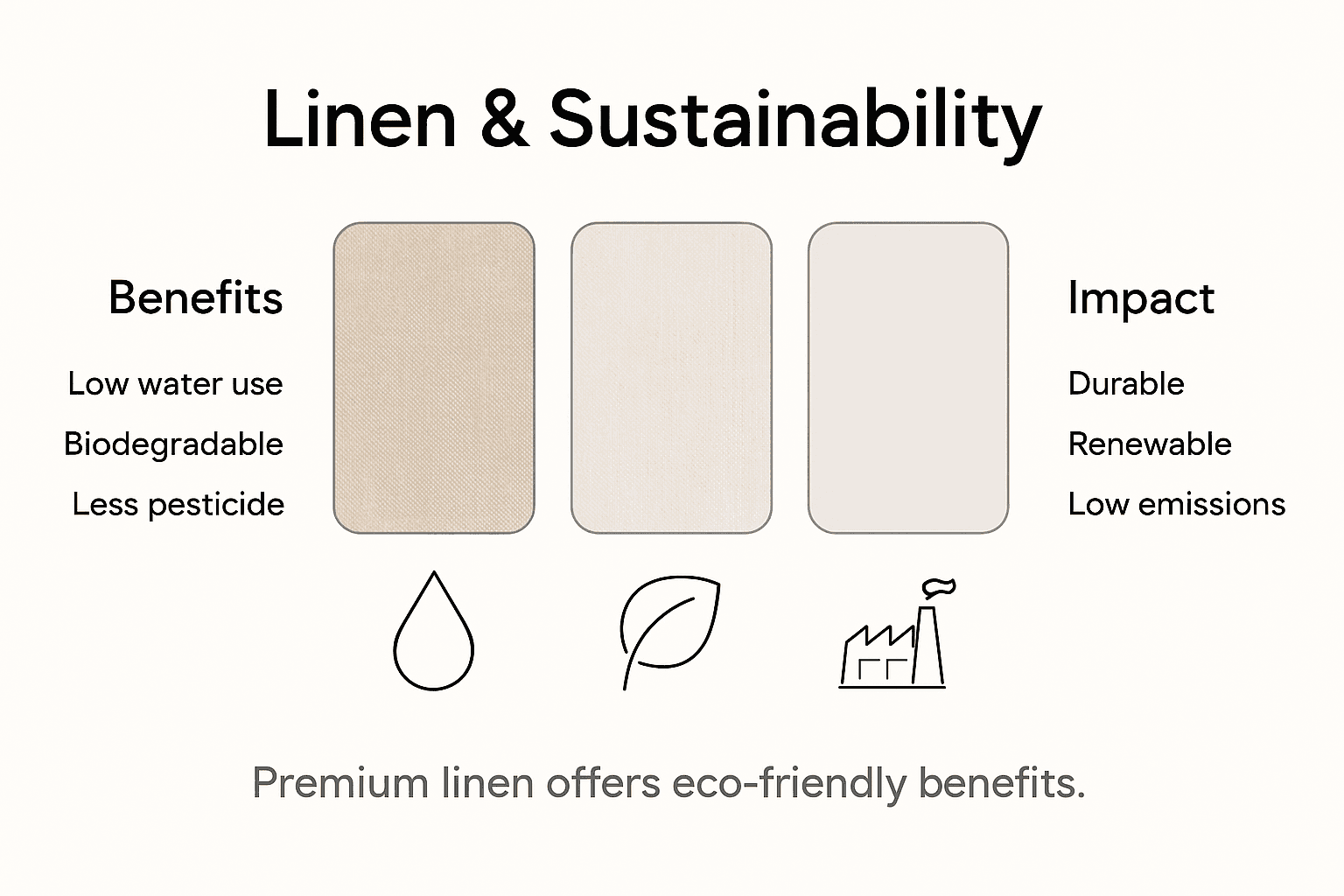
Linen’s ecological advantages stem from its extraordinary cultivation characteristics. Flax plants require substantially less water and pesticides compared to cotton, and premium linen’s inherent durability translates directly into reduced textile waste. The fabric’s natural biodegradability and potential for circular economic models make it a cornerstone of sustainable textile strategies, enabling consumers to make environmentally conscious choices without compromising quality.
Key sustainability benefits of premium linen include:
- Reduced water consumption during production
- Minimal pesticide usage
- Extended garment lifecycle
- Complete biodegradability
- Lower carbon emissions
- Support for circular economy principles
Pro tip: Choose linen products from certified sustainable sources to maximize your positive environmental impact and support responsible textile production.
The table below highlights major sustainability impacts of premium linen versus other textile materials:
| Sustainability Factor | Premium Linen | Cotton | Synthetics |
|---|---|---|---|
| Water Usage | Low requirements | Very high | Minimal, but energy intensive |
| Biodegradability | Fully biodegradable | Biodegradable | Not biodegradable |
| Garment Longevity | Decades, with care | Often a few years | Varies, usually shorter |
| Pesticide Use | Minimal needed | High rates | None, but chemical process |
| Carbon Footprint | Low emissions | Higher emissions | Highest overall |
Discover the True Comfort of Premium Linen in Your Home
Recognizing premium linen means understanding its unique qualities like fiber origin, texture, and durability. If you are looking to experience these essential attributes in your everyday essentials, our collection of Scallop Piping Towels provides a perfect blend of luxury and authentic textile craftsmanship. Each towel is thoughtfully designed to reflect the superior weave and breathability that set premium linen apart from ordinary fabrics.

Elevate your bath routine with fabrics that offer the natural resilience and eco-friendly benefits highlighted in our guide. Explore our elegant Scallop Piping Towel Set or slip into the soft embrace of our Luxury & Affordable Waffle Robes for Men. Visit Lotus Linen today and choose sophisticated linens that deliver lasting comfort and sustainable quality. Don’t wait to transform your daily comfort with linens worthy of your lifestyle.
Frequently Asked Questions
What are the key characteristics of premium linen?
Premium linen is distinguished by its long-strand flax fiber composition, loose weave pattern, hypoallergenic properties, superior moisture absorption, and exceptional durability compared to ordinary linen and cotton alternatives.
How can I assess the quality of linen fabric?
To assess linen quality, gently stretch the fabric and observe its resilience. Premium linen will quickly return to its original shape with minimal distortion. Additionally, check for weight, fiber composition, and weave density for more insights.
What are the different types of linen, and how do they vary?
Linen comes in various types, including fine (lightweight), medium-weight, and heavyweight (industrial) linens. Differences arise from fiber length, weight classifications, and specific uses, impacting performance and aesthetic appeal.
Why is linen certification important?
Linen certification is essential for verifying the authenticity, quality, and sustainable production of linen fabrics. It includes fiber analysis and assessments of ethical practices, ensuring customers receive genuine premium textiles.

