
Roughly 90 percent of American households use their towels far beyond the recommended replacement cycle. Many do not realize how much bacteria and buildup accumulate over time, threatening both cleanliness and comfort. Learning why towel replacement matters and recognizing signs that it is time for a refresh can protect your health and make your daily routines feel cleaner. Discover the smartest towel habits to help every American household enjoy fresher linens.
Table of Contents
- What Are Towel Replacement Cycles
- Differences By Towel Type
- Signs Towels Need Replacing
- Usage And Wash Impact
- Extending Towel Lifespan
Key Takeaways
| Point | Details |
|---|---|
| Towel Replacement Cycle | Replace bath towels approximately every two years, influenced by usage patterns and wear. Regularly inspect for signs of deterioration. |
| Washing Recommendations | Wash towels every three to four uses and employ hot water for effective cleaning while maintaining fabric quality. |
| Signs of Wear | Replace towels displaying reduced absorbency, persistent odors, visible wear, or rough texture to ensure hygiene and comfort. |
| Maximizing Lifespan | Use warm water, mild detergents, proper drying techniques, and a rotation system to extend the longevity of your towels. |
What Are Towel Replacement Cycles
Towel replacement cycles are strategic timelines for rotating and renewing bath towels to maintain optimal hygiene, comfort, and performance. Just like any well-used textile, towels experience wear, accumulate bacteria, and gradually lose their plush texture and absorbency. Understanding these replacement cycles helps you maintain a fresh, clean bathroom environment while protecting your investment in quality linens.
Experts recommend replacing bath towels approximately every two years, with a caveat that wear and usage patterns significantly impact this timeline. According to the Cleveland Clinic’s health guidelines, towels should be washed after three to four uses and completely replaced if they show signs of deterioration such as thinning fabric, persistent odors, or reduced absorption capacity. These recommendations stem from the reality that towels are breeding grounds for bacteria, dead skin cells, and potential microorganisms.
The towel replacement cycle involves several key considerations:
- Frequency of Use: High-traffic bathroom towels might need replacement sooner than guest room towels
- Fabric Quality: Premium cotton and microfiber towels typically last longer than standard terry cloth
- Maintenance Habits: Regular washing, proper drying, and gentle handling can extend a towel’s functional lifespan
- Visual Inspection: Look for signs of wear like fraying edges, thinning material, or persistent stains
While two years serves as a general guideline, personal hygiene standards and individual usage will ultimately determine when it’s time to refresh your towel collection. By staying attentive to your towels’ condition and implementing a proactive replacement strategy, you can ensure a consistently luxurious and sanitary bathing experience.
Differences by Towel Type
Towel replacement and maintenance strategies vary significantly across different towel types, influenced by their specific usage, fabric composition, and exposure to bacteria and moisture. Understanding these nuanced differences is crucial for maintaining optimal hygiene and extending the lifespan of your linens.
According to expert recommendations from the Times of India, different towel categories require distinctly tailored washing and replacement approaches. For instance, high-contact towels like hand towels demand more frequent cleaning (every 1-2 days), while bath towels can typically withstand 3-4 uses before requiring washing.
Specific towel types present unique maintenance challenges:
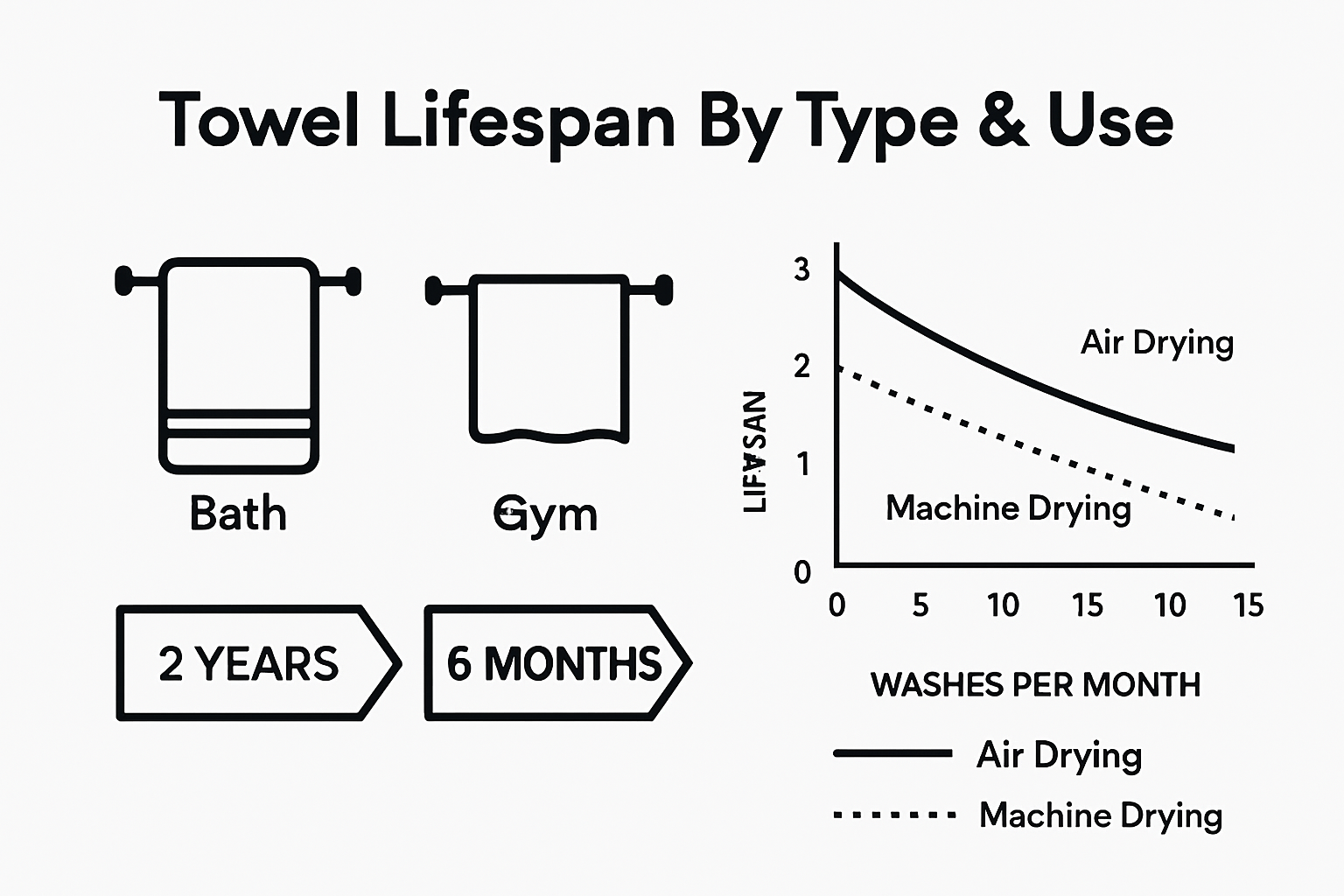
- Bath Towels: General-purpose towels used after showering, requiring replacement every 1-2 years with proper care
- Hand Towels: Highest bacterial accumulation due to frequent use, needing replacement every 6-12 months
- Gym Towels: The Cleveland Clinic emphasizes that these require washing after every single use due to intense exposure to sweat and potential pathogens
- Face Towels: Most delicate category, recommended for daily washing and replacement every 6 months
Fabric composition also plays a critical role in towel replacement cycles. Premium cotton and microfiber towels tend to maintain their integrity longer than standard terry cloth, potentially extending their useful life with meticulous care. Ultimately, individual usage patterns, personal hygiene standards, and visual signs of wear will determine the precise timing for towel replacement across different types.
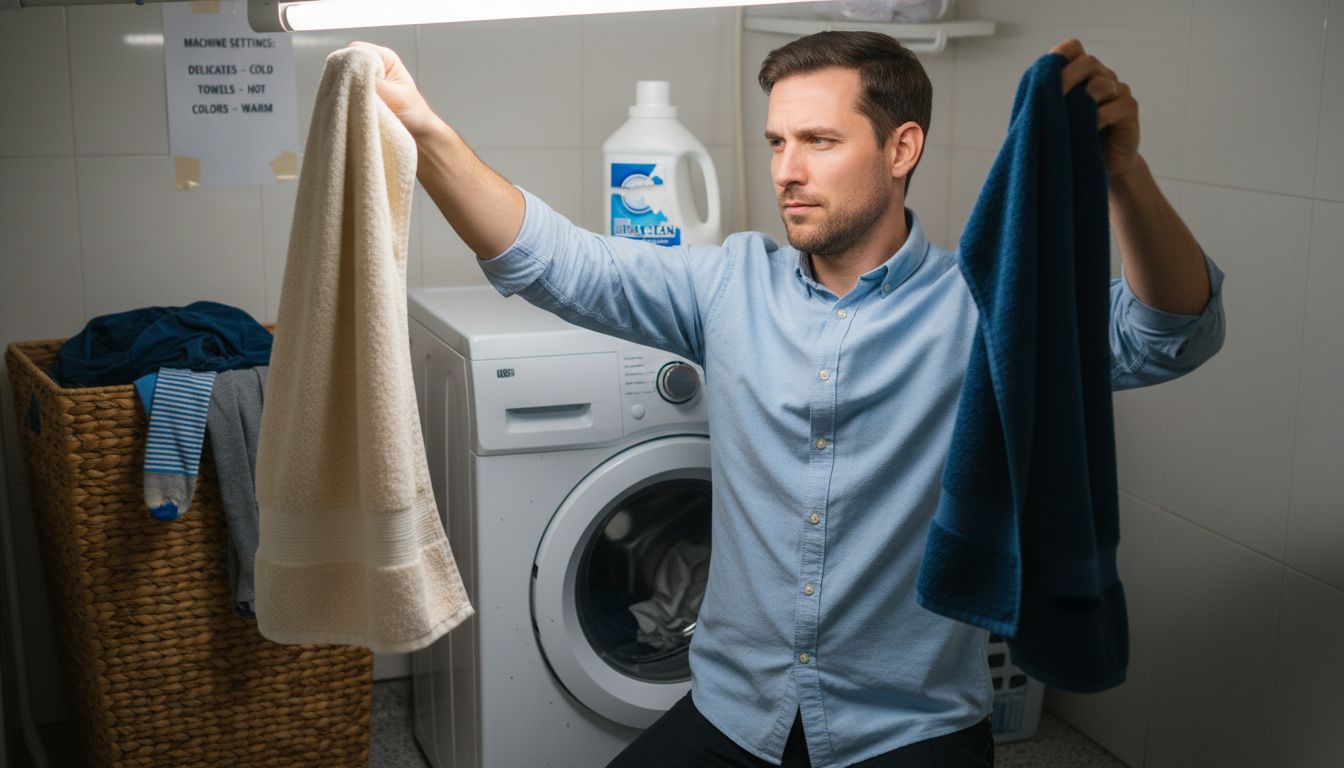
Signs Towels Need Replacing
Recognizing when towels have reached the end of their functional lifecycle is crucial for maintaining personal hygiene and ensuring optimal bathroom comfort. The Cleveland Clinic highlights specific indicators that signal it’s time to retire your current towels, helping you make informed decisions about your linen rotation.
Physical deterioration is the most obvious sign that towels need replacing. Watch for these telltale markers of fabric breakdown:
- Reduced Absorbency: When towels stop effectively soaking up water and seem to just spread moisture around
- Persistent Odors: Musty or sour smells that persist even after washing
- Visible Wear: Fraying edges, thinning fabric, or visible thread disintegration
- Discoloration: Permanent stains or significant color fading
- Rough Texture: Loss of softness, indicating fiber degradation
Bacterial accumulation presents another critical replacement trigger. Towels that have been used extensively develop microscopic colonies of bacteria, mold, and fungi that cannot be completely eliminated through standard washing. This microbial buildup can potentially cause skin irritations, unpleasant odors, and compromise overall personal hygiene.
Choosing high-quality bath towels with durable fibers and implementing a proactive replacement strategy can help mitigate these issues. Regular inspection, proper washing techniques, and timely replacement are key to maintaining a clean, fresh, and comfortable bathing experience.
Usage And Wash Impact
Towel longevity is deeply interconnected with washing frequency, technique, and overall usage patterns. Each time a towel is used and washed, its fibers undergo microscopic stress that gradually impacts its structural integrity and performance characteristics.
The Cleveland Clinic provides critical insights into maintaining towel hygiene and extending their useful life, emphasizing the importance of strategic washing practices. Their recommendations highlight washing towels every three to four uses using hot water, which helps eliminate bacterial accumulation while preserving fabric quality.
Key factors influencing towel degradation include:
- Washing Frequency: Over-washing can accelerate fabric breakdown
- Water Temperature: Extremely hot water can damage textile fibers
- Detergent Type: Harsh chemicals can weaken towel material
- Drying Method: High-heat machine drying causes faster fiber deterioration
- Usage Intensity: Frequent, vigorous use increases wear and tear
Proper towel care involves more than just cleaning. Allowing towels to dry completely between uses, rotating multiple towels, and using gentle washing techniques can significantly extend their lifespan. By understanding the delicate balance between maintaining hygiene and preserving fabric quality, you can maximize the longevity and performance of your bathroom textiles.
Extending Towel Lifespan
Preserving the quality and performance of your towels requires a strategic approach that goes beyond simple washing. Thoughtful maintenance can dramatically extend the functional life of your bathroom textiles, saving money and ensuring continued comfort and absorbency.
Homes and Gardens offers expert guidance on maintaining towel integrity, recommending specific washing techniques that protect textile fibers. Their recommendations include using warm water, selecting gentle detergents, and avoiding fabric softeners that can degrade towel performance over time.
Key strategies for maximizing towel longevity include:
- Proper Washing: Use warm water and mild detergents
- Drying Techniques: Air dry when possible or use low heat settings
- Storage Practices: Ensure complete drying before folding and storing
- Rotation System: Alternate between multiple towel sets to reduce individual wear
- Careful Handling: Avoid excessive wringing or rough treatment
The Cleveland Clinic emphasizes the importance of careful washing practices, noting that proper machine loading and temperature control can significantly impact towel longevity. By implementing these strategic care techniques, you can transform your towels from simple bathroom accessories into long-lasting, high-performing textiles that maintain their softness, absorbency, and hygienic qualities for years to come.
Elevate Your Bathroom Hygiene with Timely Towel Replacement
Understanding towel replacement cycles is essential for maintaining not only hygiene but also the luxurious comfort you deserve every day. When towels lose absorbency, develop odors, or show wear, it is time to refresh your bath linens. At Lotus Linen, we recognize the challenge of balancing cleanliness, durability, and elegance in your everyday routine. Our Scallop Piping Towels | Luxury Cotton Bath Sets offer plush, high-quality materials that stand up to regular use while preserving softness and absorbency.

Experience the difference of towels designed to last longer with diligent care. Start your journey toward a fresher, more inviting bathroom environment today by exploring our premium collection at Lotus Linen. For men who appreciate lightweight style and comfort, our Lightweight Cotton Kimono Bathrobes for Men perfectly complement your hygiene routine. Don’t wait until your towels fail you. Refresh now and enjoy superior luxury and clean living.
Frequently Asked Questions
How often should bath towels be replaced?
Bath towels should generally be replaced every two years, but factors like usage and wear can affect this timeline.
What signs indicate that a towel needs to be replaced?
Signs include reduced absorbency, persistent odors, visible wear like fraying or thinning, discoloration, and a rough texture.
How often should hand towels and gym towels be washed?
Hand towels should be washed every 1-2 days due to high bacterial accumulation, while gym towels should be washed after every single use because of sweat exposure.
What factors can extend the lifespan of towels?
Extending towel lifespan involves proper washing with mild detergents, using low drying heat, storing towels completely dry, rotating towel usage, and avoiding rough handling.
Recommended
- How to Choose Bath Towels: Selecting the Perfect Luxe Towels – Lotus Linen
- What Is Terry Cloth? Guide to Cozy, Stylish Choices 2025 – Lotus Linen
- 7 Luxurious Bathroom Inspirations for Your Oasis – Lotus Linen
- Towel Origin History: Complete Guide to Evolution – Lotus Linen
- Eco Friendly Cleaning Tips For Busy European Mums – The Zoofamily


