
TL;DR:
- A home spa day is a deliberate ritual that combines ambiance, treatment order, and sensory immersion. Proper environment setup, structured treatment sequences, and uninterrupted time are essential for effective relaxation and restoration. Incorporating simple household ingredients and mindful sensory details deepens the experience at minimal cost.
A spa day at home is a deliberately curated experience that combines ambiance, treatment sequence, and sensory immersion to restore your body and mind. Professional spas charge a premium for labor and location, not for products you cannot replicate yourself. A full session runs 2.5 to 4 hours, though even 90 minutes delivers real stress relief when you follow the right structure. The difference between a forgettable bubble bath and a genuinely restorative ritual comes down to three things: environment, order of treatments, and uninterrupted time.
1. Set the atmosphere before anything else
Intentional environment preparation is the single most important step in replicating professional spa benefits at home. Wellness experts are clear on this: the physical setup does more work than any product you apply.
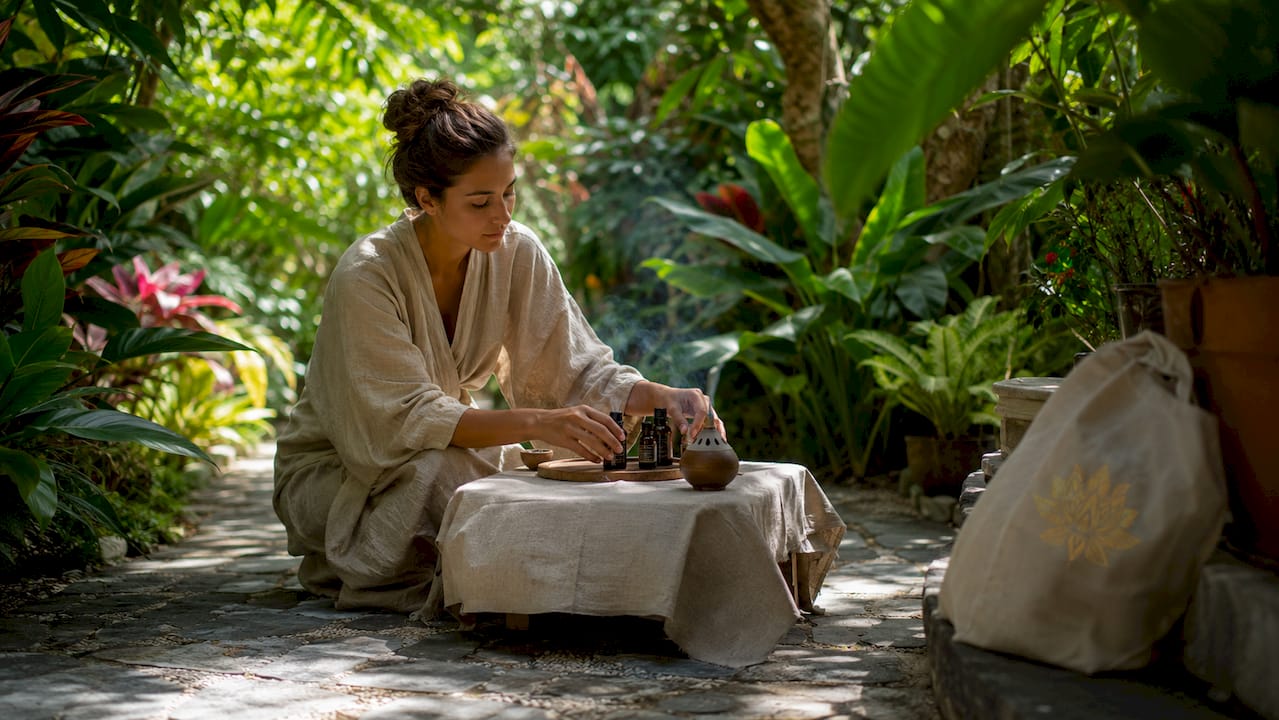
Start by decluttering your bathroom completely. Clear the counter, hide everyday products, and remove anything that signals chores or routine. A clean, uncluttered space signals to your nervous system that this time is different.
Lighting sets the mood faster than anything else. Dim overhead lights or switch them off entirely. Use candles or a small lamp with a warm bulb. Soft, indirect light lowers visual stimulation and helps your body shift into rest mode.
- Sound: Play a calming playlist or ambient nature sounds. Binaural beats at 40 Hz are widely used for relaxation and focus.
- Temperature: Warm the room before you begin. A small space heater or running a hot shower for two minutes raises the ambient temperature enough to prevent shivering between treatments.
- Scent: Use an essential oil diffuser with lavender, eucalyptus, or chamomile. Alternatively, place fresh eucalyptus branches near the showerhead for a natural steam release.
- Towels and robes: Warm your towels in the dryer for 10 minutes before use. Have your robe ready at arm’s reach so you never break the relaxation flow stepping out of the bath.
Pro Tip: Set everything up at least 20 minutes before you plan to start. Walking into a room that is already warm, scented, and lit correctly shifts your mindset before a single treatment begins.
2. Follow the right treatment sequence
A structured order of treatments maximizes the benefit of every step, mimicking the logic of professional bathhouses and Turkish hammams. Skipping steps or reversing the order reduces results significantly.
Step 1: Heat and steam. Begin with a warm bath or a 10-minute steam shower. Heat opens pores, softens skin, and relaxes muscles. This is the foundation every other treatment builds on.
Step 2: Hair mask. Apply your hair mask immediately after entering the bath. Hair masks work best when left on for 20–30 minutes during steam exposure. The warmth lifts the hair cuticle and allows conditioning ingredients to penetrate deeply.
Step 3: Exfoliation. After soaking for 10–15 minutes, exfoliate your body while skin is warm and soft. Use a physical scrub in gentle circular motions, working from feet upward. Warm skin releases dead cells far more easily than cold, dry skin.
Step 4: Cleanse. Rinse off the scrub and cleanse your face and body thoroughly. This removes exfoliant residue and prepares skin to absorb the next layer of treatment.
Step 5: Face and body masks. Apply your face mask and any body treatment while skin is still slightly damp. Damp skin absorbs active ingredients more effectively than dry skin.
Step 6: Moisturize. After rinsing masks, apply a body oil or lotion while skin is still warm. Lock in hydration before your skin cools and closes.
Step 7: Rest. Wrap yourself in your robe, lie down, and do nothing for at least 15 minutes. This rest period allows treatments to finish working and lets your nervous system fully decompress.
Pro Tip: Set a gentle timer for each step so you are not watching the clock. Knowing the timer will alert you removes mental effort and keeps you present.
3. DIY treatments that actually work
An at-home spa experience costs around $20 using household basics, or roughly $80 if you buy everything fresh. That cost gap shows how much you can accomplish with pantry staples.
The most effective DIY ingredients are simple and well-tested:
- Epsom salts: Add 1–2 cups to a warm bath to ease muscle tension. Magnesium absorption through skin is the mechanism behind the relaxation effect.
- Honey: A natural humectant that draws moisture into skin. Use it as a face mask base or mix with oatmeal for a gentle body scrub.
- Yogurt: Contains lactic acid, a mild chemical exfoliant. Apply plain, full-fat yogurt to your face for 10 minutes to brighten and smooth.
- Sugar or coffee grounds: Both work as physical exfoliants. Coffee grounds also temporarily reduce the appearance of puffiness when used on the face or body.
- Oatmeal: Colloidal oatmeal calms irritated or sensitive skin. Add it directly to bathwater or blend it into a paste for a soothing mask.
For DIY bath bombs, add essential oils drop by drop after thoroughly mixing dry ingredients. Adding oil too early causes premature fizzing and uneven distribution, which can irritate skin.
| Ingredient | Use | Approximate cost |
|---|---|---|
| Epsom salts | Bath soak for muscle relief | $3–$5 for a large bag |
| Raw honey | Face mask or scrub base | $4–$8 per jar |
| Plain yogurt | Brightening face mask | $2–$3 per cup |
| Coffee grounds | Body exfoliant | Free from used grounds |
| Coconut oil | Moisturizer and hair mask | $5–$10 per jar |
Pro Tip: Patch test any new DIY treatment on your inner arm 24 hours before applying it to your face. Even natural ingredients can trigger reactions on sensitive skin.
4. Sensory details that deepen relaxation
The sensory layer of a home spa experience is what separates a pleasant bath from genuine restoration. Sound, scent, and touch each activate different parts of the nervous system, and combining them correctly compounds the effect.
Phones are the single biggest reason home spa days fail to deliver real relaxation. Leave your phone in another room or switch it to airplane mode. The nervous system cannot fully rest while it anticipates notifications.
Sound works best when it is consistent and unobtrusive. Nature sounds like rain, running water, or forest ambiance keep the brain in a low-stimulation state without requiring attention. Binaural beats are another option for people who want a more deliberate relaxation effect.
For scent, use essential oils sparingly. Two to three drops in a diffuser is enough for a standard bathroom. Overuse overwhelms the senses and can cause headaches, which defeats the purpose entirely.
Tactile comfort is the most underrated element. Warming towels before use and slipping into a plush or waffle-weave robe immediately after your bath maintains the warmth your body built during the soak. Shoplotuslinen’s plush robe collections are designed specifically for this transition, with weight and softness that hold heat and feel genuinely spa-worthy against freshly treated skin.
5. Customizing your routine for frequency and skin type
The ideal home spa routine fits your schedule and your skin, not a generic template. Most people benefit from a full session every two to four weeks, with shorter 90-minute versions in between for maintenance.
Skin type determines which treatments you prioritize. Oily or acne-prone skin benefits most from clay masks and gentle chemical exfoliants like yogurt or salicylic acid. Dry or sensitive skin responds better to oatmeal baths, honey masks, and oil-based moisturizers. Combination skin does well with targeted treatments, using a clay mask on the T-zone and a hydrating mask on drier areas simultaneously.
Session length is flexible. A 90-minute session covers heat, one treatment, and rest. A full 4-hour session allows for hair treatments, full body exfoliation, multiple masks, a long soak, and extended rest. Neither is better. The right length is the one you will actually protect and complete.
Adding a short mindfulness or breathing practice at the end of your session extends the mental benefit significantly. Five minutes of slow, deliberate breathing after your rest period helps consolidate the calm your body built during the treatments.
Pro Tip: Block your spa time on your calendar like an appointment. Treating it as optional means it gets skipped. Treating it as scheduled means it happens.
For family spa night ideas, simplify the treatment menu and focus on the atmosphere. Warm towels, face masks from pantry ingredients, and a shared playlist make the experience accessible for everyone without requiring complex preparation. You can find a full home spa night guide on the Shoplotuslinen blog for step-by-step family-friendly ideas.
Key takeaways
A spa day at home works when you treat it as a structured ritual, not a spontaneous indulgence. Environment, sequence, and uninterrupted time are the three non-negotiable elements.
| Point | Details |
|---|---|
| Environment first | Set lighting, scent, and temperature before any treatment begins. |
| Follow the sequence | Heat, exfoliate, cleanse, mask, moisturize, and rest in that order. |
| DIY costs stay low | Use Epsom salts, honey, and oatmeal to keep costs near $20. |
| Sensory details matter | Warm towels, a plush robe, and phone-free time deepen relaxation. |
| Customize your frequency | Full sessions every 2–4 weeks, with 90-minute versions in between. |
Why intentionality is the real luxury
I have spent years thinking about what makes a home spa experience actually work, and the answer is almost never the products. The people who get the most out of their at-home rituals are the ones who treat the setup as seriously as the treatments themselves.
The most common mistake I see is rushing. Someone carves out an hour, skips the atmosphere setup, applies a face mask while scrolling their phone, and wonders why they feel no different afterward. The nervous system does not switch off on command. It needs cues: warmth, quiet, scent, and the absence of demands. When you build those cues deliberately, even a simple oatmeal mask and a warm bath become genuinely restorative.
The second mistake is underestimating what you wear after the bath. Stepping out of warm water into a cold room in a thin towel breaks the entire experience in about 30 seconds. A well-made robe, warm from the dryer, keeps your body in the relaxed state you worked to create. That is not a luxury detail. It is a functional one.
Ritualization is what makes self-care sustainable. When your spa day has a consistent structure, your body starts to anticipate the relaxation before the first candle is lit. That anticipation is itself restorative. Build the ritual, protect the time, and the results compound over months.
— Oguzhan
Shoplotuslinen robes and towels for your spa day
The right linens complete a home spa experience in a way that no treatment alone can.
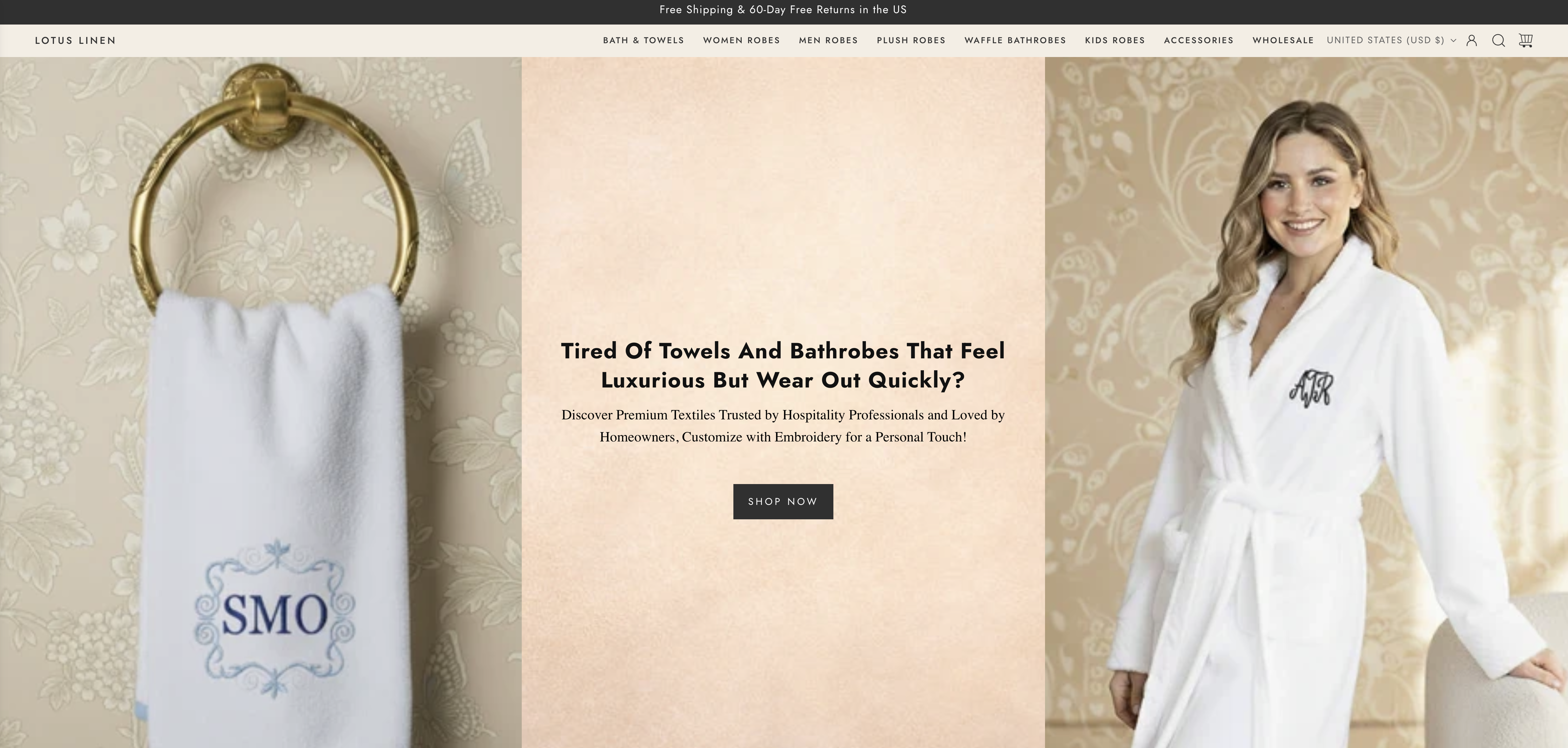
Shoplotuslinen’s women’s plush robes and men’s robe collection are built for exactly this moment: the transition from warm bath to rest, when your skin is treated and your body needs to stay warm. Both plush and waffle-weave styles are available, so you can choose the weight and texture that suits your preference. The scallop piping bath towels add a spa-worthy finish to your bathroom setup, with a design that feels intentional rather than ordinary. Custom embroidery is available on select robes, making them a thoughtful gift or a personal touch for your own ritual. Browse the full collection at Shoplotuslinen and build a setup that makes every session feel worth protecting.
FAQ
How long should a spa day at home last?
A full at-home spa session runs 2.5 to 4 hours for the complete experience, though 90 minutes is enough for meaningful stress relief when you follow a structured sequence.
What is the correct order for DIY spa treatments?
Start with heat or steam to open pores, then exfoliate, cleanse, apply masks, moisturize, and finish with rest. Following this sequence maximizes the benefit of each step.
How much does a DIY home spa day cost?
A home spa session costs around $20 using household staples like Epsom salts, honey, and oatmeal, or up to $80 if you purchase all supplies fresh.
How often should I do a home spa routine?
A full session every two to four weeks works well for most people, with shorter 90-minute sessions in between for skin maintenance and stress relief.
What is the biggest mistake people make during a home spa day?
Keeping your phone nearby is the most common error. Digital distractions prevent the nervous system from fully resting, which undermines every treatment you apply.

