
Finding sleepwear that looks good often feels easier than finding a set that truly supports restful nights. For many American women juggling wellness, family, and hormonal shifts, comfort at bedtime becomes non-negotiable. Research confirms that sleepwear made from natural fibers like wool can actually reduce sleep onset latency and minimize sleep fragmentation, making fabric choice far more important than style alone. Discover how the right sleepwear can elevate both your self-care routine and your family’s well-being.
Table of Contents
- Defining Good Sleepwear and Its Core Purpose
- Popular Types and Modern Sleepwear Options
- How Quality Sleepwear Supports Better Sleep
- Key Fabrics, Fits, and Style Features Explained
- Common Mistakes When Choosing Sleepwear
- Enhancing Self-Care and Family Well-Being
Key Takeaways
| Point | Details |
|---|---|
| Importance of Good Sleepwear | Quality sleepwear is essential for optimal sleep, supporting temperature regulation and overall wellness. |
| Material Matters | Natural fabrics like wool and cotton enhance comfort, breathability, and temperature management compared to synthetic materials. |
| Avoid Common Mistakes | Prioritize comfort and functionality over style, ensuring proper fit and fabric choice to avoid sleep disruptions. |
| Family Wellness Connection | Thoughtful sleepwear selection can foster emotional connections and support individual wellness within family dynamics. |
Defining Good Sleepwear and Its Core Purpose
Sleepwear transcends simple nighttime clothing - it’s a critical component of women’s health and wellness. At its core, good sleepwear serves far more than aesthetic purposes, functioning as a sophisticated performance garment designed to support optimal rest and bodily recovery.
The primary purpose of quality sleepwear centers on creating an ideal thermal environment for sleep. Research demonstrates that clothing directly influences sleep quality by regulating body temperature and supporting the natural sleep-wake cycle. This is particularly important for women experiencing hormonal fluctuations across different life stages.
Good sleepwear should deliver several essential features:
- Optimal temperature regulation
- Moisture-wicking capabilities
- Unrestricted movement during sleep
- Soft, non-irritating fabrics
- Ability to adapt to hormonal temperature changes
The scientific perspective reveals that fabric selection matters dramatically. Wool sleepwear, for instance, can reduce sleep onset latency and minimize sleep fragmentation more effectively than cotton or synthetic materials. This becomes increasingly critical as women age and experience more complex sleep challenges.
Comfort and functionality emerge as the twin pillars of exceptional sleepwear design. The garment must feel pleasant against the skin while simultaneously supporting physiological needs like temperature management and unrestricted movement.
Pro tip: Select sleepwear that feels like a second skin - breathable, soft, and adaptive to your body’s nightly temperature shifts.
Popular Types and Modern Sleepwear Options
Women’s sleepwear has evolved far beyond simple nighttime attire, transforming into a diverse landscape of styles that balance comfort, functionality, and personal expression. Modern sleepwear options now encompass an impressive range of designs tailored to different preferences, body types, and lifestyle needs.
The contemporary sleepwear market offers multiple versatile categories:
- Pajama Sets: Two-piece ensembles with button shirts and pants
- Sleep Shirts: Loose, breathable single-piece garments
- Nightgowns: Elegant, flowing designs for comfort
- Robes: Layering pieces providing warmth and style
- Shorts Sets: Lightweight options for warmer nights
- Loungewear: Comfortable crossover pieces suitable for relaxation
Fabric selection plays a crucial role in sleepwear performance. Natural materials like cotton, silk, bamboo, and wool offer distinct advantages in temperature regulation, moisture management, and overall comfort. Silk provides a luxurious feel, while cotton ensures breathability, and wool delivers exceptional thermal properties.
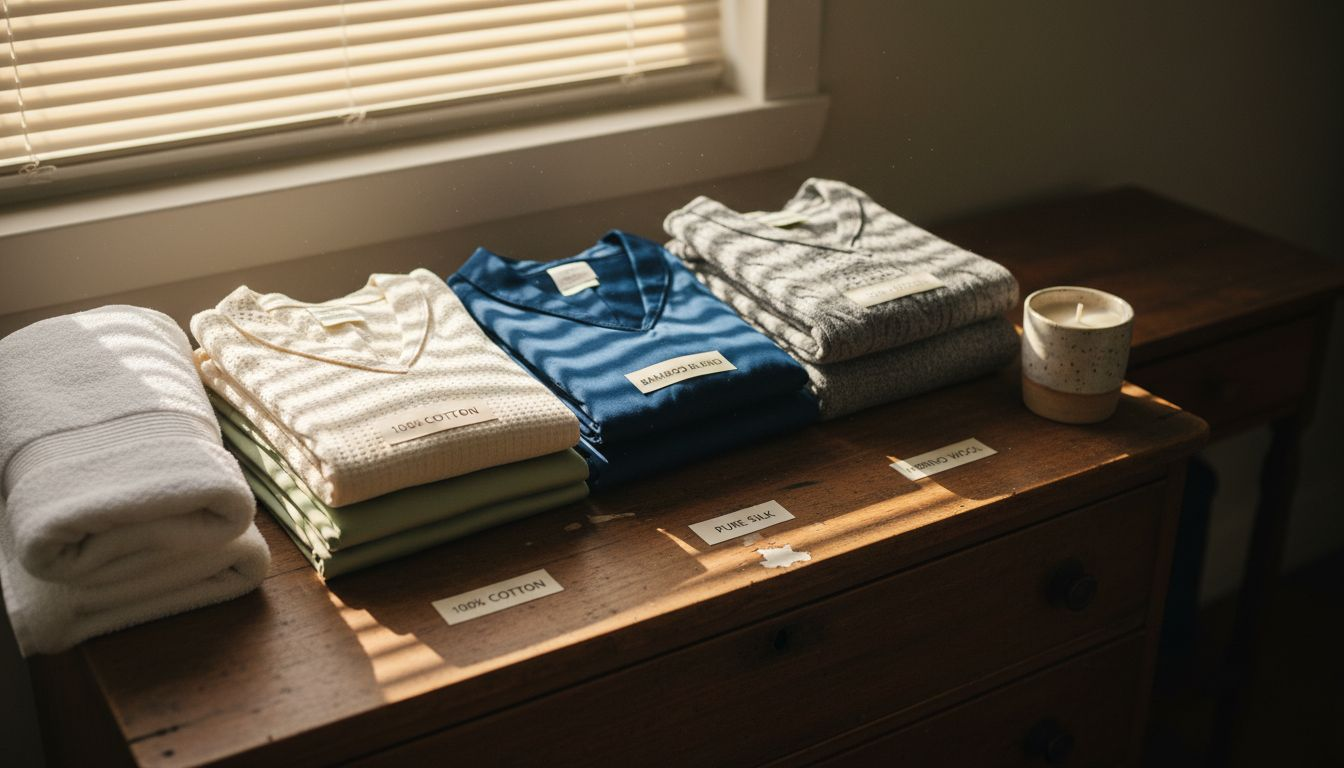
Here’s a comparison of popular sleepwear materials and their benefits:
| Material | Temperature Control | Skin Comfort | Best For |
|---|---|---|---|
| Wool | Excellent thermoregulation | Soft, non-irritating | Night sweats, cool climates |
| Cotton | Highly breathable | Gentle on sensitive skin | Warm nights, sensitive skin |
| Silk | Adapts to body temp | Smooth, luxurious texture | All seasons, luxury feel |
| Bamboo | Stays cool and dry | Hypoallergenic, soft | Humid climates, allergies |
| Linen | Superior wicking | Light, crisp feel | Hot weather, air circulation |
Understanding individual needs is key when selecting sleepwear. Factors like climate, personal temperature sensitivity, and lifestyle significantly influence the ideal sleepwear choice. Women experiencing hormonal changes might prefer moisture-wicking fabrics and adaptable designs that support temperature fluctuations.
Pro tip: Invest in sleepwear that adapts to your body’s changing needs, prioritizing comfort and personal style over trends.
How Quality Sleepwear Supports Better Sleep
Quality sleepwear is more than a fashion statement - it’s a critical component of restorative sleep and overall wellness. Clinical research demonstrates that the right sleepwear can significantly impact sleep quality by regulating body temperature and creating optimal thermal comfort.
The science behind effective sleepwear reveals several key mechanisms:
- Temperature Regulation: Prevents overheating or excessive cooling
- Moisture Management: Wicks away perspiration for comfort
- Skin Breathability: Allows natural air circulation
- Thermal Insulation: Maintains consistent body heat
- Psychological Comfort: Reduces nighttime disruptions
Natural fibers play a crucial role in sleep performance. Wool, in particular, stands out for its exceptional thermoregulation properties. Studies show that wool sleepwear can shorten sleep onset time, improve sleep efficiency, and reduce nighttime awakenings compared to synthetic materials.
Different life stages and individual physiological differences mean that sleepwear needs vary. Women experiencing hormonal changes, such as those during perimenopause or menopause, might find that temperature-adaptive fabrics provide significant sleep support. The right sleepwear can mitigate night sweats, reduce discomfort, and promote more consistent sleep patterns.
Pro tip: Select sleepwear that feels like a second skin - prioritizing breathable, temperature-regulating fabrics that adapt to your body’s unique needs.
Key Fabrics, Fits, and Style Features Explained
Choosing the right sleepwear involves understanding the intricate relationship between fabric performance, comfort, and individual wellness needs. Scientific research highlights that fabric selection goes far beyond aesthetic preferences, directly impacting sleep quality and physiological comfort.
Key fabric characteristics for optimal sleepwear include:
- Wool: Superior thermal regulation
- Cotton: Breathable and soft
- Linen: Excellent moisture-wicking properties
- Silk: Smooth, temperature-adaptive texture
- Bamboo: Naturally antibacterial and cooling
Fit considerations play an equally critical role in sleepwear effectiveness. Relaxed, loose-fitting garments that do not restrict movement are preferred, allowing natural body temperature regulation and promoting unrestricted circulation. Style features such as soft, flat seams, tagless designs, and adjustable closures contribute significantly to overall comfort.
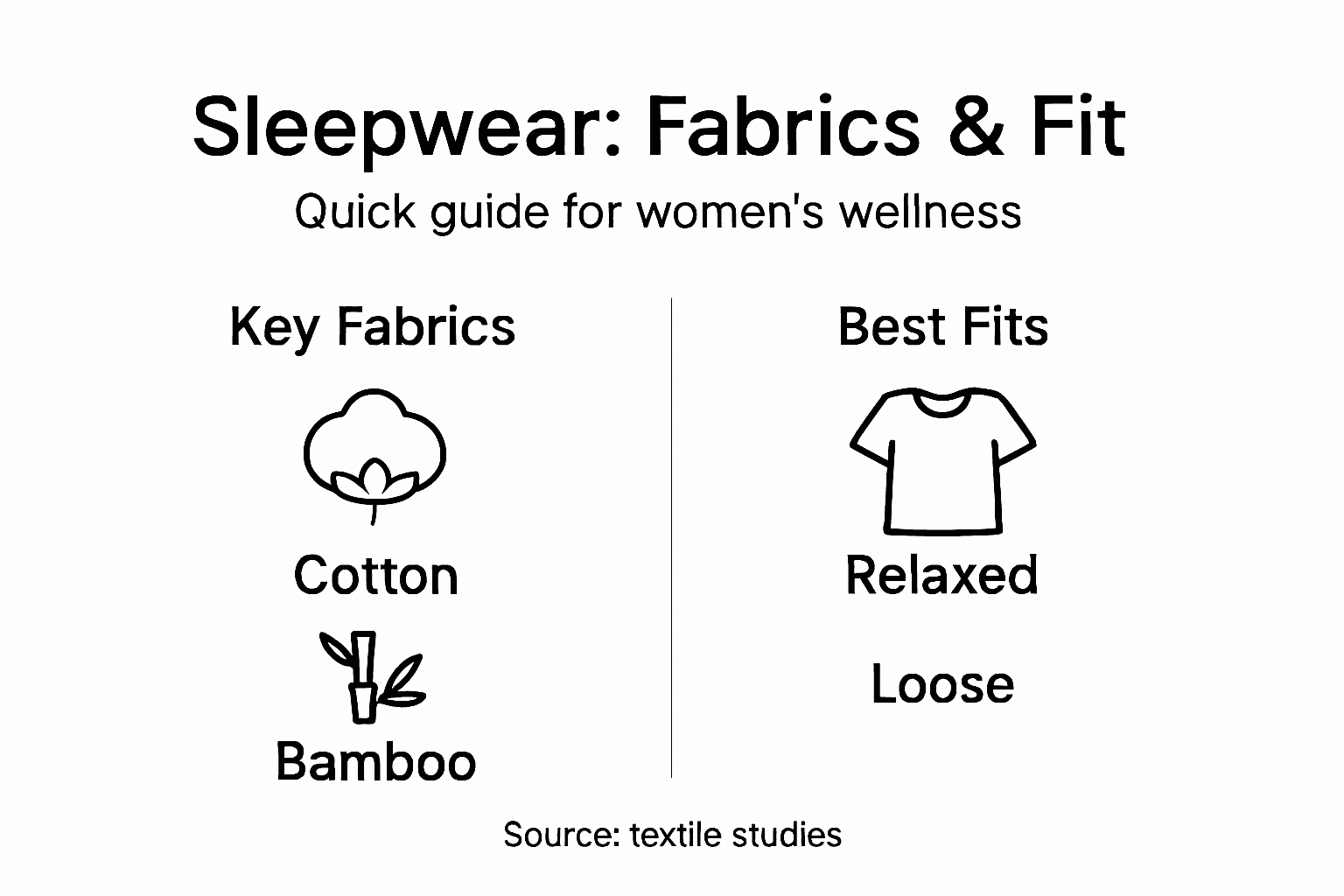
Women’s sleepwear needs evolve across different life stages, requiring adaptive solutions. Hormonal changes during perimenopause and menopause demand fabrics with superior moisture-management capabilities and temperature-regulating properties. The ideal sleepwear should feel like a second skin - responsive, breathable, and supporting individual physiological fluctuations.
Pro tip: Prioritize sleepwear that moves with your body, adapting to temperature changes and providing unrestricted comfort throughout the night.
Common Mistakes When Choosing Sleepwear
Choosing sleepwear is an art that requires more consideration than most women realize. Common selection errors can significantly compromise sleep quality, comfort, and overall wellness, transforming what should be a restorative experience into a nightly challenge.
Key mistakes women frequently make include:
- Prioritizing Style over Function: Selecting sleepwear that looks good but lacks practical sleep benefits
- Ignoring Fabric Breathability: Choosing materials that trap heat and moisture
- Selecting Incorrect Fit: Wearing sleepwear that is too tight or restrictive
- Neglecting Personal Comfort: Buying sleepwear without considering individual temperature preferences
- Overlooking Fabric Care: Purchasing items that require complex maintenance
Synthetic fabrics pose particular risks for sleep quality. These materials often trap heat, create moisture buildup, and prevent natural body temperature regulation. Women experiencing hormonal changes like perimenopause or menopause are especially vulnerable to these fabric-related comfort disruptions, making breathable, temperature-adaptive sleepwear crucial.
The psychological impact of uncomfortable sleepwear should not be underestimated. Ill-fitting or inappropriate nightwear can trigger anxiety, increase restlessness, and contribute to sleep fragmentation. The right sleepwear should feel like a second skin - supportive, adaptive, and barely noticeable.
This table outlines common sleepwear mistakes and how to avoid them:
| Mistake | Potential Impact | How to Avoid |
|---|---|---|
| Choosing synthetic fabrics | Poor breathability, overheating | Opt for natural fibers |
| Wearing tight fits | Restricts movement, disrupts sleep | Select loose, relaxed styles |
| Ignoring personal needs | Comfort issues, sleep problems | Consider temperature sensitivity |
| Neglecting care instructions | Shorter product lifespan | Check care labels before buying |
| Prioritizing style only | Discomfort, sleep disturbance | Balance appearance with function |
Pro tip: Always do a movement test when trying on sleepwear - simulate sleeping positions to ensure unrestricted comfort and flexibility.
Enhancing Self-Care and Family Well-Being
Self-care practices extend far beyond individual wellness, creating meaningful connections within family dynamics. Thoughtful sleepwear choices represent a subtle yet powerful approach to nurturing physical and emotional health for both individuals and loved ones.
Key strategies for integrating sleepwear into family wellness include:
- Establishing Bedtime Rituals: Creating consistent, calming pre-sleep routines
- Prioritizing Comfort: Selecting sleepwear that supports individual temperature needs
- Promoting Emotional Connection: Choosing matching or complementary sleepwear styles
- Supporting Individual Wellness: Recognizing unique physiological requirements
- Creating Shared Experiences: Making sleepwear selection a family discussion
Emotional well-being emerges as a critical component of sleepwear selection. Beyond physical comfort, the right nightwear can signal psychological safety, reduce stress, and create a sense of security within family environments. Women experiencing hormonal changes or managing family responsibilities particularly benefit from sleepwear that provides both physical and emotional support.
Understanding that self-care is a collective journey, families can transform sleepwear from a simple clothing choice into a wellness strategy. By approaching nighttime attire with intention and empathy, women can create nurturing environments that support everyone’s rest and recovery.
Pro tip: Involve family members in sleepwear selection, turning it into a bonding experience that validates individual comfort preferences.
Elevate Your Nighttime Comfort with Lotus Linen Sleepwear Solutions
If you value temperature regulation, moisture management, and the unparalleled comfort that supports your wellness journey, the right sleepwear is essential. Our article highlights how good sleepwear acts like a second skin optimizing your sleep environment especially during hormonal changes. At Lotus Linen, we understand these needs and offer premium bathrobes crafted for softness and breathability that perfectly complement your pursuit of restful nights.
Discover our SOFT MEN COTTON ROBES designed for unrestricted movement and skin-friendly fabrics that help you maintain ideal thermal balance. Enhance your entire relaxation routine by browsing our complete collection at https://shoplotuslinen.com for customizable options tailored to your unique preferences.

Transform your self-care with robes that combine elegant style with crucial functionality. Start your journey toward better sleep and wellness today by visiting Lotus Linen to choose sleepwear made for your comfort and personal needs.
Frequently Asked Questions
What features should I look for in good sleepwear?
Quality sleepwear should offer optimal temperature regulation, moisture-wicking capabilities, unrestricted movement, soft and non-irritating fabrics, and the ability to adapt to hormonal temperature changes.
How does fabric choice affect sleep quality in women’s sleepwear?
The right fabric can significantly impact sleep quality. Natural materials like wool, cotton, silk, bamboo, and linen provide various benefits such as better moisture management, temperature regulation, and skin comfort, which enhance overall sleep quality.
Why is comfort important when choosing sleepwear for women?
Comfort is crucial because it allows for unrestricted movement, helps with temperature regulation, and reduces nighttime disruptions. Ill-fitting or uncomfortable sleepwear can lead to anxiety, restlessness, and fragmented sleep.
How can sleepwear influence self-care and family well-being?
Thoughtful sleepwear choices can enhance physical and emotional health by creating calming bedtime rituals, promoting emotional connection through complementary styles, and recognizing individual wellness needs within families.

