
TL;DR:
- Choosing the right spa scent enhances emotional relaxation by directly influencing the brain’s limbic system.
- Layering fragrances and matching scents to specific goals creates a cohesive, memorable sensory experience.
Most people think of spa scents as background noise, a pleasant bonus that makes the room smell nice. That assumption misses something significant. The fragrances you choose for your spa space directly shape how relaxed, energized, or grounded you feel during and after your session. Research consistently shows that popular spa scents like lavender, citrus, eucalyptus, and woody blends each trigger measurable responses in the brain and body. Choosing thoughtfully is not about preference alone. It is about designing a sensory experience that works.
Table of Contents
- Why scent is essential for spa experiences
- Comparing popular spa scents and their effects
- How to choose the right spa scent for your space
- Application tips for maximizing scent impact
- Why a signature spa scent makes all the difference
- Bring your spa vision to life with Lotus Linen
- Frequently asked questions
Key Takeaways
| Point | Details |
|---|---|
| Scent selection matters | The right fragrance can powerfully shape your spa’s atmosphere and mood. |
| Match scent to intent | Choose calming, energizing, or clarifying scents based on your specific spa experience goals. |
| Blend and layer | Combining scents creates personalized ambiances that stand out. |
| Consider delivery method | Use candles, diffusers, or linens based on space size and fragrance longevity needs. |
Why scent is essential for spa experiences
Scent is the only sense with a direct line to the brain’s limbic system, which is the part responsible for emotion, memory, and stress response. When you inhale a fragrance, the signal travels almost instantly to areas that regulate your heartbeat, cortisol levels, and emotional state. This is why a particular smell can shift your mood within seconds, long before you consciously register what it is.
“Scent bypasses rational thought entirely. It speaks directly to how the body feels, which is exactly why it belongs at the center of any spa experience, not the edges.”
This rapid response makes scent a uniquely powerful tool in wellness settings. For home spa enthusiasts and boutique spa owners alike, that means scent is not decorative. It is functional.
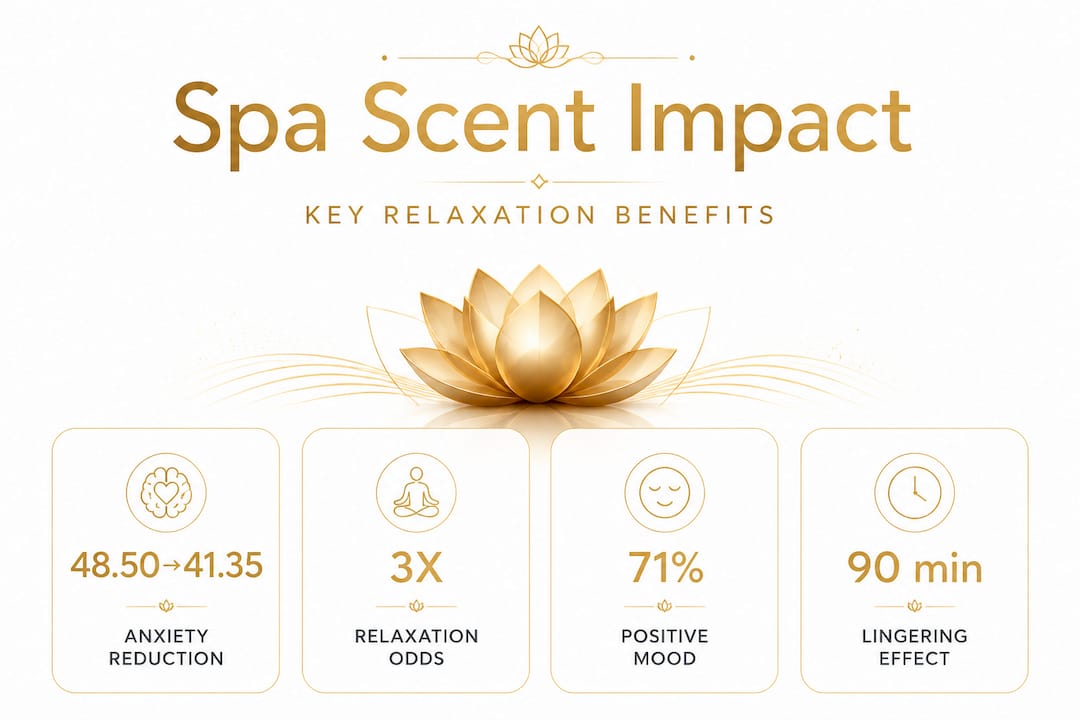
The clinical data makes this clear. Lavender aromatherapy reduced anxiety scores from 48.50 to 41.35 in a controlled study of patients under spinal anesthesia, a measurable drop that reflects real physiological change. In postpartum women, bergamot lowered depressive mood scores by 3.32 to 4.09 points. These are not abstract wellness claims. They are documented outcomes.
For anyone designing their home spa ritual, the practical implications are immediate:
- Scent selection should happen before you choose candles, lighting, or accessories because it sets the emotional tone for everything else.
- Match the scent to your intended outcome, not just your personal taste.
- Think of fragrance as an anchor. The same scent used consistently in your space trains your nervous system to relax on cue.
- Layering scents intentionally creates a more complex, memorable atmosphere than a single note alone.
- Weaker, subtler scents in smaller spaces often work better than strong ones that can overwhelm.
The bath time relaxation tips that resonate most with experienced spa lovers almost always mention scent as the first element they got right. Once you treat fragrance as essential rather than optional, the entire atmosphere shifts.
Comparing popular spa scents and their effects
Understanding the main spa scent families helps you match the right fragrance to your goal. Each family has a distinct emotional and physical profile.
| Scent family | Key notes | Primary effect | Best-use scenario |
|---|---|---|---|
| Lavender | Floral, herbal | Calming, reduces anxiety | Evening wind-down, deep relaxation |
| Citrus | Lemongrass, bergamot | Uplifting, mood-boosting | Morning routines, energy reset |
| Woody | Sandalwood, vetiver | Grounding, stabilizing | Meditation, long soak sessions |
| Eucalyptus | Minty, sharp | Mental clarity, respiratory ease | Focus sessions, post-workout recovery |
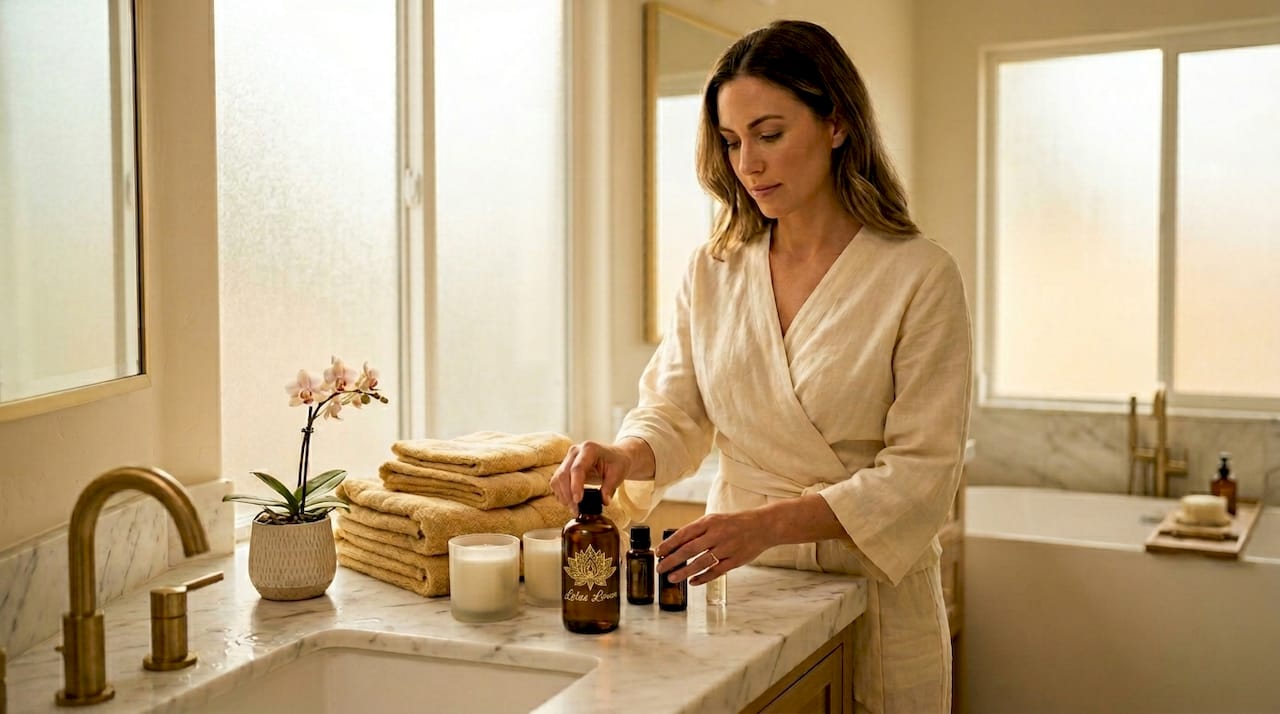
According to spa fragrance research, lavender calms and lowers heart rate, citrus notes like lemongrass and bergamot uplift mood, woody scents including sandalwood and vetiver ground the senses, and eucalyptus promotes clarity. Each family plays a different role.
A few things worth knowing about each:
- Lavender is the most studied and arguably the most reliable scent for promoting rest. It pairs beautifully with soft lighting and plush textures.
- Citrus blends wake you up without caffeine. If your spa session happens in the morning or you need to feel refreshed rather than sleepy, lemongrass or bergamot does the job effectively.
- Woody scents like sandalwood are slow burners, both literally and figuratively. They settle into a space over time and create a deep, almost meditative stillness.
- Eucalyptus is sharp and clarifying. Small amounts go a long way. It works especially well in steam or shower environments because moisture activates its fresh, mentholated quality.
For in-room bath rituals that mimic professional spa environments, pairing scent selection with your bath linen color impact creates a visually and sensorially cohesive space. Warm ivory towels with woody sandalwood, crisp white linens with eucalyptus, and soft blush with lavender are combinations that feel intentional and polished.
Pro Tip: Instead of choosing a single dominant scent, try layering a woody base with a lighter citrus top note. Use a diffuser for the base and a candle for the top. The result is a custom fragrance profile that feels more like a boutique spa than a single-note air freshener.
How to choose the right spa scent for your space
Choosing a scent is not just about what you like to smell. It is about what will work in your specific environment, for the specific people using it, toward a specific mood or outcome.
Follow these steps to choose with intention:
- Measure your space. A small bathroom requires a fraction of the fragrance intensity that a large spa treatment room needs. Overwhelming a small space with too much scent can cause headaches and irritation rather than relaxation.
- Check ventilation. Spaces with good airflow need stronger or more frequently refreshed scents. Enclosed rooms hold fragrance longer but can also trap stale smells, so regular refreshing matters.
- Know your audience. Are you designing for yourself alone, or will guests or family members use the space? Scent sensitivity varies widely, so when in doubt, choose lighter options and layer up if needed.
- Define your goal clearly. Write it down if that helps. Are you trying to feel calmer? More energized? More grounded? The answer should drive every scent decision you make.
- Test before committing. Start with a single candle or a small diffuser blend before investing in large quantities. Scent can smell very different in a small bottle versus filling an entire room. Spending an hour in a lightly scented space tells you far more than sniffing from a jar.
DIY bath spa treatments often start with scent selection precisely because fragrance frames the entire experience before anything else begins. Many people who design their own home spa routines report that getting the scent wrong is the fastest way to ruin an otherwise perfectly arranged space.
When it comes to creating a signature scent, think in layers. A base note, usually woody or earthy, holds the fragrance for the longest time. A middle note, often floral or herbal, provides the main character of the scent. A top note, typically citrus or mint, is what you smell first and what fades fastest. Combining all three creates a scent profile that evolves throughout your session rather than staying flat.
For practical bathroom relaxation tips focused on fragrance, the single most impactful change most people can make is switching from synthetic air fresheners to essential oil diffusers or natural soy candles. The difference in quality and effect is immediate and noticeable.
Calming lavender specifically works best when used consistently in the same environment over time because your brain begins to associate the scent with relaxation automatically.
Pro Tip: Keep a simple scent journal. After each session, note what fragrance you used, how intense it was, and how you felt during and after. Within a few weeks, you will have a clear picture of what works best for your specific needs.
Application tips for maximizing scent impact
Choosing the right scent is only half the equation. How you deliver that scent into your space determines whether it enhances the experience or falls flat.
The most popular delivery methods each have distinct advantages:
- Essential oil diffusers offer precise control over intensity and duration. They work well for continuous, consistent fragrance without heat or smoke.
- Soy or beeswax candles add warmth, ambiance, and fragrance simultaneously. The flickering light complements the scent experience in a way diffusers cannot replicate.
- Room sprays and linen mists give you instant, on-demand fragrance and are ideal for quick refreshing before a session.
- Scented bath salts and oils take the scent into the water itself, surrounding you completely rather than just filling the air above.
- Linen sprays applied to robes and towels create a deeply personal scent experience because the fragrance moves with you throughout your session.
| Application method | Duration | Intensity control | Relative cost |
|---|---|---|---|
| Essential oil diffuser | 2 to 8 hours | High | Medium |
| Soy candle | 1 to 4 hours | Low | Low to medium |
| Linen mist | 30 to 90 minutes | Medium | Low |
| Bath salts or oils | Session length | Medium | Low to medium |
| Reed diffuser | Days to weeks | Low | Low |
Lavender aromatherapy showing anxiety reductions from 48.50 to 41.35 demonstrates that even subtle, sustained fragrance exposure produces real effects over a session. You do not need an overwhelming amount of scent for it to work. Consistent, moderate exposure is more effective and far more pleasant.
Layering scent with your décor creates cohesion. Warm woody scents work best with natural textures like bamboo, linen, and stone. Cool eucalyptus pairs well with white or slate tones. These pairings are not arbitrary. They create a multi-sensory signal to your brain that everything in the space is aligned and intentional.
For the finishing touch, check out essential bath accessories that complement your scent profile, and read through this spa accessories guide for a broader view of how each element in the space works together.
Why a signature spa scent makes all the difference
Here is something the standard spa advice articles almost never say: most spa experiences are forgettable because they smell like every other spa. The lavender and eucalyptus diffuser running in reception. The generic citrus candle by the sink. It is fine. It smells nice. And then you leave and forget it within an hour.
A signature scent changes that entirely. When we talk to people who have taken their home spa rituals seriously, the ones who describe their space most vividly always mention a specific, personal fragrance they developed over time. Not a mass-market candle, but a combination they arrived at through experimentation. That specificity creates memory, attachment, and genuine emotional comfort.
For boutique spa owners, a signature scent is arguably one of the most cost-effective branding tools available. Guests who associate a unique fragrance with your space will think of you every time they smell something similar. That is not marketing theory. That is basic neuroscience applied to an elegant experience.
At home, the same principle applies. When you commit to a signature scent for your personal retreat, stepping into that space becomes a full sensory trigger for rest. You do not have to wait for relaxation to arrive. It starts the moment you open the door.
The role of physical comfort in that space matters just as much. A warm, well-scented room feels incomplete if you are wrapped in a rough, thin robe. The spa comfort and relaxation that comes from a well-designed home retreat is always multi-sensory. Scent and texture work together. They reinforce each other.
Do not wait until everything is perfect to start building your signature scent identity. Start with one note, test it for a few weeks, and build from there. The result over time is a space that feels unmistakably yours.
Bring your spa vision to life with Lotus Linen
A carefully chosen spa scent sets the atmosphere, but the physical comfort of your environment seals the experience. Soft, absorbent towels and a beautifully crafted robe are what your body touches during every moment of that session.
At Lotus Linen, we design robes and bath linens that match the intentionality you bring to scent selection. Our luxury cotton bath sheet wraps you in the kind of softness that turns a routine bath into something genuinely restorative. Whether you are building out a personal home retreat or adding premium touches to a boutique spa, our men’s robes collection and women’s robes collection bring the final layer of luxury your space deserves. Scent fills the room. Our linens complete it.
Frequently asked questions
Which spa scent is best for relaxation?
Lavender is the most recommended scent for relaxation because it has been shown to reduce anxiety and heart rate in multiple clinical settings, making it a reliable and widely available choice.
How do I make a small space feel like a spa using scent?
Choose lighter, uplifting options like bergamot or lemongrass and use a small diffuser or single candle to distribute fragrance evenly without overwhelming the room.
Can I combine multiple spa scents?
Yes, layering complementary scents like a woody sandalwood base with a fresh citrus top note creates a custom ambiance that feels more personal and sophisticated than any single scent alone.
What scent helps with focus or mental clarity?
Eucalyptus promotes clarity and refreshes the mind, making it an excellent choice for any session where you want to feel alert and present rather than drowsy.
How long do spa scents last in different applications?
Reed diffusers and linen sprays can hold fragrance for days to weeks at low intensity, while candles and oil diffusers typically fill a space for one to eight hours per use depending on room size and airflow.
Recommended
- Create a Home Spa Ambiance: Step-by-Step Guide – Lotus Linen
- Create relaxing DIY bath spa treatments at home – Lotus Linen
- Bath Linen Color Psychology: Creating a Spa Atmosphere – Lotus Linen
- 7 In-Room Bath Rituals for a Luxurious Spa Experience – Lotus Linen
- SPA dāvanas Valentīndienā: labākās relaksācijas vietas diviem Rīgā un – Skydive Latvia

