
Nearly half of all American adults report experiencing sensitive skin, yet most people underestimate just how much it affects daily comfort and confidence. The search for relief can feel frustrating, especially when even a relaxing bath or cozy robe brings irritation instead of ease. Understanding what triggers sensitive skin and learning how to avoid common mistakes can help you protect your well-being and enjoy lasting comfort at home.
Table of Contents
- What Is Sensitive Skin and Why It Matters
- Common Irritants and Triggers in Bath Products
- Gentle Bath Routines for Sensitive Skin
- Selecting Safe Robes and Towels for Comfort
- Avoiding Bath Time Mistakes With Sensitive Skin
Key Takeaways
| Point | Details |
|---|---|
| Understanding Sensitive Skin | Sensitive skin is a physiological condition characterized by heightened reactivity to environmental factors and products, affecting daily comfort and skin health. |
| Identifying Irritants | Common irritants in bath products include synthetic fragrances, sulfates, and parabens, which can lead to reactions such as redness or sting. |
| Gentle Bath Practices | Bath routines should use lukewarm water, limited products, and gentle application techniques to protect the skin barrier. |
| Careful Fabric Selection | Choosing soft, breathable, and hypoallergenic fabrics for towels and robes can significantly improve comfort and reduce irritation for sensitive skin. |
What Is Sensitive Skin and Why It Matters
Sensitive skin is more than just occasional discomfort. It represents a complex physiological condition characterized by heightened reactivity that can significantly impact your daily comfort and overall skin health. Unlike typical skin types, sensitive skin responds dramatically to environmental triggers, skincare products, and even subtle changes in temperature or humidity.
The medical understanding of sensitive skin goes beyond simple irritation. According to research from the International Forum for the Study of Itch, sensitive skin is considered a genuine syndrome with specific diagnostic markers. These markers include sensations like stinging, burning, tingling, and unexpected pain in response to stimuli that would not typically provoke such intense reactions. People with sensitive skin often experience:
- Persistent dryness and tightness
- Frequent redness and inflammation
- Rapid skin discoloration
- Increased susceptibility to irritants
- Heightened emotional stress related to skin condition
Understanding sensitive skin requires recognizing its root causes. A weakened skin barrier allows environmental irritants, allergens, and microbes to penetrate more easily, triggering inflammatory responses. Factors like genetics, hormonal changes, environmental stress, and improper skincare routines can all contribute to developing sensitive skin conditions.
Pro Tip: Skin Detective: Keep a detailed journal tracking your skin’s reactions to different products, environmental conditions, and stress levels. This personal documentation can help you identify specific triggers and develop a customized skincare strategy.
Common Irritants and Triggers in Bath Products
Bath products can be a minefield for those with sensitive skin, containing numerous potential triggers that might cause unexpected reactions. Certain skincare products contain chemical agents that can provoke significant skin responses, transforming what should be a relaxing experience into a source of discomfort.
The most common irritants in bath products typically fall into several key categories:
- Synthetic Fragrances: Artificial scents often contain complex chemical compounds
- Sulfates: Harsh detergents that strip natural skin oils
- Parabens: Preservatives linked to potential skin inflammation
- Alcohol-based Ingredients: Drying agents that compromise skin barrier function
- Essential Oils: Natural but potent compounds that can trigger reactions
Research indicates that sensitive skin can react dramatically to physical and chemical agents, even without visible skin lesions. These reactions might manifest as stinging, burning, or persistent itching. The challenge lies not just in identifying these irritants, but understanding how they interact with individual skin biochemistry.
Complex interactions between environmental factors, personal genetics, and product ingredients create a unique sensitivity profile for each individual. Factors like water temperature, humidity, stress levels, and underlying health conditions can amplify skin reactivity, making it crucial to approach bath product selection with careful consideration and personalized awareness.
Here’s a summary comparing common bath product irritants and their typical effects on sensitive skin:
| Ingredient Type | Common Uses | Typical Reactions |
|---|---|---|
| Synthetic Fragrances | Scenting products | Itching, redness, stinging |
| Sulfates | Producing lather | Dryness, irritation |
| Parabens | Preservation | Inflammation, discomfort |
| Alcohol-based Agents | Solvent, drying | Flaking, tightness |
| Essential Oils | Natural scent/benefit | Burning, redness, rash |
Pro Tip: Chemical Sleuth: Perform a patch test with new bath products on a small skin area 24 hours before full application, observing for any signs of irritation or unusual skin response.
Gentle Bath Routines for Sensitive Skin
Bath routines for sensitive skin require a delicate, intentional approach that prioritizes skin barrier protection and minimizes potential irritation. Managing sensitive skin involves using mild cleansers with warm water and carefully selected products that support rather than challenge your skin’s natural balance.
A comprehensive sensitive skin bath routine should incorporate several strategic elements:
- Water Temperature Control: Lukewarm water (not hot)
- Minimal Product Usage: Limited, fragrance-free cleansers
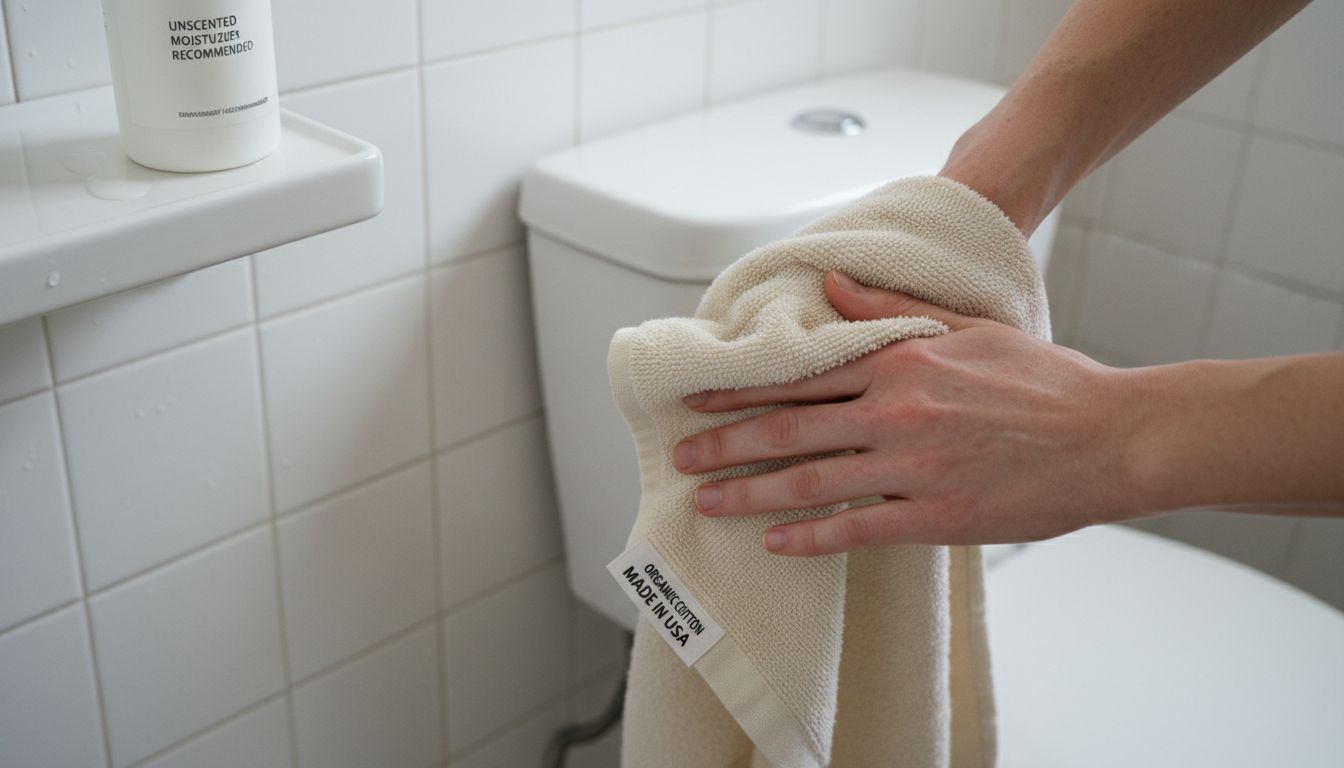
- Gentle Application Techniques: Soft patting, never aggressive rubbing
- Quick Bathing Duration: Limit bath time to 10-15 minutes
- Immediate Moisturizing: Apply fragrance-free lotion right after bathing
Specialized care products can help replenish the skin’s compromised barrier function, which often allows irritants to penetrate more deeply in sensitive skin types. This means selecting products specifically formulated to strengthen and protect the skin’s protective layer becomes crucial. Ingredients like ceramides, hyaluronic acid, and niacinamide can provide additional support for maintaining skin integrity.
Understanding your unique skin sensitivity involves recognizing individual triggers and developing a personalized approach. Factors like water hardness, local climate, stress levels, and hormonal changes can all influence how your skin responds to bathing routines. Keeping a detailed skin journal can help you track patterns and refine your approach over time.
Pro Tip: Skin Sensitivity Mapper: Create a weekly log documenting bath products used, water temperature, application techniques, and any skin reactions to systematically identify and eliminate potential irritants.
Selecting Safe Robes and Towels for Comfort
Fabric selection is paramount when managing sensitive skin, transforming everyday textiles from potential irritants to sources of comfort and protection. Certain clothing materials like wool and polyester can trigger significant skin reactions, making thoughtful textile choices critical for individuals with delicate skin.
The ideal materials for sensitive skin robes and towels should prioritize several key characteristics:
- Softness: Ultra-smooth fibers that minimize friction
- Breathability: Fabrics that allow air circulation
- Moisture-Wicking: Materials that quickly draw moisture away from skin
- Hypoallergenic: Textiles less likely to provoke allergic responses
- Natural Fibers: Organic cotton, bamboo, and silk blends
Environmental factors, including specific fabric compositions, can significantly exacerbate sensitive skin symptoms. This means selecting robes and towels isn’t just about comfort – it’s about creating a protective barrier that supports skin health. Organic cotton stands out as an exceptional choice, offering softness, breathability, and minimal chemical processing.
Beyond material selection, additional considerations like weave density, thread count, and finishing techniques play crucial roles in textile performance. Looser weaves provide more breathability, while tighter weaves offer better durability. Avoiding harsh chemical treatments and opting for naturally processed fabrics can further reduce the risk of skin irritation.
This table highlights key textile options for sensitive skin and why they are beneficial:
| Fabric Type | Key Benefit | Ideal Use |
|---|---|---|
| Organic Cotton | Soft and hypoallergenic | Towels and bathrobes |
| Bamboo Viscose | Moisture-wicking, smooth | Lightweight robes |
| Silk | Low friction, cooling feel | Robes, pillowcases |
| Linen | Breathable, gentle fibers | Towels in warm climates |
| Microfiber | Ultra-soft, quick drying | Compact travel towels |
Pro Tip: Textile Detective: Before purchasing robes or towels, physically touch the fabric, checking for immediate skin reaction and assessing softness, smoothness, and potential irritation triggers.
Avoiding Bath Time Mistakes With Sensitive Skin
Bath time for sensitive skin requires strategic planning and mindful approach to prevent potential irritation and discomfort. Preventing sensitive skin flare-ups involves carefully avoiding harsh chemical products and understanding individual skin triggers, transforming a potentially stressful experience into a soothing self-care ritual.
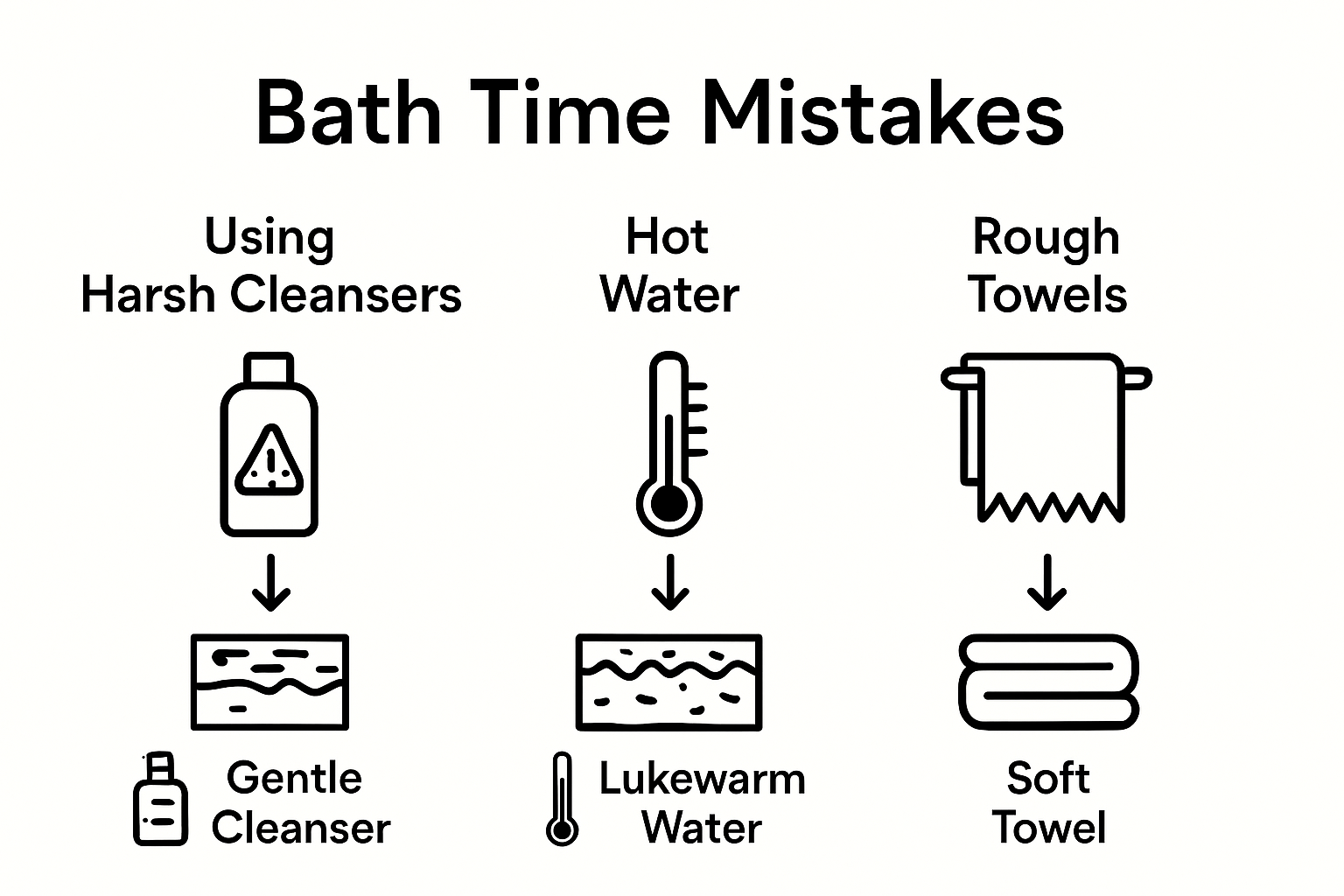
Common bath time mistakes that can exacerbate sensitive skin include:
- Extreme Water Temperatures: Using water that is too hot or too cold
- Prolonged Bathing: Staying in water longer than 10-15 minutes
- Aggressive Towel Drying: Rubbing skin instead of gentle patting
- Using Multiple Products: Layering multiple skincare items simultaneously
- Ignoring Skin Hydration: Failing to moisturize immediately after bathing
Temperature changes and unsuitable cosmetic products can significantly compromise sensitive skin’s protective barrier, making each bath a potential minefield of potential irritants. Understanding your skin’s unique sensitivities means developing a personalized approach that prioritizes gentle, minimal intervention.
Additionally, environmental factors like humidity, water hardness, and local water treatment chemicals can interact unpredictably with sensitive skin. Implementing protective strategies such as using filtered water, selecting hypoallergenic products, and maintaining a consistent, gentle skincare routine can help mitigate potential reactions.
Pro Tip: Sensitivity Shield: Always perform a patch test with new bath products on a small, inconspicuous skin area 24 hours before full application to assess potential allergic reactions or irritation.
Experience Bath Time Comfort Designed for Sensitive Skin
Sensitive skin demands gentle care and thoughtful products that protect and soothe. The article highlights common challenges such as irritation from harsh fabrics and irritants found in bath products. Softness, breathability, and hypoallergenic materials are crucial to avoid redness, itching, or discomfort after your bath routine. At Lotus Linen you can discover plush, waffle, and customizable robes and towels crafted from carefully selected natural fibers that prioritize your skin’s health and comfort.
Transform your bath experience with premium robes and towels specifically designed to minimize friction and moisture retention issues. These luxurious essentials support your skin’s natural barrier and help you avoid common bath time mistakes like aggressive towel drying and exposure to irritating fabrics.
Enhance your sensitive skin care routine today with Lotus Linen’s elegant bath collection.

Find your perfect robe or towel that respects your skin’s needs and elevate your bathing rituals to a safe, plush, and truly restful level. Visit Lotus Linen now and choose comfort that cares for your sensitive skin every day.
Frequently Asked Questions
What are common irritants I should avoid in bath products if I have sensitive skin?
Common irritants to avoid include synthetic fragrances, sulfates, parabens, alcohol-based ingredients, and essential oils, as these can provoke reactions such as itching, burning, and redness.
How can I create a gentle bath routine for sensitive skin?
To establish a gentle bath routine, use lukewarm water, limit product usage to mild, fragrance-free cleansers, pat the skin dry gently, keep bath time short (10-15 minutes), and moisturize immediately after bathing.
What types of fabrics are safest for sensitive skin in towels and robes?
Opt for soft, breathable fabrics like organic cotton, bamboo, silk, and linen. These materials help minimize friction and moisture while being less likely to provoke allergic reactions.
What bath time mistakes can worsen sensitive skin conditions?
Common mistakes include using extreme water temperatures, prolonged bathing times, aggressive towel drying, layering multiple products, and neglecting to moisturize promptly after bathing.

