
Every parent faces that moment when their child’s skin flares up after using a new bath product. For families in the United States, finding gentle and effective care is more than a preference—it is a necessity for comfort and peace of mind. With research showing that over 30 percent of children under 6 experience sensitive skin, understanding the causes and solutions can help you choose safe, luxurious bath essentials your child will love for both everyday routines and special celebrations.
Table of Contents
- What Makes Skin Sensitive In Children
- Safe Types Of Bath Products For Sensitive Skin
- Key Ingredients To Seek And Avoid
- How To Create A Gentle Bath Routine
- Common Mistakes With Sensitive Skin Bath Care
- Expert Tips: Choosing Products For Kids
Key Takeaways
| Point | Details |
|---|---|
| Understanding Sensitive Skin | Sensitive skin in children results from an immature skin barrier, genetic factors, environmental triggers, and immune system development. Parents must recognize these aspects to provide appropriate care. |
| Choosing the Right Products | Selecting bath products requires focusing on fragrance-free, hypoallergenic, and pH-balanced options to minimize irritation and protect the delicate skin barrier. |
| Creating a Gentle Bath Routine | A gentle bath routine involves using lukewarm water, limiting bath time to 5-10 minutes, and applying moisturizer immediately after to retain skin hydration. |
| Avoiding Common Mistakes | Parents should avoid over-bathing, using hot water, and harsh soaps to prevent long-term skin irritation and ensure the health of their child’s sensitive skin. |
What Makes Skin Sensitive in Children
Sensitive skin in children is a complex condition characterized by heightened reactivity and vulnerability. Research from leading dermatological studies reveals that over 30% of children under 6 experience this challenging skin state, making it crucial for parents to understand its underlying mechanisms.
Understanding the root causes of sensitive skin involves examining several key factors:
- Immature Skin Barrier: Young children’s skin has not fully developed its protective barrier, making it more susceptible to irritants
- Genetic Predisposition: Family history of allergies or skin conditions significantly increases sensitivity
- Environmental Triggers: Factors like temperature changes, humidity, and exposure to potential allergens
- Immune System Development: Ongoing research suggests that an evolving immune response contributes to skin reactivity
The physiological characteristics that contribute to sensitive skin in children are particularly nuanced. The outer layer of a child’s skin is significantly thinner and more permeable compared to adult skin, which means irritants can penetrate more easily and cause inflammatory responses. This structural vulnerability explains why children often experience symptoms like redness, itching, and rapid irritation when exposed to certain substances.
Children’s skin is fundamentally different from adult skin - it requires specialized care and understanding.
Genetic factors play a substantial role in determining skin sensitivity. Families with histories of eczema, asthma, or allergic conditions are more likely to have children with sensitive skin. These inherited tendencies can manifest through increased immune system reactivity and reduced skin barrier function.
Here’s a summary of common triggers and recommended responses for children’s sensitive skin:
| Trigger Type | Example | Immediate Response | Long-Term Strategy |
|---|---|---|---|
| Environmental | Sudden cold weather | Apply gentle moisturizer | Use protective clothing |
| Chemical | New body wash | Rinse with water | Switch to hypoallergenic products |
| Physical | Rough towel drying | Soothe with cool compress | Use soft towels only |
| Allergens | Pet dander exposure | Clean skin with mild cleanser | Minimize allergen contact |
Pro tip: Track and document your child’s skin reactions to identify specific triggers and develop a personalized skincare approach.
Safe Types of Bath Products for Sensitive Skin
Harvard Health research highlights the critical importance of selecting bath products specifically designed for children with sensitive skin. The right products can significantly minimize irritation and protect the delicate skin barrier of young children.
When choosing bath products for sensitive skin, parents should focus on several key characteristics:
- Fragrance-Free Formulations: Artificial scents can trigger skin reactions
- Hypoallergenic Cleansers: Minimizes potential allergic responses
- Mild, Gentle Ingredients: Avoid harsh chemicals and antibacterial agents
- pH-Balanced Solutions: Maintains natural skin equilibrium
Specialized bath products for sensitive skin typically include:
- Soap-free liquid cleansers
- Moisturizing bath oils
- Gentle, unscented body washes
- Emollient-rich shower gels
Non-traditional bathing techniques suggest using no-rinse cleansers and carefully controlled water temperatures can further protect sensitive skin. Emollient-rich products that support skin hydration are particularly beneficial, especially when applied immediately after bathing to lock in moisture.
Sensitive skin requires a thoughtful, gentle approach to bathing and product selection.
Choosing the right bath products involves understanding your child’s unique skin characteristics. Look for products with minimal ingredients, natural moisturizing components, and specifically formulated for sensitive or delicate skin types. Avoiding products with potential irritants like sulfates, parabens, and artificial preservatives is crucial.
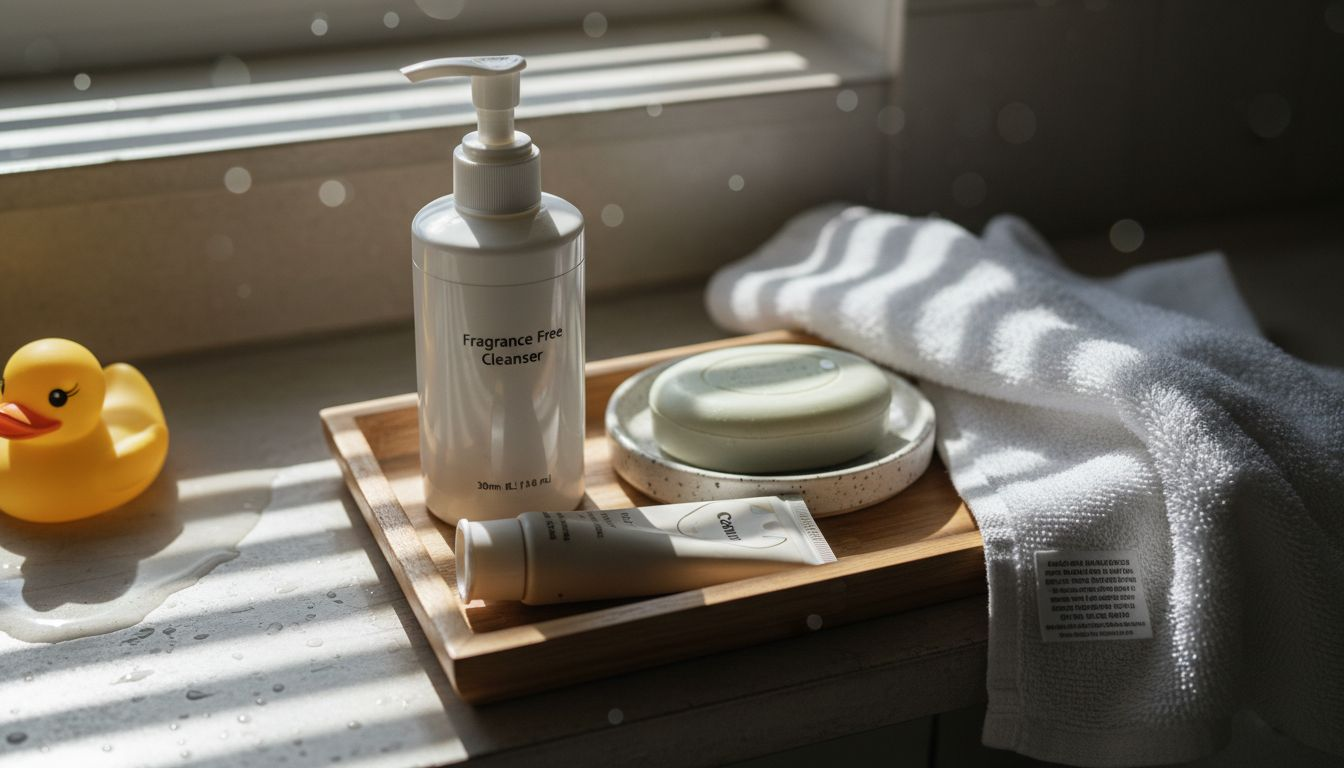
Pro tip: Always patch test new bath products on a small area of skin and monitor for any adverse reactions before full application.
Key Ingredients to Seek and Avoid
FDA regulations provide critical guidance on selecting safe bath products for children with sensitive skin. Understanding which ingredients to seek and avoid is fundamental to protecting your child’s delicate skin barrier.
Ingredients to actively avoid in bath products include:
- Formaldehyde-Releasing Preservatives: Known skin irritants
- Artificial Fragrances: Common triggers for allergic reactions
- Harsh Detergents: Strip natural skin oils
- Sulfates: Can cause significant skin dryness
- Parabens: Potential endocrine disruptors
Conversely, beneficial ingredients that support skin health are:
- Glycerin: Natural moisturizing agent
- Ceramides: Supports skin barrier function
- Hyaluronic Acid: Attracts and retains moisture
- Vitamin E: Provides antioxidant protection
Research from Oregon State University emphasizes the importance of antioxidants and essential fatty acids in maintaining skin integrity. Ingredients like vitamin E not only protect the skin but also help repair existing damage, making them crucial for children with sensitive skin types.
Natural, minimally processed ingredients are always the safest choice for sensitive skin.
Parents should become ingredient detectives, carefully reading labels and avoiding products with long lists of chemical compounds. Opt for products with transparent ingredient lists that prioritize natural, gentle components. Look for certifications that indicate minimal processing and absence of harsh chemicals.
Compare ingredient choices for bath products below:
| Ingredient Type | Benefit or Risk | Why It Matters |
|---|---|---|
| Ceramides | Benefit | Strengthens skin barrier |
| Artificial Fragrances | Risk | Common source of irritation |
| Glycerin | Benefit | Helps retain skin moisture |
| Sulfates | Risk | Can cause excessive dryness |
Pro tip: Create a personal ingredient blacklist by tracking which specific ingredients consistently trigger skin reactions in your child.
How to Create a Gentle Bath Routine
Harvard Health experts recommend establishing a thoughtful, careful approach to bathing children with sensitive skin. Creating a gentle bath routine involves strategic techniques that protect and nurture your child’s delicate skin barrier.
Key elements of a gentle bath routine include:
- Water Temperature Control: Use lukewarm water, never hot
- Limited Bath Duration: Keep bath times short (5-10 minutes)
- Minimal Product Usage: Select mild, fragrance-free cleansers
- Gentle Cleansing Technique: Use soft, circular motions
- Post-Bath Moisture Preservation: Pat dry, immediately moisturize
A comprehensive gentle bath routine follows these essential steps:
- Prepare the bathing environment
- Test water temperature
- Use minimal, hypoallergenic products
- Cleanse gently
- Rinse thoroughly
- Pat dry with soft towel
- Apply moisturizer immediately
Alternative bathing techniques suggest using warm, moist towels with no-rinse soap solutions as another gentle cleaning method for sensitive skin. This approach minimizes direct water exposure and reduces potential irritation.
Gentle bathing is an art of minimalism - less is always more when caring for sensitive skin.
Parents should remain attentive during bath time, watching for any signs of skin discomfort or reaction. Creating a calm, consistent routine helps children feel secure while protecting their sensitive skin from potential irritants. Supervision and a gentle touch are key to maintaining skin health.
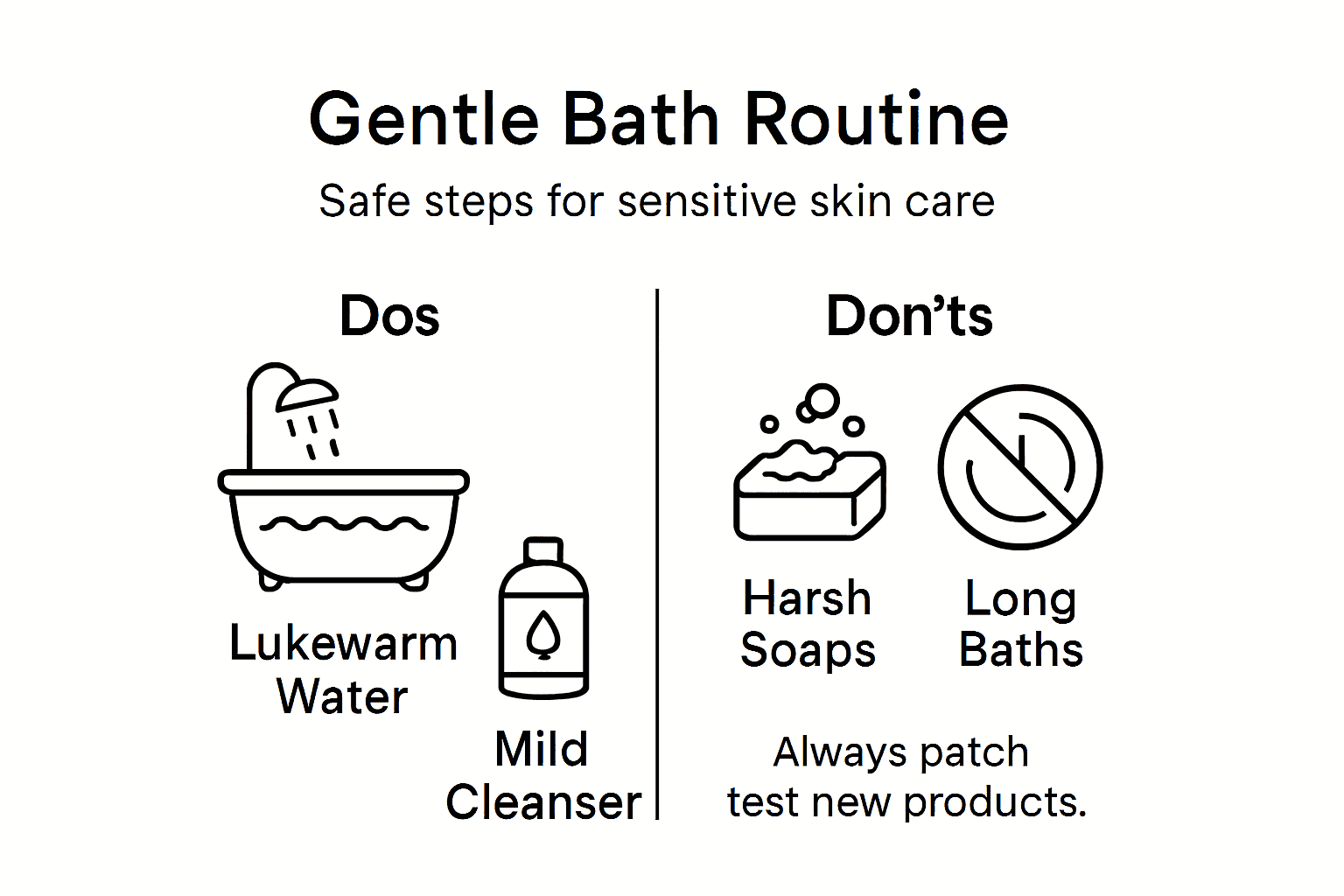
Pro tip: Create a bath routine checklist and laminate it near the bathing area to ensure consistent, gentle skin care every time.
Common Mistakes With Sensitive Skin Bath Care
Harvard Health research reveals that parents frequently make critical errors when bathing children with sensitive skin, potentially causing long-term irritation and discomfort.
Common mistakes in sensitive skin bath care include:
- Over-Bathing: Washing too frequently strips natural protective oils
- Hot Water Usage: Damages delicate skin barrier
- Harsh Soap Selection: Using antibacterial or heavily fragranced products
- Rough Towel Drying: Aggressive rubbing causes skin inflammation
- Delayed Moisturizing: Failing to hydrate immediately after bathing
Specific bathing mistakes that significantly impact skin health are:
- Using water temperatures above lukewarm
- Prolonged bathing sessions
- Applying multiple skincare products simultaneously
- Neglecting post-bath skin protection
- Ignoring individual skin sensitivity signals
Dermatological experts recommend understanding each child’s unique skin response and developing personalized care strategies. Recognizing individual triggers is crucial for preventing potential skin reactions.
Sensitive skin requires a thoughtful, minimalist approach to bathing and care.
Parents should approach bath time as a delicate process, prioritizing gentle techniques and minimal product interaction. Watching for subtle skin changes, maintaining consistent temperature, and using hypoallergenic products can transform bath time from a potential irritation source to a nurturing experience.
Pro tip: Create a detailed skin reaction journal to track specific triggers and patterns in your child’s sensitive skin responses.
Expert Tips: Choosing Products for Kids
Harvard Health experts recommend a strategic approach to selecting bath products that protect children’s sensitive skin while ensuring optimal hygiene and comfort.
Key considerations when choosing bath products for kids include:
- Age-Appropriate Formulations: Different skin needs at different developmental stages
- Hypoallergenic Certification: Minimizes potential allergic reactions
- Ingredient Transparency: Understand what touches your child’s skin
- Dermatologist-Tested Products: Scientifically validated safety
- Minimal Ingredient Lists: Fewer components mean lower risk of irritation
Experts suggest a comprehensive evaluation process for selecting bath products:
- Review ingredient lists carefully
- Conduct small patch tests
- Monitor skin reactions
- Consult pediatric professionals
- Update product selections as child grows
Educational resources emphasize the importance of understanding product ingredients and their potential impacts on children’s sensitive skin. Caregivers should approach product selection as an ongoing learning process, remaining adaptable and observant.
Informed product selection is the first line of defense in protecting sensitive skin.
Parents should prioritize products specifically designed for children’s delicate skin, avoiding harsh chemicals, artificial fragrances, and unnecessary additives. Consulting with healthcare professionals can provide personalized guidance tailored to individual skin sensitivities.
Pro tip: Create a dedicated skin care binder to track product ingredients, reactions, and successful treatments for your child’s unique skin needs.
Protect and Pamper Sensitive Skin with Gentle Bath Essentials
Sensitive skin in children requires careful attention to every detail of their bath routine. Choosing bath products that are fragrance-free, hypoallergenic, and rich in natural moisturizing ingredients makes all the difference in calming irritation and strengthening the skin barrier. Alongside the right products, selecting soft, gentle bath accessories helps maintain that protective layer and keeps bath time soothing rather than stressful.
Discover our Scallop Piping Towels | Luxury Cotton Bath Sets designed to be ultra-soft and gentle on delicate skin.

Elevate your child’s bath experience with thoughtfully crafted towels and robes that complement safe bath products. At Lotus Linen, our plush designs prioritize comfort and care for sensitive skin while adding a touch of elegant softness your family deserves. Visit Lotus Linen today and choose the perfect bath essentials that nurture skin and soothe the soul.
Frequently Asked Questions
What ingredients should I avoid in bath products for my child’s sensitive skin?
Avoid bath products containing formaldehyde-releasing preservatives, artificial fragrances, harsh detergents, sulfates, and parabens, as these can irritate sensitive skin and cause allergic reactions.
What characteristics should I look for in bath products for sensitive skin?
Choose bath products that are fragrance-free, hypoallergenic, mild, pH-balanced, and contain gentle ingredients to protect your child’s delicate skin barrier and minimize irritation.
How can I create a gentle bath routine for children with sensitive skin?
A gentle bath routine should include using lukewarm water, limiting bath duration to 5-10 minutes, using minimal hypoallergenic products, cleansing gently, and immediately applying moisturizer after bathing to lock in moisture.
What types of bath products are safest for children with sensitive skin?
Safe bath products include soap-free liquid cleansers, moisturizing bath oils, gentle unscented body washes, and emollient-rich shower gels. These products help maintain moisture and protect the fragile skin barrier.
Recommended
- 7 Sustainable Bath Linen Options for Eco-Conscious Living – Lotus Linen
- 7 Expert Tips for Smart Children’s Towel Choices – Lotus Linen
- How to Choose Bath Towels: Selecting the Perfect Luxe Towels – Lotus Linen
- Oeko-Tex Certification: Ensuring Safe, Luxe Textiles – Lotus Linen
- Healthy Natural Hair Products: Better Growth and Safety | MyHair
- Skin Therapy - Ozonated Olive Oil - Moisturiser - Global Healing – Oxyhealth

