
TL;DR:
- A bath retreat is a structured, self-guided experience that promotes deep relaxation through intentional water immersion and sensory disconnection. Regular practice provides measurable health benefits, including stress reduction, improved skin, and cardiovascular support. Consistent setup and a personalized robe enhance the ritual and help make it a lasting wellness habit.
A bath retreat is a structured, immersive bathing experience designed to promote deep relaxation, stress reduction, and physical restoration through warm water immersion and intentional sensory disconnection. Unlike a quick soak at the end of a long day, a bath retreat follows a deliberate sequence: controlled temperature, curated scents, minimal distractions, and enough uninterrupted time for the nervous system to fully downregulate. Clinical research on balneotherapy confirms that warm mineral water immersion lowers cortisol, reduces perceived stress, and eases muscle fatigue within a single 30-minute session. That science is exactly why bath retreats have moved from luxury spa menus into everyday wellness routines.
What is a bath retreat, and how does it differ from a spa or bathhouse?
A bath retreat is a program-driven, self-guided experience built around structured sequences of immersion, rest, and sensory calm. Retreats are designed for lasting physiological and behavioral change, not just immediate pampering. That distinction matters because it changes how you approach the experience entirely.
A spa visit is appointment-based. You book a service, a therapist delivers it, and you leave. The experience is passive and treatment-focused. A bath retreat, by contrast, puts you in control of the sequence, the pace, and the intention behind each element.
A bathhouse sits between the two. Modern bathhouses offer self-guided circuits of hot and cold immersion over 60–90 minutes, with no booked services and no fixed schedule. The communal, flexible format encourages nervous system regulation through repetition rather than a single treatment.
| Format | Structure | Setting | Primary goal |
|---|---|---|---|
| Bath retreat | Program-driven, self-guided | Home or dedicated retreat space | Long-term restoration and behavioral shift |
| Spa | Appointment-based, therapist-led | Commercial facility | Immediate relaxation and treatment |
| Bathhouse | Circuit-based, self-paced | Communal facility | Ongoing nervous system regulation |
The core difference is intention. A bath retreat asks you to show up with a plan, not just a desire to unwind.
What are the proven health benefits of bath retreats?
Balneotherapy, the clinical term for therapeutic bathing in mineral-rich water, produces measurable results. Repeated sessions over 16 weeks improve skin hydration and epidermal barrier function. That means your skin gets structurally stronger, not just temporarily softer.
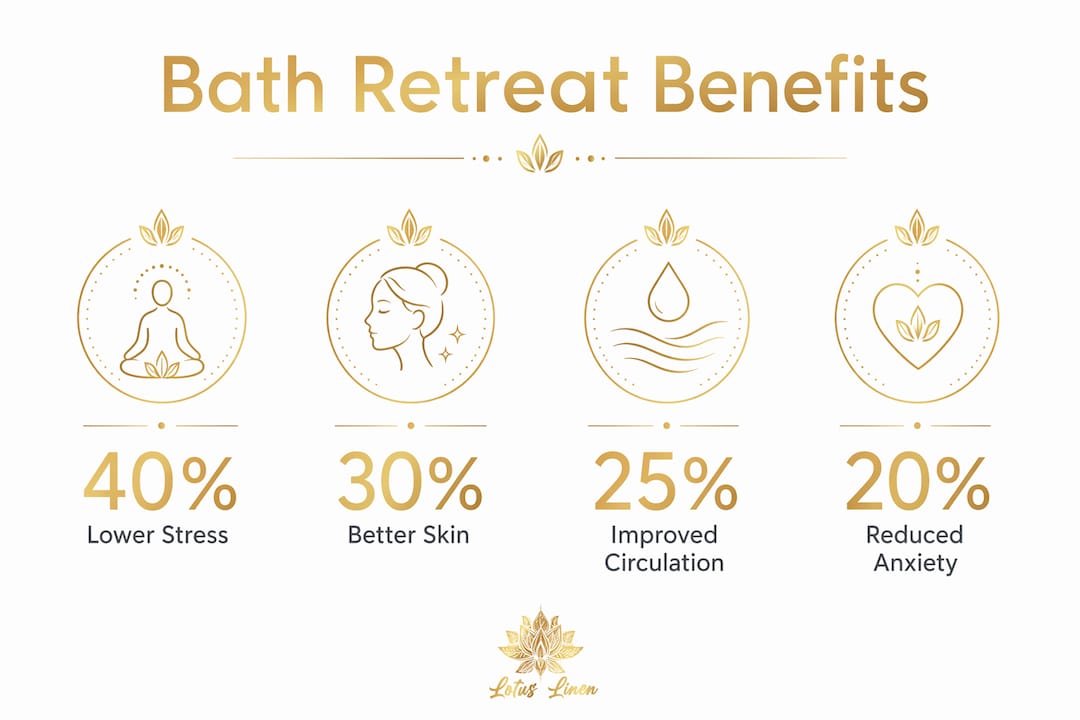
The mental health benefits are equally documented. Balneotherapy reduces salivary cortisol and perceived stress, with studies confirming reductions in anxiety and depression symptoms. Cortisol is the body’s primary stress hormone, so lowering it through a bath retreat has real downstream effects on sleep, mood, and immune function.
Cardiovascular health also responds to consistent thermal bathing. Domestic bathing shows improvements in arterial markers and glycemic control, placing it in the same category of low-cost health rituals as regular walking or meditation.
The psychological shift is worth naming separately. Bathing promotes a transition from a “doing” state to a “being” state. That shift is not metaphorical. It reflects a measurable change in nervous system activity, from sympathetic dominance (fight-or-flight) to parasympathetic recovery (rest-and-digest).
Key physiological benefits of regular bath retreats include:
- Cortisol reduction through warm mineral water immersion, confirmed in clinical balneotherapy studies
- Improved skin barrier function with consistent practice over weeks, not just one session
- Cardiovascular improvements, including better arterial elasticity and blood sugar regulation
- Muscle fatigue relief from heat-induced vasodilation and increased circulation
- Anxiety and depression reduction through sensory calm and nervous system downregulation
Pro Tip: Keep your bath between 20 and 30 minutes. Over-soaking beyond 45 minutes causes skin maceration and moisture loss, which reverses the hydration benefits you are trying to build.
How to create a bath retreat at home
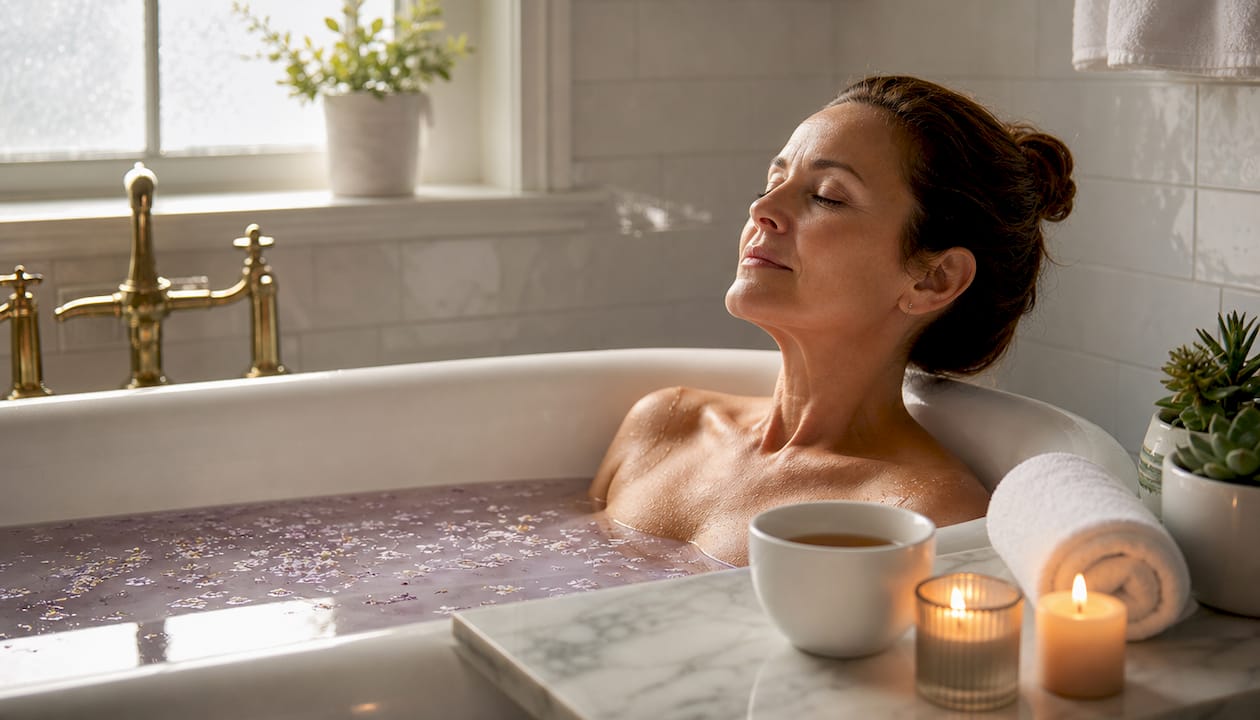
Creating a spa-worthy bath retreat at home does not require a renovation. It requires a sequence. The environment, the sensory inputs, and the absence of distraction all work together to signal to your brain that this time is different from a regular bath.
Set the sensory environment first
Lighting is the fastest lever. Swap overhead lights for candles or a dimmer setting. Warm light at low intensity signals the brain to reduce alertness. Add a single scent: eucalyptus for clarity, lavender for sleep, or bergamot for mood. A small Bluetooth speaker with ambient sound or instrumental music completes the sensory frame. For spa-inspired bathroom decor ideas that work in real bathrooms, not just design magazines, the principles are always the same: reduce visual clutter, add warmth, and control the smell.
Follow a deliberate sequence
A bath retreat works because of its structure. Here is a practical sequence that takes 45–60 minutes total:
- Prepare the space (5 minutes): Clear the counter, dim the lights, light a candle, and place your phone in another room or on airplane mode. Total sensory disconnection is not optional. It is the mechanism that makes the retreat work.
- Fill the bath with intention (5 minutes): Use water between 100°F and 104°F. Add mineral salts, such as Epsom or Dead Sea salts, for magnesium absorption and muscle relief. A few drops of essential oil on the water surface extend the aromatherapy effect.
- Soak for 20–30 minutes: Submerge to shoulder level. Breathe slowly. Let the heat do the work. Resist the urge to scroll or check messages.
- Exit and wrap immediately: This step is where most people lose the benefit. Stepping out into cold air breaks the parasympathetic state you just built. Wrap yourself in a plush robe from Shoplotuslinen the moment you leave the water. The warmth and softness extend the nervous system’s recovery window.
- Rest for 10–15 minutes: Lie down or sit quietly. Drink water. Let your body temperature normalize before returning to activity.
Add luxury elements that actually matter
Luxury bath retreat ideas are most effective when they serve the sensory goal, not just the aesthetic. Natural decor like river stones, eucalyptus branches, or a wooden bath tray adds visual calm without requiring expensive renovation. A waffle robe worn before the bath keeps you warm during preparation and feels lighter than a plush option if you run warm. Shoplotuslinen’s personalized robe options add a layer of intention to the ritual. When your name is embroidered on the robe, the object itself becomes part of the retreat’s identity.
Pro Tip: Apply a body oil or unscented moisturizer within 60 seconds of stepping out of the bath. Skin absorbs moisture most effectively when it is still slightly damp. This one step dramatically extends the skin hydration benefit of the soak.
How to make bath retreats a lasting wellness habit
A single bath retreat delivers real benefits. A consistent practice delivers transformation. The challenge is not motivation. It is friction. Most people skip their bath retreat because the setup feels like effort on a tired evening.
Bathhouses succeed at building regular habits because they remove decision fatigue. The circuit is already designed. You just show up. You can replicate that at home by pre-staging your retreat supplies: salts in a jar by the tub, candles already placed, a robe on the hook. When the setup takes under two minutes, the barrier disappears.
Frequency matters more than duration. A 25-minute bath retreat three times a week outperforms a 90-minute session once a month. The nervous system responds to repetition, not intensity. For a full guide on building daily bathroom relaxation into your routine, the principles of consistency and low friction apply across every method.
Combining a bath retreat with a short mindfulness or journaling practice after the soak amplifies the psychological benefit. The parasympathetic state you build in the water is the ideal mental condition for reflection, creative thinking, and emotional processing. Use it.
Key habits that make bath retreats stick:
- Pre-stage your supplies so setup takes less than two minutes on any given evening
- Schedule it like an appointment, not a reward you earn after finishing everything else
- Pair it with a post-bath ritual like journaling, light stretching, or herbal tea to reinforce the behavioral loop
- Track how you feel the morning after a bath retreat versus a night without one. The data from your own body is the most persuasive argument for consistency.
Key Takeaways
A bath retreat is a structured, science-backed bathing practice that delivers measurable stress reduction, skin improvement, and cardiovascular benefit when practiced consistently over time.
| Point | Details |
|---|---|
| Definition matters | A bath retreat is program-driven and self-guided, distinct from spa treatments or bathhouse circuits. |
| Clinical validation | Balneotherapy lowers cortisol and improves skin barrier function with repeated sessions over weeks. |
| Optimal soak time | 20–30 minutes delivers therapeutic benefit; beyond 45 minutes causes skin maceration and moisture loss. |
| Sensory disconnection | Placing devices out of reach is the mechanism that shifts the nervous system from doing to being. |
| Consistency beats intensity | Three short sessions per week produce more lasting benefit than one long monthly soak. |
Why I think the robe is the most underrated part of the ritual
People spend real money on bath salts, essential oils, and candles. Then they step out of the bath and grab a worn-out towel. That single moment breaks the entire experience.
I have watched this pattern repeat itself countless times, both in conversations with customers and in my own practice. The transition from water to air is physiologically significant. Your body temperature drops, your skin is at its most receptive, and your nervous system is still in recovery mode. What you wrap yourself in at that moment either extends the retreat or ends it.
A spa-quality robe is not a luxury add-on. It is a functional tool. The weight of a plush robe holds warmth against the body. The texture signals comfort to the skin. The act of putting it on becomes a ritual marker, a physical cue that tells your brain the retreat is not over yet.
I also believe that personalization matters more than people expect. When you have a robe with your name on it, or one chosen specifically for your body and preferences, the object carries meaning. That meaning reinforces the habit. You are not just grabbing something to dry off. You are completing a ritual that belongs to you.
The best bath retreat you will ever have is the one you actually do tonight. Start with what you have. Add one element at a time. And get a robe worth stepping into.
— Oguzhan
Shoplotuslinen robes designed for your bath retreat ritual
The moment you step out of a bath retreat, your robe becomes the final act of the ritual. Shoplotuslinen designs men’s spa-quality robes and women’s spa-worthy robes with that exact moment in mind. Plush robes wrap you in deep warmth for cooler evenings, while waffle robes offer a lighter, breathable option for warmer months. Every robe is available with in-house embroidery and personalization, so your retreat ritual carries your name. Shoplotuslinen ships from Santa Ana, CA, and serves both individual customers and wholesale hospitality accounts. If you are building a bath retreat practice worth keeping, the robe is where to start.
FAQ
What is a bath retreat exactly?
A bath retreat is a structured, self-guided bathing experience that combines warm water immersion with sensory disconnection and intentional relaxation to restore both mind and body. It differs from a regular bath by following a deliberate sequence rather than a casual soak.
How long should a bath retreat last?
The ideal soak time is 20–30 minutes for maximum therapeutic benefit. Soaking beyond 45 minutes causes skin maceration and moisture loss, which reduces the hydration benefits of the session.
What are the main benefits of bath retreats?
Bath retreats lower cortisol, reduce anxiety and depression symptoms, improve skin barrier function, and support cardiovascular health through consistent thermal bathing practice.
How often should you do a bath retreat?
Three sessions per week delivers more lasting nervous system benefit than one long monthly session. Consistency and low friction in the setup are the two factors that make the habit stick.
What do you need for a DIY bath retreat at home?
A DIY bath retreat requires warm water at 100°F–104°F, mineral salts, a single calming scent, dim lighting, no phone access during the soak, and a spa-quality robe to wrap in immediately after stepping out.

