
TL;DR:
- Plush loungewear features pile fabric construction, measured by GSM and pile density, for lasting softness and comfort. Its relaxed, stretch-knit designs allow versatile wear at home and casually outside, with careful care maintaining quality over time. Choosing fabrics like velour or minky correctly and prioritizing fit and construction ensure durable, spa-worthy loungewear suitable for everyday use.
Plush loungewear is clothing made from soft, dense pile fabrics combined with relaxed, wearable cuts designed for all-day comfort and casual style. The category sits at the intersection of tactile luxury and practical daily wear, defined not by a single fabric but by a specific construction method: pile weaving or knitting that creates a raised, velvety surface. Fabrics like velour, minky plush fleece, and sherpa are the technical foundation of this category. Shoplotuslinen builds its plush robe collections around exactly these principles, treating spa-worthy softness as a design standard rather than a marketing claim.
What defines plush loungewear at the fabric level?
Plush loungewear is built on pile fabric construction, which involves extra yarn loops woven or knitted into a base fabric, then cut or left intact to create a raised surface. This is fundamentally different from napped fabrics like flannel, which simply brush existing fibers upward from the base cloth. The distinction matters because pile fabrics deliver a denser, more durable softness that holds its texture through repeated wear and washing.
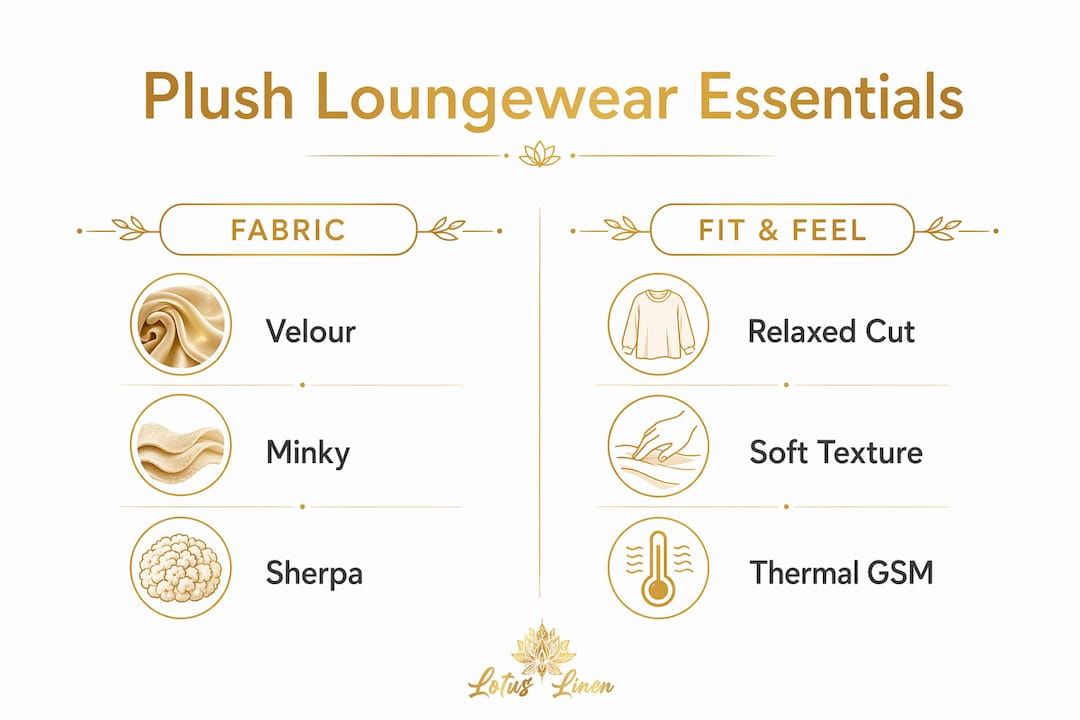
The three fabrics that define the plush loungewear category each work differently. Velour is a knitted pile fabric that resembles velvet but stretches, making it ideal for robes and relaxed garments. Cotton velour typically runs around 240 GSM, which gives it enough body to feel substantial without being heavy. Minky plush fleece is a 100% polyester microfiber knit with ultra-fine, densely packed fibers brushed to a silky surface, offering warmth with a lighter hand than velour. Sherpa mimics the texture of shearling, with a looped pile on one side and a smooth knit on the other, making it the warmest option in the group.
Pile height and density are the two variables that separate genuinely plush fabrics from those that simply carry the label. Shorter, denser piles feel velvety and smooth under the hand. Longer, looser piles feel shaggier and tend to mat faster with use. When you run your hand across a fabric and feel consistent resistance with no flat spots, that is a sign of even pile density. Uneven density is the most common indicator of lower-grade plush construction.
GSM, or grams per square meter, gives you a measurable proxy for weight and warmth. For plush loungewear, a GSM between 200 and 350 covers most use cases: lighter weights for year-round wear, heavier weights for cold-weather comfort. Anything marketed as plush below 180 GSM is likely a napped fabric or a loosely brushed knit rather than true pile construction.
Pro Tip: When shopping online, look for the specific fabric name (velour, minky, sherpa) rather than generic terms like “ultra-soft” or “cloud fabric.” If the product description does not name the pile construction, the softness claim is unverifiable.
Here is a quick reference for the three core plush fabrics:
| Fabric | Fiber content | Typical GSM | Best use |
|---|---|---|---|
| Cotton velour | Cotton or cotton blend | 220–280 | Robes, full-length loungewear |
| Minky plush fleece | 100% polyester microfiber | 180–260 | Lightweight sets, accessories |
| Sherpa | Polyester or acrylic | 280–400 | Cold-weather robes, outerwear |
How does garment design shape the comfort of plush loungewear?
Fabric alone does not define plush loungewear. Fit and construction are equally responsible for whether a garment actually delivers on its comfort promise. A plush fabric cut into a tight, structured silhouette defeats the purpose entirely. The defining design features of plush loungewear are stretch knit construction, relaxed but shaped cuts, and finishes that avoid chafing at seams and cuffs.
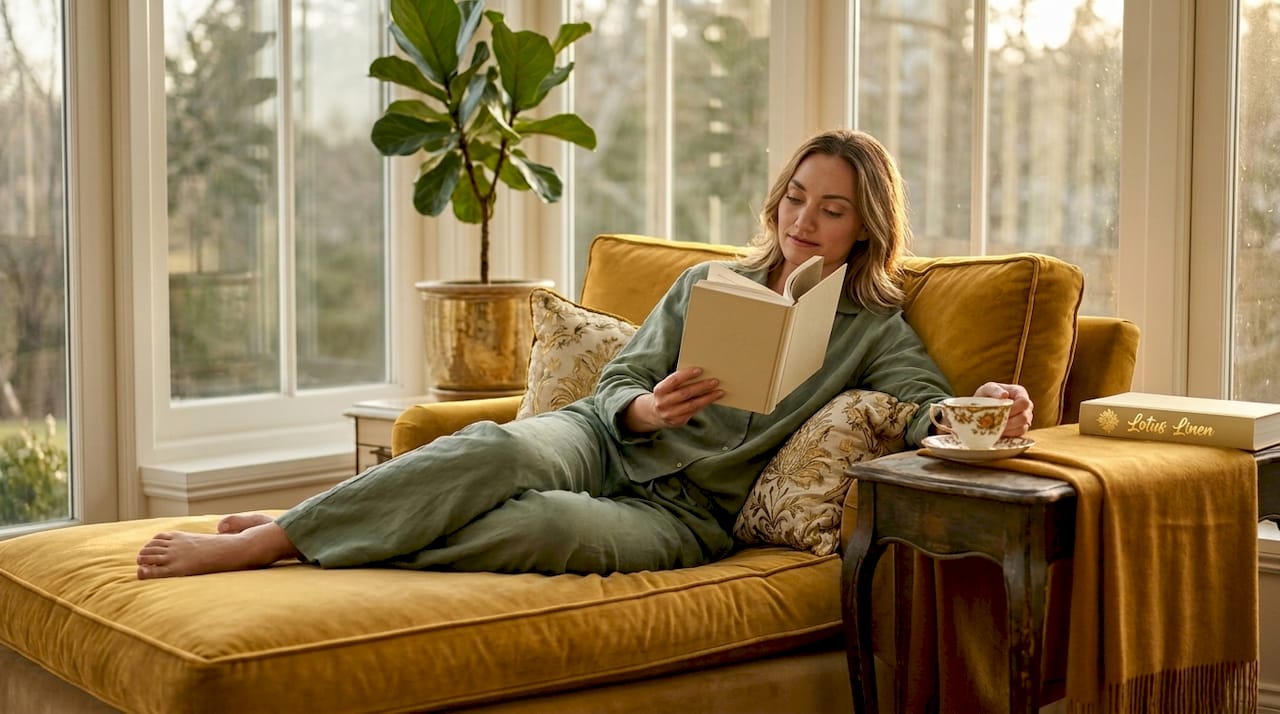
Plush loungewear occupies a distinct space between sleepwear and activewear, and that distinction shows up in the cut. Pajamas prioritize ease of movement during sleep, often with loose, unstructured shapes. Activewear prioritizes performance fit, with compression and moisture management. Plush loungewear, by contrast, blends softness with polish, using relaxed tailoring that looks intentional rather than sloppy. A well-designed plush set reads as casual daywear, not as something you threw on after waking up.
| Feature | Plush loungewear | Pajamas | Activewear |
|---|---|---|---|
| Fabric surface | Dense pile, velvety | Smooth or brushed | Technical knit |
| Silhouette | Relaxed, shaped | Loose, unstructured | Fitted, compressive |
| Appropriate for | Home and casual outings | Sleep only | Exercise and sport |
| Stretch | Moderate, comfort-focused | Minimal | High, performance-focused |
| Design finish | Clean, minimal | Functional | Technical details |
Color and surface design also play a role in versatility. Neutral tones like ivory, charcoal, and dusty rose in plush fabrics photograph well and transition from a morning at home to a quick errand without looking out of place. Busy prints or novelty graphics push a garment firmly into sleepwear territory. The most wearable plush loungewear keeps the design quiet and lets the fabric texture carry the visual interest.
Pro Tip: When choosing fit, size up one step in plush fabrics. Pile construction adds visual bulk, and a slightly relaxed fit will feel more comfortable over several hours of wear without looking oversized.
What are the real benefits of wearing plush loungewear daily?
The benefits of plush loungewear are physical, practical, and psychological, and they compound with daily use. On the physical side, minky plush fleece traps heat while allowing moisture to escape, which means you stay warm without overheating during sedentary activities like reading or working from home. This breathability advantage sets plush fabrics apart from heavier fleece options that can feel stifling after an hour indoors.
The practical case for plush loungewear is strongest for people who spend significant time at home. Working remotely, running light errands, or hosting friends casually all call for clothing that looks considered without requiring effort. Plush loungewear fills that gap in a way that neither pajamas nor jeans can. You can explore how loungewear supports self-care routines in more depth, but the short version is that what you wear at home directly affects how you feel and how productive you are.
Here are the specific scenarios where plush loungewear outperforms other categories:
- Morning routines: The softness of velour or minky against skin during the first hour of the day sets a calm, unhurried tone.
- Work-from-home days: A plush set looks polished enough for video calls while staying comfortable through a full workday.
- Post-workout recovery: The gentle texture of plush fabric soothes skin after exercise without the roughness of terry cloth.
- Evening wind-down: Changing into plush loungewear signals to your body that the active part of the day is over, supporting relaxation.
- Casual hosting: Guests at home or a quick trip to a neighbor’s house calls for something more intentional than pajamas but less formal than jeans.
- Travel comfort: Plush sets pack well and provide warmth on flights or in hotel rooms without taking up excessive luggage space.
The psychological benefit is harder to measure but real. Wearing clothing that feels spa-worthy at home raises the perceived quality of ordinary moments. That is not a trivial outcome. It is why the plush robe benefits conversation has expanded well beyond hospitality into everyday personal care.
How to choose and care for plush loungewear
Selecting plush loungewear that holds up over time requires looking past the initial in-store or on-screen impression. The true measure of plush quality is not how the fabric feels at first touch but how that softness endures through movement and repeated washing. A garment that pills after three washes or mats flat after a month of wear was never genuinely plush to begin with.
Follow these steps when evaluating a plush loungewear purchase:
- Identify the fabric by name. Velour, minky, and sherpa are specific constructions with known performance profiles. “Soft fleece” or “cloud knit” are marketing descriptions, not fabric specifications.
- Check the GSM. For robes and full sets, 220 GSM or above signals enough pile density for lasting softness. Lightweight sets can work at 180 GSM if the fiber quality is high.
- Assess pile density by touch. Press your palm flat against the fabric and drag it slowly. Even resistance with no thin spots indicates consistent pile construction.
- Read the care label before buying. Pile fabrics behave directionally and can change appearance with washing. Fabrics requiring dry cleaning only are impractical for daily loungewear.
- Wash inside out on a gentle cycle. Cold water and low-heat drying preserve pile height and prevent matting. High heat is the primary cause of plush fabric degradation.
- Store folded, not hung. Hanging plush garments on a hanger stretches the knit base over time and distorts the silhouette.
Pro Tip: Before committing to a full set, order a single piece and wash it twice at home. If the pile remains even and the fabric does not shed excessively after two washes, the construction quality is solid enough for regular wear.
For a direct comparison of plush versus other fabric types in robe construction, the waffle vs. plush robe breakdown from Shoplotuslinen covers the trade-offs clearly.
Key takeaways
Plush loungewear is defined by pile fabric construction, measured by GSM and pile density, and made wearable by relaxed, stretch-knit garment design.
| Point | Details |
|---|---|
| Pile construction is the defining feature | Velour, minky, and sherpa use raised yarn loops that create true plush texture, unlike brushed napped fabrics. |
| GSM and pile density signal quality | Look for 200 GSM or above and even pile resistance to identify fabrics that will hold their softness over time. |
| Design separates loungewear from sleepwear | Relaxed but shaped cuts and neutral finishes make plush loungewear appropriate for home and casual outings. |
| Breathability extends daily wearability | Minky plush fleece traps warmth while releasing moisture, making it comfortable for extended sedentary wear. |
| Care determines longevity | Cold-water washing, low-heat drying, and folded storage preserve pile height and prevent matting. |
Why I think most people are buying plush loungewear wrong
Most people choose plush loungewear the same way they choose a candle: they smell it in the store and decide on the spot. That first-touch softness is real, but it tells you almost nothing about how the fabric will perform in three months. I have handled hundreds of fabric samples at Shoplotuslinen, and the ones that feel the most dramatically soft at first contact are often the ones that mat the fastest. The reason is simple: very long pile fibers create that initial wow factor, but they also have more surface area to tangle and compress with friction.
The fabrics I trust most are the ones with shorter, denser pile constructions, specifically cotton velour and quality minky. They feel less theatrical at first touch but stay consistent through dozens of washes. When someone tells me their plush robe “lost its softness,” I already know they bought something with a long, loose pile and no pile density to back it up.
There is also a design conversation that most people skip entirely. Plush loungewear that fits well looks intentional. It reads as self-care rather than giving up. That distinction matters more than people admit, especially for anyone working from home or spending long stretches in their living space. The luxury loungewear conversation is really about designing your home environment to support how you want to feel, and what you wear is a significant part of that.
My honest recommendation: treat your plush loungewear purchase the way you would treat a good skincare product. Read the ingredients, understand what you are actually buying, and invest in something that performs consistently rather than something that impresses once.
— Oguzhan
Discover Shoplotuslinen’s plush robe collections
If this article has clarified what to look for in plush fabric and design, the next step is finding pieces that actually deliver on those standards.
Shoplotuslinen’s plush robe collection is built around the same principles covered here: verified pile construction, spa-worthy softness that holds through regular washing, and relaxed silhouettes that work for morning routines, post-shower wind-downs, and everything in between. The collection includes options for women and men, with personalization available for gifting or adding a custom touch to your own self-care routine. If you want to experience what genuinely spa-worthy plush fabric feels like at home, this is where to start.
FAQ
What is the difference between plush and regular loungewear?
Plush loungewear uses pile fabric constructions like velour, minky, or sherpa that create a raised, velvety surface. Regular loungewear typically uses smooth or lightly brushed knits without the dense pile that defines the plush category.
What fabric is best for plush loungewear?
Cotton velour and minky plush fleece are the two most practical options. Cotton velour offers durability and natural breathability, while minky plush fleece provides lightweight warmth with a silky surface feel.
How do I know if plush loungewear is good quality?
Check for a named pile fabric (velour, minky, sherpa), a GSM of 200 or above, and even pile density with no thin spots when you press and drag your palm across the surface. Pile density and fiber fineness are more reliable quality indicators than initial softness alone.
Can plush loungewear be worn outside the home?
Yes. Plush loungewear with relaxed tailored cuts and neutral colors is appropriate for light errands, casual visits, and travel. The key is choosing pieces with a polished silhouette rather than loose, unstructured shapes that read as sleepwear.
How should I wash plush loungewear to keep it soft?
Wash inside out on a gentle cycle with cold water and dry on low heat. Pile fabrics change with washing and high heat is the primary cause of matting and texture loss in plush garments.

