
Over 85 percent of American households experience some level of water hardness, an issue that often slips under the radar until laundry day leaves linens feeling rough and colors fading. The mineral content in your tap water can quietly undermine the softness and durability of those premium textiles your family relies on for everyday comfort. This guide breaks down exactly how water hardness affects linen quality and what eco-conscious families can do to ensure lasting softness no matter where you live.
Table of Contents
- What Is Water Hardness And Why It Matters
- Types Of Water Hardness Affecting Linens
- How Minerals Impact Softness And Appearance
- Signs Your Linen Suffers From Hard Water
- Eco-Friendly Strategies For Protecting Linen Quality
- Common Mistakes To Avoid With Linen Care
Key Takeaways
| Point | Details |
|---|---|
| Understanding Water Hardness | Water hardness affects fabric care, with higher mineral content leading to more soap usage and potential damage to linens. |
| Impact on Laundry | Hard water can cause discoloration, stiffness, and reduced absorbency in fabrics over time, affecting textile longevity. |
| Eco-friendly Practices | Employing strategies like cold water washing and biodegradable detergents can preserve linen quality and reduce environmental impact. |
| Avoiding Common Mistakes | Overloading machines and using harsh chemicals can harm fabrics; mindful care leads to better preservation of linen quality. |
What is water hardness and why it matters
When we talk about water quality in our homes, water hardness is a critical factor that impacts everything from laundry performance to appliance longevity. Water hardness refers to the concentration of dissolved calcium and magnesium minerals present in your water supply. These microscopic mineral compounds determine how your water interacts with soap, cleaning products, and household surfaces.
Understanding water hardness matters because it directly influences your daily life. Water quality experts classify water hardness into four primary categories: soft, moderately hard, hard, and very hard. Each classification represents different mineral concentration levels that can create unique challenges for household maintenance. Hard water requires more soap to create lather, causes spotting on glassware, creates scale buildup in pipes and appliances, and can potentially reduce the lifespan of water-dependent systems.
For families concerned about fabric care, water hardness becomes especially significant. The mineral content can interact with laundry detergents, potentially leaving residue on clothing, towels, and linens. This interaction can gradually degrade fabric quality, reduce softness, and cause colors to appear dull over time. By understanding your water’s mineral composition, you can take proactive steps to protect your textiles and maintain their pristine condition.
Pro tip: Consider getting a simple water hardness test kit to determine your home’s specific mineral levels, which will help you choose the most appropriate water treatment solutions for your family’s needs.
Types of water hardness affecting linens
Understanding the different types of water hardness is crucial for maintaining the quality and longevity of your family’s linens. Water hardness classifications range from soft to very hard, each presenting unique challenges for textile care. The primary determinant of water hardness is the concentration of dissolved calcium and magnesium minerals, which can significantly impact how fabrics look, feel, and wear over time.
Water hardness is typically categorized into four primary levels:
- Soft Water: Contains 0-60 milligrams of minerals per liter
- Moderately Hard Water: 61-120 milligrams of minerals per liter
- Hard Water: 121-180 milligrams of minerals per liter
- Very Hard Water: Over 180 milligrams of minerals per liter
Total hardness measurements reveal how these mineral concentrations can dramatically affect fabric performance. In soft water environments, linens typically maintain their softness and color vibrancy. As water hardness increases, the potential for mineral buildup rises, leading to gradual fabric degradation. Hard water can cause whites to become dingy, colors to fade more quickly, and create a stiff, rough texture in towels and clothing.
Here’s a quick reference guide to water hardness levels and their effects on linens:
| Hardness Level | Mineral Content (mg/L) | Linen Impact | Recommended Response |
|---|---|---|---|
| Soft Water | 0-60 | Maintains softness | Standard detergent usage |
| Moderately Hard | 61-120 | Mild buildup risk | Use fabric softener |
| Hard Water | 121-180 | Noticeable stiffness | Add water conditioner |
| Very Hard Water | Over 180 | Accelerates wear | Pre-treat and test regularly |
Pro tip: Invest in a water hardness testing kit to accurately determine your home’s mineral levels, allowing you to select targeted fabric care strategies that protect your linens from mineral-related wear and tear.
How minerals impact softness and appearance
Water hardness minerals create a complex chemical interaction that directly impacts the texture and quality of your linens. Calcium and magnesium ions fundamentally alter how fabrics respond to washing, creating subtle but significant changes in softness, color retention, and overall fabric performance. These microscopic mineral compounds essentially act like invisible agents that can transform your textiles from plush and vibrant to stiff and lackluster.
The mineral interactions occur at a microscopic level, with each washing cycle potentially leaving behind residual deposits. In high mineral content water, detergents struggle to fully dissolve, leading to a gradual buildup that affects fabric fibers. This process can cause multiple specific issues:
- Reduced fabric flexibility
- Increased fabric stiffness
- Color dulling and fading
- Potential fiber degradation over time
Mineral content research reveals that different water hardness levels create varying degrees of fabric deterioration. Soft water allows detergents to work more effectively, maintaining fabric integrity and softness. Conversely, very hard water can accelerate fabric aging, causing linens to feel rough, look worn, and lose their original luxurious texture much faster than in lower mineral environments.
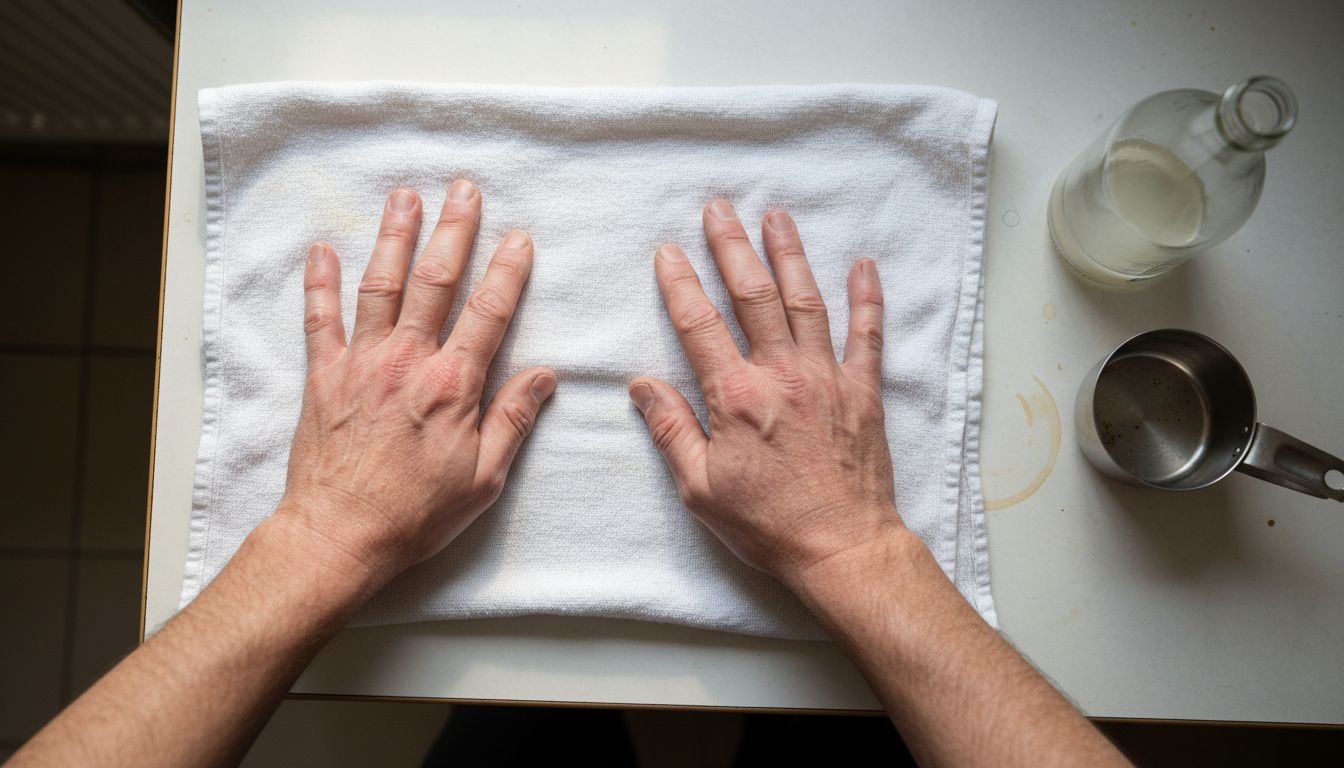
Pro tip: Consider using white vinegar in your rinse cycle to help neutralize mineral buildup and restore your linens’ natural softness and brightness.
Signs your linen suffers from hard water
Linen degradation from hard water manifests through several telltale signs that go beyond simple visual appearance. Homeowners should be vigilant about subtle changes in fabric texture, color, and overall performance. These indicators reveal the progressive impact of mineral buildup on your cherished textiles, signaling the urgent need for targeted water treatment strategies.
The most common signs of hard water damage include:
- Fabric Stiffness: Linens feel crisp and rough instead of soft and supple
- Discoloration: Whites turning dingy gray or yellow
- Rapid Wear: Unexpected thinning or accelerated fabric deterioration
- Persistent Soap Residue: Visible streaks or film after washing
- Reduced Absorbency: Towels losing their ability to effectively dry
Hard water symptoms extend beyond visual cues, impacting the fundamental performance of your fabrics. The mineral deposits create microscopic changes in fabric fibers, gradually compromising their structural integrity. Repeated washing in hard water essentially acts like sandpaper, slowly breaking down textile fibers and reducing the longevity of your most treasured linens. Colors become less vibrant, textures less inviting, and the overall sensory experience of your fabrics diminishes with each mineral-laden wash cycle.
Pro tip: Conduct a simple white towel test by washing a white towel in your regular cycle and checking for grayish or yellowish discoloration to quickly assess your water’s mineral content.
Eco-friendly strategies for protecting linen quality
Sustainable textile practices represent a crucial approach to preserving both fabric quality and environmental integrity. Eco-conscious families can adopt multiple strategies that simultaneously protect their linens and minimize ecological impact. These methods focus on reducing chemical usage, optimizing washing techniques, and extending the overall lifespan of textile products through intelligent care practices.
Key eco-friendly linen care strategies include:
- Cold Water Washing: Reduces energy consumption and prevents fabric stress
- Biodegradable Detergents: Minimize chemical pollution and protect fabric fibers
- Natural Fabric Softeners: Use white vinegar or wool dryer balls instead of chemical alternatives
- Gentle Drying: Air dry when possible to reduce energy use and fabric wear
- Minimal Washing: Implement spot cleaning and strategic laundering to reduce overall textile stress
Sustainable laundering protocols emphasize the importance of thoughtful textile maintenance. By understanding how washing practices impact both fabric quality and environmental sustainability, families can develop comprehensive care routines that protect their linens while reducing their carbon footprint. Selecting the right water temperature, using concentrated eco-friendly detergents, and implementing strategic washing techniques can dramatically extend the life of your textiles.
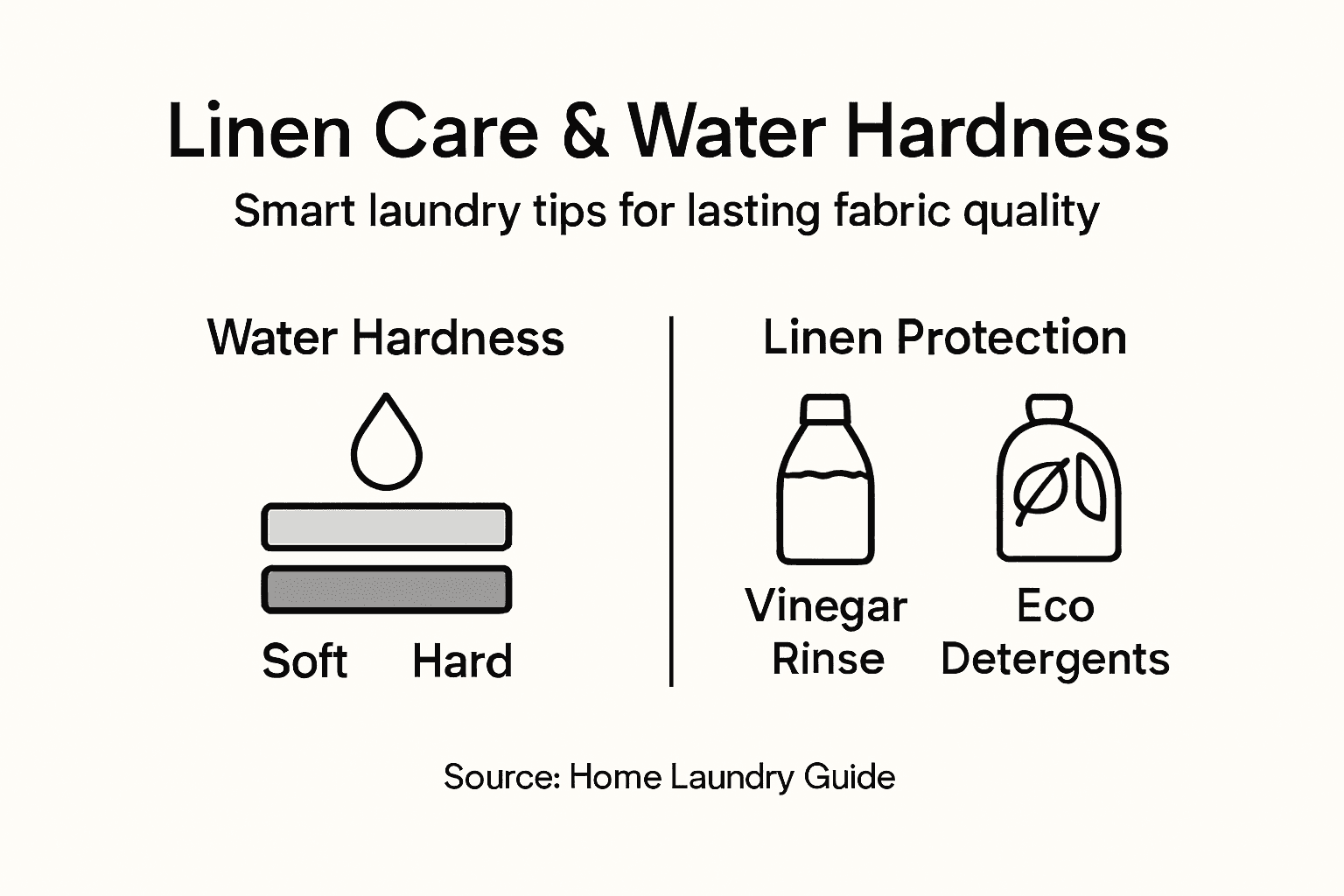
Compare common eco-friendly linen care strategies and their benefits:
| Strategy | Environmental Benefit | Linen Benefit |
|---|---|---|
| Cold Water Washing | Saves energy, less emissions | Less shrinkage, preserves color |
| Biodegradable Detergent | Reduces wastewater pollution | Gentle on fabric fibers |
| Air Drying | Zero energy use | Minimizes heat damage |
| Microfiber Laundry Bag | Prevents microplastic release | Protects fabric during wash |
Pro tip: Invest in a microfiber catching laundry bag to prevent microplastic shedding and protect both your linens and waterways during washing.
Common mistakes to avoid with linen care
Linen care mistakes can dramatically reduce the longevity and quality of your favorite textiles. Many families unknowingly damage their linens through seemingly harmless practices that accumulate wear and tear over time. Understanding these common pitfalls is the first step toward preserving the softness, color, and structural integrity of your household fabrics.
Key mistakes to avoid in linen maintenance include:
- Overloading Washing Machine: Prevents proper cleaning and increases fabric stress
- Using Harsh Chemical Bleaches: Weakens fabric fibers and causes premature aging
- Incorrect Water Temperature: Can cause shrinkage, color fading, and fiber damage
- Ignoring Fabric Care Labels: Leads to inappropriate washing techniques
- Excessive Drying Heat: Breaks down textile fibers and reduces fabric elasticity
Textile handling protocols emphasize the importance of careful maintenance. Each washing cycle represents an opportunity to either preserve or potentially damage your linens. Understanding the nuanced interactions between water, detergents, and fabric fibers can help you develop a more thoughtful approach to textile care. By avoiding common mistakes and implementing strategic laundering techniques, you can significantly extend the life and quality of your household linens.
Pro tip: Create a dedicated linen care station with gentle detergents, soft brushes for spot cleaning, and clear instructions for different fabric types to minimize inadvertent damage.
Protect Your Linens from Hard Water Damage with Premium Care
Hard water challenges like fabric stiffness, discoloration, and reduced softness can take a serious toll on your favorite linens. If you want to maintain luxurious texture and vibrant colors despite mineral buildup, choosing the right towels and laundering strategies is essential. At Lotus Linen, we understand the importance of protecting fabric quality while enjoying everyday comfort.
Scallop Piping Towels | Luxury Cotton Bath Sets – Lotus Linen offer softness and durability designed to stand up better to the effects of hard water mineral deposits.

Elevate your linen care routine by selecting towels built for lasting freshness and softness. Visit https://shoplotuslinen.com today and explore our Scallop Piping Towel Set | Lotus Linen collection to start protecting your fabrics from mineral wear now. Don’t wait until hard water robs your linens of their comfort and vibrancy. Act now to bring spa-level quality and resilience into your home.
Frequently Asked Questions
What is water hardness and why is it important for linen care?
Water hardness refers to the concentration of dissolved minerals, primarily calcium and magnesium, in your water supply. It is important for linen care because hard water can lead to fabric stiffness, discoloration, and overall reduced quality of your linens over time.
How can I identify if my water is hard and affecting my linens?
You can identify hard water by looking for signs such as fabric stiffness, discoloration of whites, rapid wear, persistent soap residue, and reduced absorbency in towels. Conducting a simple towel test or using a water hardness test kit can provide more specific information.
What are some eco-friendly strategies to protect linen quality in hard water?
Eco-friendly strategies include washing linens in cold water to conserve energy, using biodegradable detergents, air drying your linens, minimizing washing frequency, and using natural fabric softeners like white vinegar or wool dryer balls to combat mineral buildup.
What common mistakes should I avoid when caring for my linens to minimize hard water damage?
Common mistakes include overloading the washing machine, using harsh chemical bleaches, ignoring proper water temperature settings, and excessive drying heat. It’s important to follow fabric care labels and avoid practices that can lead to premature aging of your linens.
Recommended
- How to Choose Bath Towels: Selecting the Perfect Luxe Towels – Lotus Linen
- What Is Terry Cloth? Guide to Cozy, Stylish Choices 2025 – Lotus Linen
- Luxury Linen Maintenance Guide 2025: Care Tips for Every Home – Lotus Linen
- How to Spot Luxury Linen: Easy Tips for Smart Shoppers – Lotus Linen
- Why Choose Soft Wash Roof Cleaning? Key Advantages Explained – white-diamond-pressure

