
TL;DR:
- Upcycling old bath linens turns worn textiles into functional or decorative items, reducing textile waste. Proper preparation, such as strip washing and finishing cut edges, is essential for durable, stylish projects like mats, rugs, and cloths. Recycling or donating damaged towels prevents landfill overflow and supports environmental sustainability.
Upcycling old bath linens is the practice of transforming worn or frayed textiles into new, functional, or decorative items rather than discarding them. The textile industry generates enormous waste, and your bathroom is one of the most overlooked sources of salvageable fabric in any home. Old towels carry dense terry cloth loops, strong absorbency, and soft texture that make them ideal raw material for dozens of projects. Shoplotuslinen believes that every textile deserves a second life, and this guide gives you the tools, techniques, and project ideas to make that happen with intention and style.
What tools do you need before upcycling old bath linens?
Good preparation separates a project that lasts from one that falls apart after two washes. Gather your tools before you cut a single thread.
Essential tools for bath linen DIY projects:
- Scissors and pinking shears. Standard scissors handle straight cuts. Pinking shears cut a zigzag edge that slows fraying on terry cloth significantly.
- Sewing machine. Not required for every project, but a basic machine opens up reusable paper towels, bath mats, and bath mitts.
- Hand sewing needles and thread. Use a heavy-duty needle. Terry cloth is thick and will bend or break a standard needle.
- Snap kits. Metal or plastic snaps connect reusable paper towels into a roll. A snap press tool makes installation fast and clean.
- Interfacing. Iron-on interfacing reinforces the fabric behind each snap point. Without it, the snap tears through the towel fiber over time.
- Measuring tape and fabric chalk. Accurate cuts produce cleaner finished items.
Fabric preparation: the step most people skip
Strip washing removes detergent, fabric softener, and mineral buildup from old towels, restoring softness and absorbency before you cut. Buildup causes a stiff, crusty feel that makes the finished item unpleasant to use. To strip wash, fill a bathtub with hot water, add a small amount of washing soda and borax, and soak the towels for four to six hours. Rinse thoroughly and dry without softener.
After washing, pulling the raw edges of cut towel pieces encourages the terry cloth loops to roll inward, which prevents chronic unraveling. Combine this with a zigzag stitch or pinking shears on any cut edge for the best results.
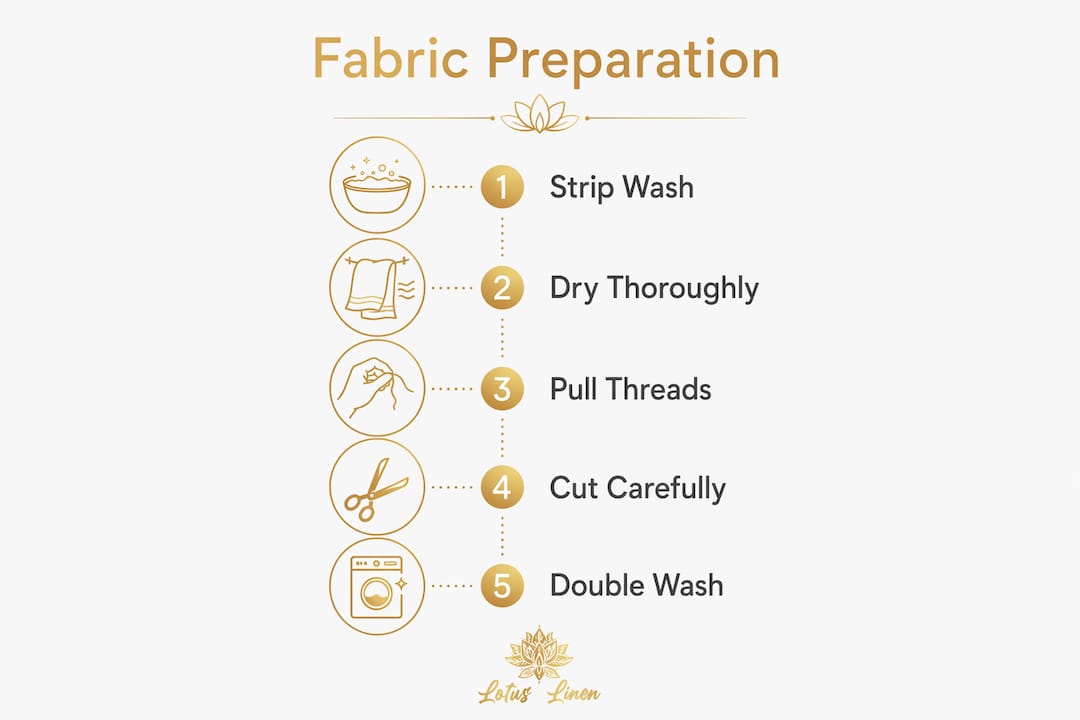
Pro Tip: Wash old towels twice before cutting. The first wash removes surface residue. The second confirms the fabric is fully restored and shows you exactly how the material behaves when wet.
You do not need advanced sewing skills for most projects. No-sew projects require only scissors and basic folding. Simple sewing projects need straight stitches only. Advanced projects like quilted bath mats benefit from a sewing machine but remain accessible to beginners.
What are the best DIY projects for repurposing old towels?
The range of projects spans from five-minute no-sew tasks to weekend crafts. The key is matching the project to the condition and size of the towel you have.
No-sew projects (15 minutes or less)
1. Draft stoppers. Roll a full-length towel tightly and tuck it against a drafty door. Fold the ends under to keep the roll tight. No cutting required.
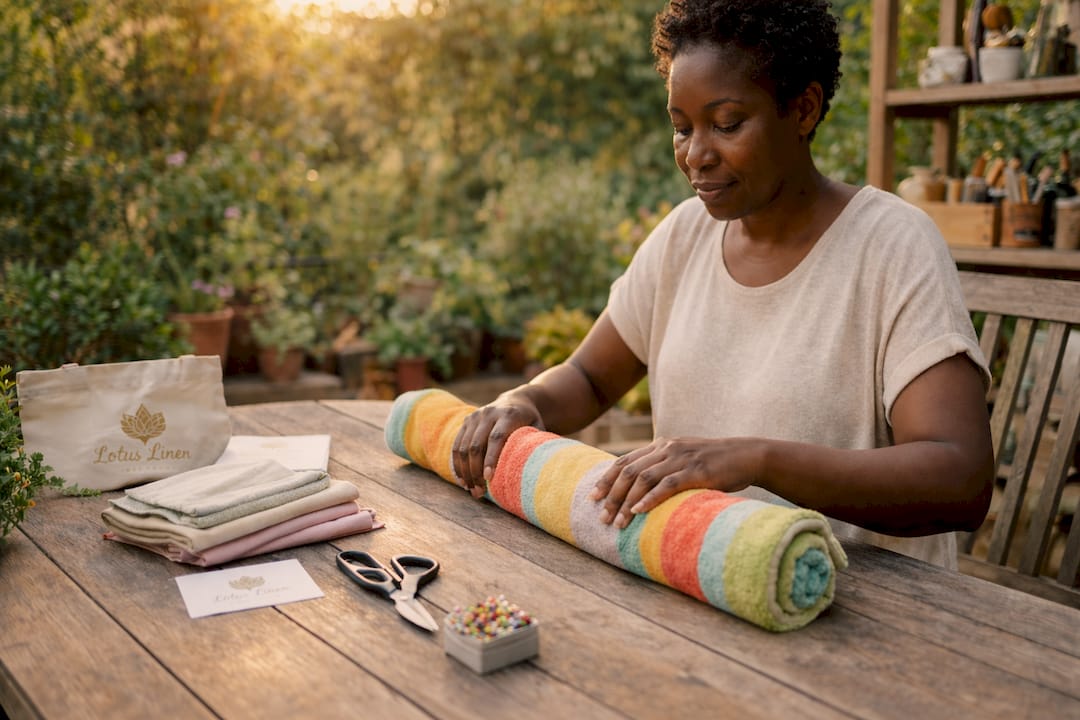
2. Pet towels and cleaning rags. Cut old towels into quarters. Fold them thoughtfully into thirds to create a deliberate, spa-worthy shape rather than a random scrap. These work for drying pets, wiping counters, and cleaning floors.
3. Folded bath mats. Stack two or three old towels, fold each in thirds lengthwise, and layer them for a thick, cushioned mat. This technique creates a functional, spa-worthy mat for a guest or kids’ bathroom without a single stitch.
Simple sewing projects (1–3 hours)
4. Reusable paper towels with snaps. Cut towel fabric into 8.5x11-inch squares. Attach metal snaps at the corners so the squares connect into a roll. Interfacing under each snap point is critical to prevent tearing. The project costs roughly $15 for snap kits and any additional fabric needed. You get a reusable roll that replaces single-use paper towels entirely.
5. Braided rug. Cut towels into long strips about two inches wide. Braid three strips together and coil the braid into a flat oval, stitching as you go. A single large towel produces a small accent rug. Three towels make a full bath mat.
Advanced projects (half day or more)
6. Quilt-as-you-go bathroom rug. This method uses 4–5 old towels plus a base sheet measuring approximately 35.5x23.5 inches. Cut towels into squares or strips, layer them onto the base, and stitch each piece down as you go. Varied towel colors create a patchwork design that looks intentional, not improvised.
7. Bath mitts and exfoliating pads. Cut two identical mitt shapes from a towel, sew around the edges with a half-inch seam, and leave the wrist open. These make excellent gifts. For makeup remover pads, cut small circles and sew two layers together with a zigzag edge.
Pro Tip: Design with intention. Choose towels with complementary colors, trim edges cleanly, and fold or finish seams neatly. Intentional design is what separates a spa-worthy repurposed item from a pile of scraps.
| Project | Skill level | Time needed | Materials |
|---|---|---|---|
| Folded bath mat | None | 5 minutes | 2–3 old towels |
| Reusable paper towels | Beginner sewing | 1–2 hours | Towel, snaps, interfacing |
| Braided rug | Beginner sewing | 2–3 hours | 3 old towels, thread |
| Quilt-as-you-go rug | Intermediate | 4–6 hours | 4–5 towels, base sheet |
| Bath mitts | Intermediate | 1–2 hours | 1 towel, thread |
For broader upcycling inspiration beyond bath textiles, creative upcycling ideas from the fashion world apply many of the same cutting and finishing principles.
How do you fix common problems in towel upcycling?
Even careful projects run into issues. Knowing the fix before it happens saves time and frustration.
Common problems and solutions:
- Fraying edges. Terry cloth unravels quickly after cutting. Pull the raw edge threads to encourage rolling, then finish with a zigzag stitch or pinking shears. This combination holds up through repeated washing.
- Stiff or crusty fabric. This is almost always detergent and mineral buildup. A strip wash before cutting solves the problem at the source. Do not skip this step on older towels.
- Snaps tearing through fabric. Interfacing under snap corners distributes the stress across a wider area of fabric. Without reinforcement, metal snaps pull free after a dozen uses.
- Uneven braided rugs. Keep strip widths consistent. Cut all strips before braiding and measure each one. Inconsistent widths create lumps that make the rug curl at the edges.
Pro Tip: Check your bath linen hygiene practices before deciding which towels to upcycle. Towels with mold or persistent odor after washing should be recycled, not repurposed for skin contact items.
Old towels lose their display softness over time, but their absorbency and texture remain excellent for cleaning tasks and craft projects despite minor wear.
Maintenance extends the life of every upcycled item. Wash reusable paper towels and bath mats in warm water without fabric softener. Softener coats the terry fibers and reduces absorbency. Air dry when possible to preserve the snap hardware and fabric structure.
What is the environmental impact of upcycling bath linens?
Textile waste is a serious and underreported problem. About 85% of textiles could be donated or recovered rather than sent to landfills. That figure shows how much value gets discarded every year through habit alone.
When you upcycle a towel into a bath mat or a set of reusable cleaning cloths, you extend the textile’s life by years. That directly reduces the demand for new fiber production, which requires water, energy, and chemical processing. Keeping textiles in use also reduces microplastic pollution, since synthetic fibers shed microplastics in landfills and waterways.
For towels that are too worn to upcycle, responsible disposal matters. Old textiles must never go into curbside recycling bins. They jam and damage sorting machinery at recycling facilities. Take them to a specialized drop-off location instead.
| Disposal option | Best for | Where to find |
|---|---|---|
| Upcycle at home | Towels with usable fabric | This guide |
| Donate to shelters | Clean, intact towels | Local animal shelters, homeless shelters |
| Textile drop-off bins | Worn but clean towels | H&M, TerraCycle, municipal drop-off sites |
| Industrial recycling | Heavily worn or stained | Specialized textile recyclers |
For a full list of bath linen donation ideas, Shoplotuslinen has a dedicated guide covering shelters, textile programs, and eco-friendly giving options. Roughly 30% of donated textiles become industrial wiping cloths, and 20% become insulation and carpet padding fiber. That means even a towel too worn to use at home still has a productive second life.
Key Takeaways
Upcycling old bath linens reduces textile waste, saves money, and produces functional spa-worthy items when approached with the right preparation, tools, and design intent.
| Point | Details |
|---|---|
| Strip wash before cutting | Remove detergent and mineral buildup to restore softness and absorbency before any project. |
| Finish every cut edge | Use pinking shears or zigzag stitches to prevent terry cloth from unraveling after washing. |
| Reinforce snap points | Iron-on interfacing under each snap prevents tearing and extends the item’s usable life. |
| Design with intention | Consistent colors, clean seams, and neat folds turn scraps into spa-worthy finished pieces. |
| Dispose responsibly | Never put textiles in curbside recycling. Use drop-off programs or donate to shelters instead. |
Why I think most people underestimate what an old towel can do
Most people toss a fraying towel without a second thought. I understand that impulse. When something looks worn, it feels done. But terry cloth is one of the most durable woven structures in your home. The loops that make it soft also make it resilient, absorbent, and easy to cut and sew.
What changed my perspective was watching a single large towel become three things: a braided rug, a set of cleaning cloths, and a bath mitt. The towel cost nothing extra. The projects took a Saturday afternoon. The results looked deliberate and felt spa-worthy because I prepared the fabric properly and thought about the design before I cut.
The challenge most people face is not skill. It is the belief that repurposed items look improvised. That belief disappears the moment you strip wash the fabric, cut clean edges, and finish the seams. The towel folding techniques that make a bathroom feel curated apply equally to upcycled items. Presentation is everything.
Upcycling also aligns with something Shoplotuslinen cares about deeply. We make spa-quality bath textiles because we believe the bathroom deserves the same care as any other room in your home. Extending the life of what you already own is the same philosophy applied in reverse. Buy well, use fully, repurpose thoughtfully.
— Oguzhan
Explore Shoplotuslinen’s spa-worthy robes and linens
When your upcycled bath mats and reusable cloths are ready, the rest of your bathroom deserves the same attention. Shoplotuslinen designs women’s plush robes and men’s waffle spa robes that complement a thoughtfully curated bathroom. Every robe is available with in-house embroidery and personalization, making them ideal for gifting alongside your handmade bath projects.
For a complete spa-worthy bathroom, pair your DIY creations with Shoplotuslinen’s scallop piping bath towels or explore the full men’s plush robe collection. Quality textiles and creative repurposing are two sides of the same commitment to a home that feels intentional, comfortable, and worth caring for.
FAQ
What is the easiest upcycling project for old bath towels?
Folded bath mats require no sewing and take under five minutes. Stack two or three old towels, fold each in thirds lengthwise, and layer them for a cushioned, spa-worthy mat.
Do I need a sewing machine to upcycle old towels?
No. Draft stoppers, folded mats, cleaning rags, and pet towels require only scissors. A sewing machine expands your options to reusable paper towels, braided rugs, and bath mitts.
How do I stop cut towel edges from fraying?
Pull the raw edge threads to encourage the terry loops to roll inward, then finish with a zigzag stitch or pinking shears. This combination holds through repeated machine washing.
Can I put old towels in the curbside recycling bin?
No. Old textiles jam and damage sorting machinery at recycling facilities. Take worn towels to a textile drop-off bin at stores like H&M or a municipal drop-off site instead.
How do I make reusable paper towels from old bath linens?
Cut towel fabric into 8.5x11-inch squares, attach metal snaps at the corners, and add iron-on interfacing behind each snap point to prevent tearing. The project costs roughly $15 in supplies and produces a full reusable roll.
Recommended
- Making bath time fun: creative comfort tips for parents – Lotus Linen
- Creative Ways to Customize Bath Gifts for Lasting Luxury – Lotus Linen
- 7 Smart Bath Linen Donation Ideas for Eco-Friendly Givers – Lotus Linen
- 7 Ways to Decorate Your Home With Linens – Lotus Linen

