
TL;DR:
- Using quick-dry fabrics like microfiber or peshtemal reduces drying time and packs size effectively for travel. Proper care, such as keeping linens separated and ensuring total dryness before packing, prevents mildew and odor issues. Tailoring towel choices to trip types and establishing an efficient packing and drying routine enhances travel comfort and hygiene.
Most travelers pack their clothes with obsessive precision and then throw a full-size bath towel into their bag as an afterthought. The result? A damp, musty linen that takes up half your luggage and smells questionable by day three. Traveling with bath linens does not have to be a compromise between comfort and convenience. With the right material, a smart packing system, and a few care habits, you can stay fresh and comfortable on any trip without sacrificing suitcase space.
Table of Contents
- Key takeaways
- 1. Traveling with bath linens starts with the right criteria
- 2. Quick-dry microfiber towels
- 3. Peshtemal and linen towels
- 4. Traditional cotton bath towels
- 5. Side-by-side comparison by travel type
- 6. How to pack towels for vacation without wasting space
- 7. Laundering bath linens on the road
- 8. Preventing mildew and odor while traveling
- My honest take on traveling with bath linens
- Upgrade your travel comfort with Shoplotuslinen
- FAQ
Key takeaways
| Point | Details |
|---|---|
| Material matters most | Quick-dry fabrics like microfiber or peshtemal dramatically reduce drying time and pack size. |
| Keep linens separated | Store clean and used towels in different bags to prevent odor and mildew from spreading. |
| Never pack damp towels sealed | Sealing wet towels without airflow creates bacteria, not just smell. |
| Drying strategy is your real challenge | Washing a towel on the road is easy. Getting it fully dry before repacking is where most travelers fail. |
| Match towel type to trip style | Backpackers, beach travelers, and business travelers have very different needs from their bath linens. |
1. Traveling with bath linens starts with the right criteria
Before you buy or pack anything, you need a clear picture of what actually matters when choosing and packing bath linens for travel. Not every towel feature relevant at home will serve you on the road.
Material and drying speed sit at the top of the list. Damp towels breed bacteria rapidly when they do not dry fully between uses. This is not a minor comfort issue. It is a hygiene issue. A towel that stays damp for six hours inside a bag is a towel you should not be using the next morning.
Weight and pack size come next. Every ounce and cubic inch you give to a towel is space taken from something else. A standard cotton bath towel can weigh over 500 grams and compress poorly. Travel-friendly bath linens, on the other hand, can fold to the size of a paperback book.
Here is what to evaluate before packing any bath linen:
- Absorbency: Can it fully dry your body in one pass, or does it just push water around?
- Drying speed: Will it be ready to use again within two to four hours, or will it still be damp the next morning?
- Softness: Does it feel pleasant against skin, especially after multiple uses without a washing machine?
- Weight: Is it light enough to carry without affecting your bag limit?
- Hygiene durability: Does it resist odor and bacterial buildup between washes?
- Ease of care: Can you wash it in a sink and have it dry overnight?
For packing strategy, sort linens by area and prepare a dedicated set for immediate use when you arrive. This saves you from digging through your entire bag after a long flight just to find a towel.
Pro Tip: Pack one extra travel towel as your “transition” towel. Use it while your primary towel dries. It adds minimal weight but eliminates the most common travel towel frustration.
2. Quick-dry microfiber towels
Microfiber is the most popular choice for lightweight towels for travel, and the reason is simple. Microfiber’s micro-channels give it roughly 40 times the surface area of regular fiber, which is why it pulls moisture away from skin so much faster than cotton.

The practical upside is significant. A quality microfiber towel can dry completely within one to two hours when hung near a window or ventilation source. It folds into a fraction of the space a cotton towel requires and weighs almost nothing.
The tradeoff is texture. Microfiber does not feel plush. It has a slightly synthetic, almost waxy feel that some travelers dislike, especially on the face. It also requires specific care: avoid fabric softeners entirely, as they coat the micro-channels and destroy the quick-dry performance you bought it for.
For backpackers, adventure travelers, and anyone spending time in humid climates, microfiber is the most practical choice available.
3. Peshtemal and linen towels
Peshtemal towels originate from Turkish bath culture and are woven from flat-spun cotton or linen. They are thin, lightweight, and surprisingly absorbent once they have been washed a few times. They also dry significantly faster than terry cloth cotton, though not as fast as microfiber.
What makes peshtemal towels distinct for travel is their versatility. You can use one as a bath towel, a beach wrap, a lightweight blanket on a cold flight, or a sarong. That multi-use value is genuinely useful when you are trying to minimize what you carry.
Linen towels share similar properties. Natural linen fibers become softer with each wash, resist odor naturally, and hold up well to frequent use. They pack flat and look elegant, which makes them a strong choice for business travelers or anyone staying in nicer accommodation.
The catch with both is that they do not deliver the plush, spa-like feel of thick cotton. If comfort after a long day is your priority, you may find them a little austere.
4. Traditional cotton bath towels
Cotton towels are the most comfortable option, full stop. They are soft, gentle on skin, and deliver that satisfying, hotel-style drying experience. Testing 24 towels shows the real tradeoff between plushness and drying speed clearly: the towels that feel best take the longest to dry.
For travel, thick cotton towels present two problems. First, they take up a lot of space and add weight. A standard 600 GSM cotton bath towel can weigh close to 700 grams. Second, they dry slowly. In a humid climate without proper airflow, a cotton towel may still be damp 12 hours after use.
If you are staying in one place for a week or more and have access to a dryer or a sunny balcony, a cotton towel can work. For anything involving multiple destinations or carry-on only travel, the bulk and drying time make cotton a liability.
Pro Tip: If you love cotton but need to travel with it, choose a 400 to 450 GSM option rather than the typical 600 GSM. You get closer to the softness you want with meaningfully better drying performance and a smaller pack size.
5. Side-by-side comparison by travel type
Different trips demand different priorities. Here is how the three main bath linen types perform across the key dimensions travelers care about:
| Feature | Microfiber | Peshtemal / Linen | Cotton (medium GSM) |
|---|---|---|---|
| Drying time | 1 to 2 hours | 3 to 5 hours | 6 to 12 hours |
| Pack size | Very compact | Flat and slim | Bulky |
| Weight | Very light | Light | Moderate to heavy |
| Softness | Low to medium | Medium | High |
| Odor resistance | Medium | High | Medium |
| Care on the road | Easy, hand-wash | Easy, hand-wash | Harder, needs drying time |
| Best for | Backpacking, adventure | Beach, business travel | Long-term stays with laundry |
A few additional notes worth considering by trip type:
- Backpacking and multi-city trips: Microfiber is the clear winner. Speed and space efficiency matter more than softness.
- Beach vacations: Peshtemal towels excel here. They dry fast in the sun and double as a wrap or blanket.
- Business travel: Linen or medium-weight cotton work well. You likely have access to hotel laundry, and comfort matters.
- Humid climates: Prioritize the fastest-drying option you can tolerate. Cotton in humid conditions rarely dries overnight.
6. How to pack towels for vacation without wasting space
Packing bath towels for travel efficiently comes down to one core principle: clean and dry linens go together, and used or damp linens go somewhere else entirely. Never mix them.
Use mesh or breathable fabric bags for used towels. Vacuum-seal bags save space for clean, dry items but are the wrong choice for anything damp. A sealed bag traps moisture and turns a slightly damp towel into a mildew situation within hours.
Here is a practical packing system:
- Pack clean, dry towels compressed or rolled tightly inside your main bag.
- Include one small mesh or breathable wet bag for used towels.
- Hang your towel immediately after every use. Do not drape it over a chair or leave it on the bathroom floor.
- Before repacking, check that your towel is completely dry. If it is not, hang it near ventilation or use a hair dryer on the low heat setting to finish the job.
Always keep bath towels separate from kitchen cloths or gym gear during travel, just as you would at home. Cross-contamination between towel types increases bacteria risk.
7. Laundering bath linens on the road
Most travelers underestimate how manageable sink washing actually is. The process is straightforward and, once you have done it a few times, takes less than ten minutes.
Step-by-step sink washing works like this: fill the sink with warm water, add a small amount of liquid travel detergent, submerge and agitate the towel by hand for two to three minutes, rinse thoroughly until the water runs clear, then wring out as much moisture as possible before hanging.
The real bottleneck is drying, not washing. A well-wrung microfiber towel can be ready in two hours. A cotton towel, even after thorough wringing, may take overnight or longer. Plan your laundry around your checkout time, not your bedtime. If you wash a cotton towel at 9 PM and check out at 7 AM, you will be packing a damp towel.
Pro Tip: Pack a small collapsible clothes hook or travel bungee cord. Hotels and vacation rentals often have limited drying space. A single hook above the air vent can cut your towel drying time significantly.
For microfiber care specifically, skip the fabric softener even when using a hotel laundry service. Softener degrades the fibers and kills the fast-drying performance.
8. Preventing mildew and odor while traveling
Fully drying bath linens between every use is the single most effective thing you can do to prevent mildew and odor on the road. This is easy to overlook when you are moving quickly between destinations.
The key mental shift: treat bath linens as two distinct categories. Clean, dry towels ready for use. And used, damp linens that must breathe until they can be washed. As soon as you merge those two categories in a sealed bag, you create conditions for mold and bacteria to thrive.
In a hotel room, prioritize hanging space the moment you arrive. Identify where air circulates, whether near a window, over a towel rail, or beside an air conditioning unit, and use that space consistently.
My honest take on traveling with bath linens
I used to pack a full cotton towel by default because that is what felt “right.” It took one particularly humid trip through Southeast Asia to completely change my thinking. My cotton towel was still damp three mornings in a row. By day four, it smelled despite not being dirty. That trip converted me.
What I have learned since is that drying strategy is wildly underestimated. Everyone talks about which towel to buy. Nobody talks about the fact that your packing routine at 7 AM, when you are half awake and running late, determines whether your towel arrives at the next destination fresh or foul. I now do a quick touch test every single morning before repacking. If it is not bone dry, it gets hung near the window for thirty minutes while I finish packing everything else.
My current travel system uses a peshtemal as my main towel and a compact microfiber as a backup for fast turnovers between destinations. The right bath linen care habits on the road are mostly about discipline and timing, not about spending more money. One breathable wet bag and a commitment to never sealing a damp towel will serve you better than the most expensive travel towel on the market.
The contrarian truth? Most people do not need a new towel. They need a better system.
— Oguzhan
Upgrade your travel comfort with Shoplotuslinen
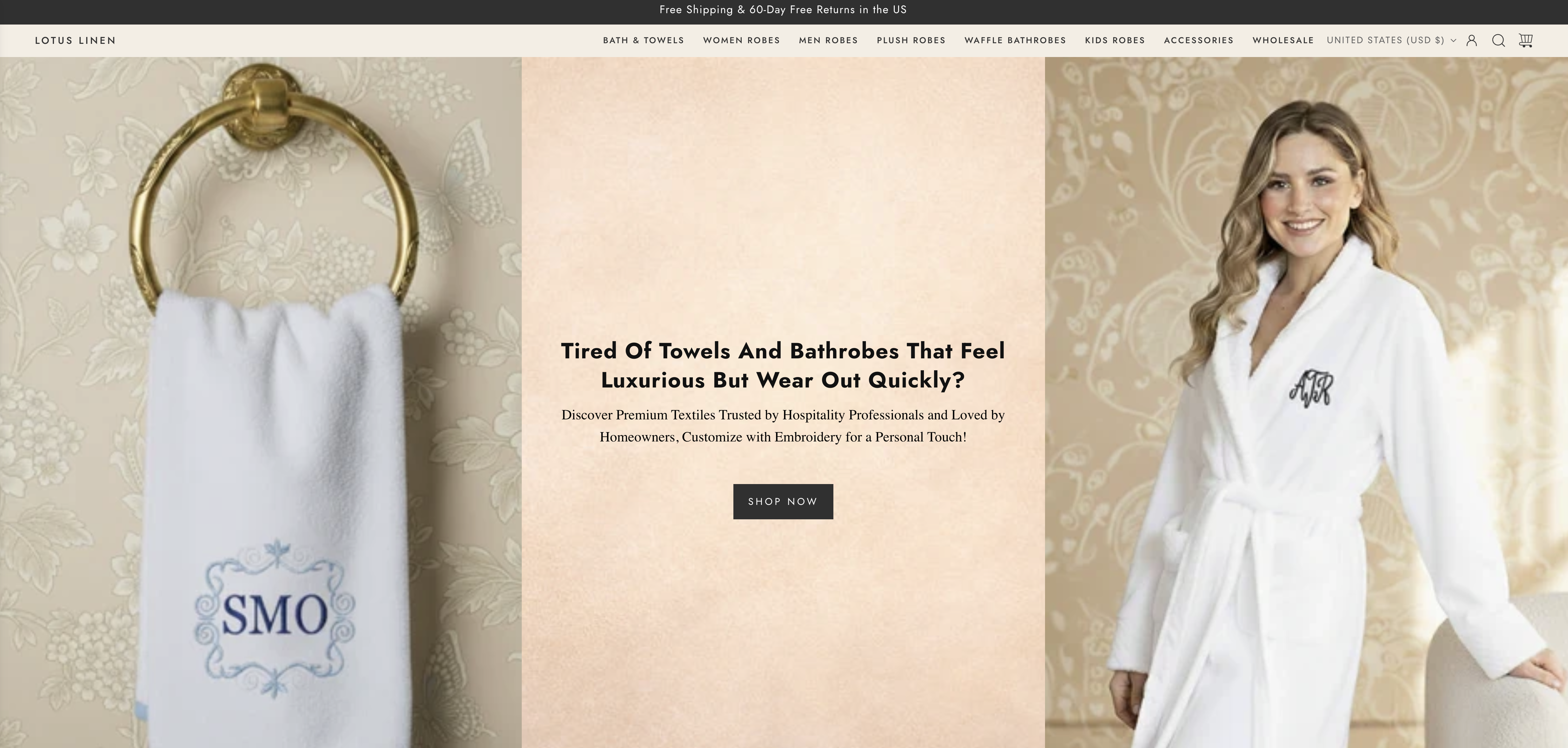
If you want to travel with bath linens that actually perform, Shoplotuslinen makes it straightforward. The luxury quick-dry bath towels with scallop piping combine fast-drying performance with personalization options, so your towel is easy to identify in shared accommodation and feels like a premium choice rather than a compromise. For layering comfort before and after your bath, the women’s robe collection and men’s robe collection offer lightweight, packable options designed for exactly this kind of travel convenience. Premium quality and practical design should not be separate things.
FAQ
What are the best travel towels for avoiding mildew?
Microfiber towels are the best choice for mildew prevention because they dry one to two hours after use. The key is hanging them immediately and never sealing them in an airtight bag while damp.
Can you wash travel towels in a hotel sink?
Yes. Fill the sink with warm water and a small amount of liquid detergent, hand-agitate for a few minutes, rinse thoroughly, wring out fully, and hang near ventilation to dry.
How do you pack towels for vacation in a carry-on?
Roll or compress dry towels tightly and use a breathable mesh bag for any used linens. Microfiber and peshtemal towels compress to paperback size, making them the most carry-on-friendly options.
Should you bring your own towels when traveling?
It depends on the trip. For backpacking, camping, or stays where linen quality is uncertain, bringing your own travel towel is worth it. For hotels with reliable linens, a personal towel is mostly about preference and hygiene comfort.
How do you speed up towel drying while traveling?
Wring the towel thoroughly before hanging, place it near an air vent or open window, and use a hair dryer on low heat if you are in a hurry. As noted by travel experts, drying time is the real bottleneck, so plan your laundry routine around checkout time, not sleep time.

