
Most American families invest in premium towels hoping for years of softness and luxury, yet nearly 60 percent discover early wear or fading within the first year. Caring for plush towels goes beyond simple washing; it shapes your entire home spa experience and protects what keeps your family comfortable every day. From gathering the right supplies to optimizing every wash and dry cycle, you will learn how to help your towels stay fluffy, fresh, and inviting for much longer.
Table of Contents
- Step 1: Gather Essential Care Supplies For Plush Towels
- Step 2: Sort Towels By Fabric And Color For Safe Washing
- Step 3: Wash Towels Using Optimal Temperature And Gentle Detergent
- Step 4: Dry Towels Properly To Preserve Softness And Shape
- Step 5: Inspect Clean Towels For Quality And Freshness
Quick Summary
| Key Point | Explanation |
|---|---|
| 1. Use gentle detergent for washing | Choose a mild detergent formulated for delicate fabrics to maintain your plush towels’ softness and longevity. |
| 2. Sort towels by fabric and color | Group towels by type and color to prevent damage and color bleeding during washing. This ensures optimal care for each towel. |
| 3. Wash with warm water on gentle cycle | Utilize warm water and a gentle washing cycle to clean towels effectively while protecting their fibers from stress and wear. |
| 4. Dry towels at appropriate temperature | Use medium heat in the dryer for cotton towels and lower temperatures for delicate fabrics to maintain their quality and prevent shrinkage. |
| 5. Inspect towels after washing and drying | Check for softness, color consistency, and any odors after cleaning to ensure towels maintain their quality and cleanliness standards. |
Step 1: Gather essential care supplies for plush towels
Getting the right supplies is crucial for maintaining the softness and longevity of your plush towels. Your goal is to create a care kit that protects delicate fabric fibers while keeping towels fresh and luxurious.
Start by selecting a gentle detergent specifically designed for delicate fabrics. Look for low-chemical formulas that protect towel fibers and maintain their plush texture. Specialized laundry detergents can help preserve the quality of your towels without causing unnecessary wear. You will also want to gather some additional items like white vinegar or baking soda as natural softening alternatives that prevent fiber damage.
Your essential care supplies should include a mild liquid detergent, white vinegar, baking soda, and a soft laundry brush for spot treatments. Avoid harsh commercial fabric softeners that can break down towel fibers and reduce their absorbency. Instead, opt for gentler methods that maintain softness without compromising towel performance.
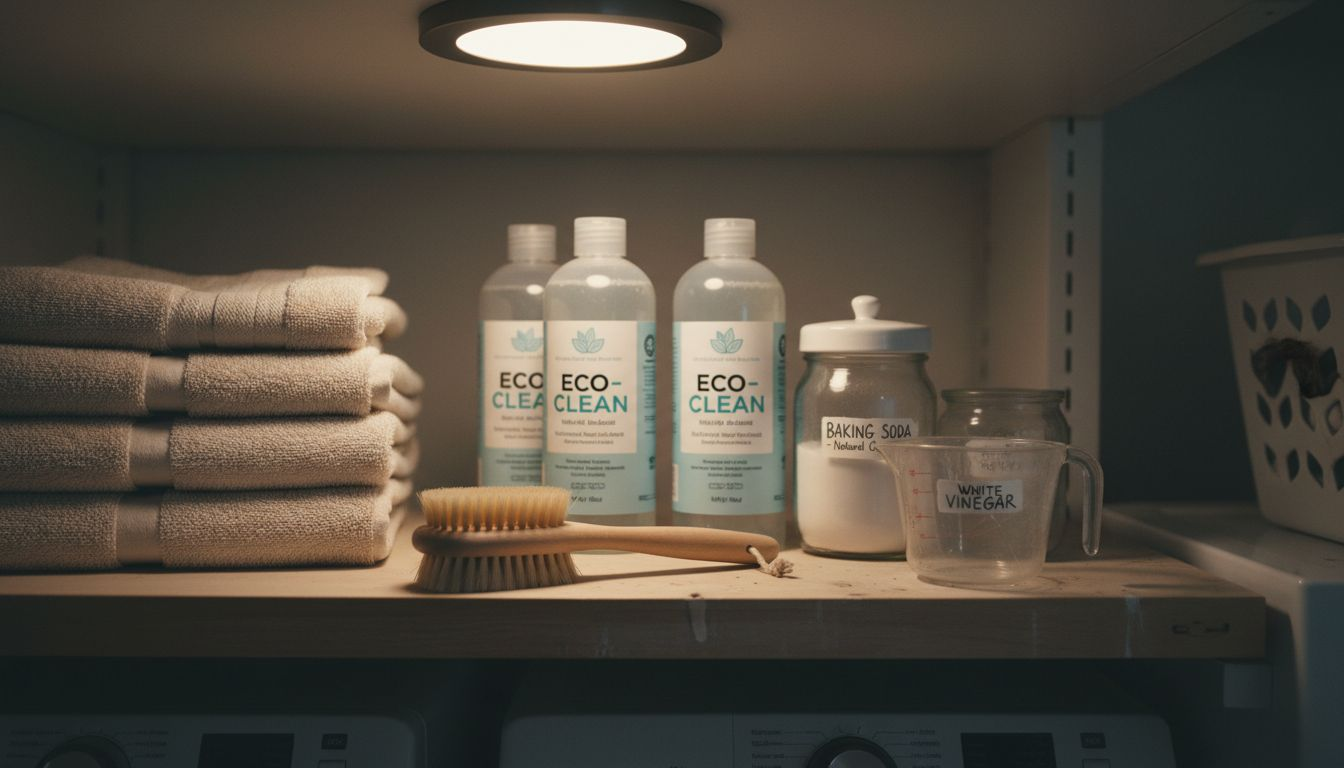
Pro tip: Keep your towel care supplies organized in a single container near your laundry area to streamline your maintenance routine and ensure consistent care.
Step 2: Sort towels by fabric and color for safe washing
Proper sorting is essential for maintaining the quality and longevity of your towels. Your goal is to protect different fabric types and prevent color bleeding during the washing process.
Begin by separating towels by fabric type such as cotton, linen, bamboo, and synthetic materials. Each fabric requires specific care to prevent damage and maintain its unique characteristics. Heavier cotton towels should be washed separately from delicate microfiber or bamboo varieties to avoid fiber stress and potential wear. Additionally, create distinct piles for white towels, light colors, and dark colors to prevent dye transfer and maintain the vibrancy of each towel.
Start your sorting process by creating three main groups: whites, light colors, and dark colors. Within each color group, further separate towels by fabric weight and delicacy. Bright or new towels should be washed separately to prevent color bleeding, while white towels require their own dedicated wash cycle to maintain their pristine appearance.
Pro tip: Invest in color catching sheets to provide an extra layer of protection against unexpected color transfer during mixed fabric washing.
Step 3: Wash towels using optimal temperature and gentle detergent
Mastering the right washing technique is crucial for maintaining your towels softness and extending their usable life. Your mission is to clean thoroughly while preserving the delicate fabric fibers that make your towels comfortable and absorbent.
Select warm water as your primary washing temperature to effectively clean without causing unnecessary fabric stress. Gentle laundry practices help protect towel fibers and maintain their original texture. Use a mild detergent specifically designed for delicate fabrics, avoiding harsh chemicals that can break down cotton and synthetic fibers. Measure your detergent carefully to prevent residue buildup which can reduce towel absorbency and create a stiff feeling after washing.
Pay close attention to your washing machine settings. Choose a gentle cycle for most towel types, and avoid overloading the machine to ensure proper cleaning and rinsing. White towels can tolerate slightly warmer temperatures, while colored towels benefit from cooler water to prevent fading. Always check the care label for specific manufacturer recommendations to guarantee the best possible care for your specific towel types.
Here is a quick reference of common towel fabrics and their ideal washing methods:
| Fabric Type | Best Water Temp | Washing Cycle | Drying Method |
|---|---|---|---|
| Cotton | Warm or hot | Gentle or normal | Medium heat in dryer |
| Microfiber | Cool or warm | Gentle | Low heat or air dry |
| Bamboo | Cool | Gentle | Air dry, avoid high heat |
| Linen | Cool or warm | Gentle | Air dry preferred |
| Synthetic | Cool | Gentle | Low heat, remove promptly |
Pro tip: Avoid using fabric softener during towel washing as it can create a waxy buildup that reduces absorbency and softness over time.
Step 4: Dry towels properly to preserve softness and shape
Drying your towels correctly is just as important as washing them. Your goal is to maintain their plush texture and prevent any potential damage that could compromise their comfort and absorbency.
Proper drying techniques are crucial for preserving towel quality. Use your dryer on a medium heat setting to protect fabric fibers and prevent shrinkage. Add wool dryer balls to help fluff the towels and reduce drying time while maintaining their soft texture. For those preferring air drying, avoid hanging towels while they are still dripping wet, as this can cause stiffness and potential mildew growth. Instead, gently squeeze out excess water and either tumble dry or hang in a well-ventilated area with enough space for air circulation.
Pay attention to your drying method based on towel type. Cotton towels can handle moderate heat, while more delicate fabrics like microfiber require lower temperatures. Remove towels from the dryer promptly to prevent wrinkles and maintain their original shape. Shake them out immediately after drying to help restore their fluffy texture and prevent fibers from matting together.
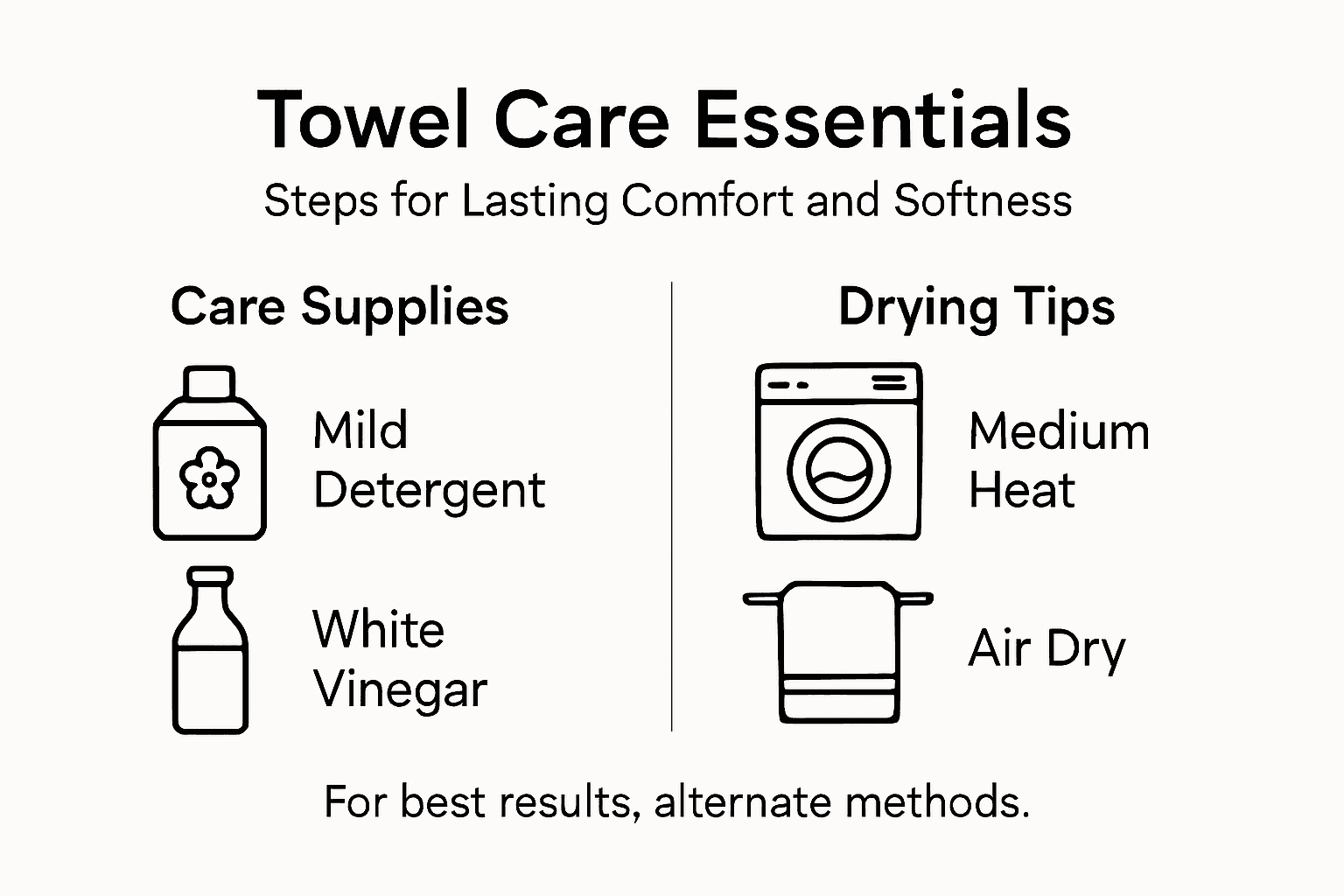
Pro tip: Rotate your towel drying methods between machine and air drying to prevent excessive wear and maintain optimal softness.
Step 5: Inspect clean towels for quality and freshness
Once your towels complete their washing and drying cycle, a thorough quality inspection ensures they meet your comfort and cleanliness standards. Your objective is to verify each towel maintains its original softness, appearance, and functionality.
Quality inspection processes are crucial for maintaining towel performance. Begin by checking for visual consistency in color and texture. Look for any signs of damage such as loose threads, uneven edges, or unexpected shrinkage. Run your hands across the fabric to assess softness and check for areas of stiffness that might indicate incomplete rinsing or detergent residue. Test the towel’s absorbency by lightly sprinkling water on its surface to ensure it quickly and evenly soaks into the fabric.
Pay special attention to white and light colored towels for potential discoloration or gray areas that might suggest incomplete cleaning. Examine both sides of the towel for uniform appearance and feel. For patterned or colored towels, verify that the color remains vibrant and consistent without fading or bleeding. Smell the towels to confirm they are fresh and free from musty odors that could indicate incomplete drying or potential mildew development.
Below is a summary of what to check during towel quality inspections:
| Inspection Area | What to Look For | Signs of Concern |
|---|---|---|
| Texture | Consistent softness | Stiff or rough spots |
| Color | Even and vibrant | Fading or discoloration |
| Edges & Threads | Intact edges, no loose ends | Fraying or loose threads |
| Odor | Fresh and clean | Musty or damp smell |
| Absorbency | Quick water absorption | Water beads on surface |
Pro tip: Keep a small, well lit area dedicated to towel inspection to catch subtle quality issues that might be missed in regular lighting conditions.
Keep Your Towels Luxurious and Soft with Lotus Linen
Caring for your towels the right way can be challenging. From avoiding harsh detergents to selecting the gentle washing cycles and drying methods that preserve softness and absorbency, maintaining your towel’s plush texture takes effort. If you want to enjoy delightful comfort every day without worrying about rough or faded towels, it is essential to combine expert care with premium-quality bath linens designed for lasting softness and style.
Discover the elegance and superior feel of the Scallop Piping Towel Set | Lotus Linen crafted to maintain plushness wash after wash.

Elevate your bath routine now by exploring our luxurious, easy-care towels and matching robes, including the Soft Men Cotton Robes – Lotus Linen. These pieces are thoughtfully designed to withstand gentle washing methods highlighted in your towel care guide, so you keep enjoying lasting comfort and elegance. Visit https://shoplotuslinen.com today to shop exclusive collections and experience the perfect blend of quality and care.
Frequently Asked Questions
How can I maintain the softness and longevity of my plush towels?
To maintain the softness and longevity of plush towels, use a gentle detergent specifically designed for delicate fabrics. Gather essential care supplies like white vinegar or baking soda to help soften towels naturally, and keep your supplies organized in a dedicated container for easy access.
What is the best way to sort towels before washing?
Sort towels by fabric type and color to prevent damage and color bleeding. Create separate piles for whites, light colors, and dark colors, and within each color group, further sort by fabric weight and delicacy to ensure appropriate care during washing.
What washing temperature and cycle should I use for towels?
Use warm water and a gentle washing cycle for most towel types to clean effectively without stressing the fabric fibers. For white towels, you can use slightly warmer temperatures, while colored towels should be washed in cooler water to maintain their vibrancy.
How should I dry my towels to preserve their softness?
Dry towels using a medium heat setting in the dryer or air dry them in a well-ventilated area to maintain their plush texture. Incorporate wool dryer balls to help fluff the towels and reduce drying time while ensuring they are not left sitting in the dryer for too long to avoid wrinkles.
What should I look for when inspecting my clean towels?
Inspect your clean towels for even softness, vibrant color, and intact edges. Check for any signs of damage like loose threads or stiffs areas; ensure there is no musty smell, indicating that they may not have dried properly.
How can I prevent towel odor after washing?
To prevent towel odor after washing, always ensure they are completely dry before storing them. Additionally, avoid using fabric softeners that can create a waxy buildup and instead use alternatives like white vinegar during the rinse cycle.
Recommended
- How to Choose Bath Towels: Selecting the Perfect Luxe Towels – Lotus Linen
- What Is Terry Cloth? Guide to Cozy, Stylish Choices 2025 – Lotus Linen
- Choosing Robes for Guests: Create Comfort and Style – Lotus Linen
- Best Bathrobes For Lazy Days – Lotus Linen
- 7 Bathroom Supply Essentials Every Homeowner Needs - Legacy Plumbing & Drain - Emergency Plumbers Of Sacramento
- Zestaw Do prania Raypath – płyny z nanosrebrem | Przestrzeń Od Nowa Sklep

