
Over half of American shoppers admit they have regretted a towel purchase after realizing it wore out too quickly or failed to perform. The search for the right towel can be unexpectedly tricky with so many options that look similar but deliver vastly different results. By knowing which common mistakes to avoid, you can skip the frustration and get towels that actually suit your needs and stand the test of time.
Table of Contents
- What Are Common Towel Buying Mistakes
- Recognizing Fabric And Fiber Mismatches
- Understanding GSM And Weight Pitfalls
- Overlooking Weave, Twist, Construction
- Mistakes In Absorbency And Drying Performance
- Neglecting Care And Longevity Practices
Key Takeaways
| Point | Details |
|---|---|
| Fabric Quality Matters | Prioritize high-quality materials such as Turkish or Egyptian cotton for better absorbency and durability. |
| Understand GSM Ratings | Select towels with appropriate GSM ranges (300-900) based on your specific needs for weight and absorbency. |
| Care Practices Impact Longevity | Proper washing and drying techniques can significantly extend towel lifespan and performance. |
| Match Towels to Purpose | Choose towels based on their intended use, such as quick-drying options for gyms and plush towels for bathrooms. |
What Are Common Towel Buying Mistakes
Navigating the world of towel shopping isn’t as straightforward as most people assume. Seasoned shoppers know that selecting the right towel involves more than just grabbing the first soft-looking option off the shelf. Understanding common purchasing pitfalls can save you money, enhance your bathroom experience, and ensure your towels remain high-quality for years.
One of the most significant mistakes consumers make is neglecting towel fabric quality. Shoppers often prioritize price over material, which leads to purchasing thin, low-absorbent towels that deteriorate quickly. Cotton towels with longer fibers - specifically Turkish or Egyptian cotton - provide superior softness, durability, and moisture absorption. When shopping, check the fabric weight (measured in GSM - grams per square meter) and aim for towels between 300-900 GSM for optimal performance.
Maintenance mistakes can drastically reduce towel lifespan. Research indicates that improper washing techniques lead to premature towel degradation. Common errors include:
- Overloading washing machines, which prevents proper rinsing
- Using fabric softeners that coat cotton fibers with waxy residue
- Drying towels on excessively high heat
- Washing towels with clothing items, causing lint transfer and fiber damage
Another critical mistake is ignoring towel purpose and environment. Different spaces require different towel characteristics. Gym towels need quick-drying microfiber, while bathroom towels benefit from plush, absorbent cotton. Spa and hotel environments demand professional-grade towels with superior durability and consistent performance. By understanding these nuanced requirements, you can make more informed purchasing decisions that match your specific needs.
When shopping for towels, always consider factors beyond immediate aesthetics: fabric quality, absorbency, durability, and maintenance requirements. A slightly higher upfront investment in premium towels can save significant money and frustration in the long run.
Recognizing Fabric And Fiber Mismatches
Towel shopping requires more than just selecting a soft-looking fabric. Understanding the intricate details of fabric composition and performance is crucial for making an informed purchase. Fiber mismatches can lead to disappointing experiences, where towels fail to meet your specific functional needs.

Moisture absorption characteristics are significantly influenced by multiple fabric variables that most consumers overlook. Factors like fabric weight, thickness, and pile yarn twist determine a towel’s ultimate performance. For instance, a lightweight towel might look appealing but could lack the absorbency required for post-shower use. Professional buyers understand that terry fabric construction plays a critical role in determining towel functionality.
Key factors to consider when recognizing potential fabric mismatches include:
- Yarn Structure: Specific yarn configuration variables impact overall towel comfort and performance
- Fabric Weight: Determines absorbency and durability
- Pile Density: Influences softness and moisture retention
- Fiber Composition: Affects breathability and quick-drying capabilities
Different environments demand unique towel characteristics. A gym towel requires quick-drying microfiber technology, while bathroom towels benefit from plush, dense cotton weaves. Spa and hospitality settings necessitate professional-grade towels with consistent performance and superior durability. Understanding these nuanced requirements helps prevent costly purchasing mistakes and ensures you select towels that genuinely match your specific usage scenarios.
When evaluating towel fabrics, examine the material’s inherent properties beyond surface appearance. Pay attention to fiber length, weave density, and intended use. A thoughtful approach to fabric selection will ultimately provide more satisfying, long-lasting towels that meet your precise functional and aesthetic preferences.
Understanding GSM And Weight Pitfalls
Understanding the nuanced world of towel weight measurement can be the difference between a satisfactory purchase and a laundry disappointment. GSM (Grams per Square Meter) represents a critical metric that many shoppers unknowingly overlook when selecting towels, yet it fundamentally determines a towel’s performance, comfort, and longevity.
Towel density measurements reveal complex performance characteristics across different weight ranges. Generally, towel GSM can be categorized into three primary performance tiers:
-
300-400 GSM: Lightweight towels
- Quick drying
- Less absorbent
- Ideal for gyms and travel
-
400-600 GSM: Mid-weight towels
- Balanced absorbency
- Standard hospitality grade
- Versatile performance
-
600+ GSM: Heavyweight towels
- Maximum absorption
- Luxurious feel
- Spa and premium bathroom standards
Microfiber towel specifications demonstrate that GSM isn’t just a number, but a precise indicator of functional performance. Different weight grades serve specific purposes, from lightweight utility towels to heavy-duty cleaning and bathroom linens. Consumers frequently make the mistake of selecting towels based on aesthetic appeal rather than understanding how weight correlates with intended use.
When shopping for towels, consider your specific environment and requirements. A gym might demand quick-drying 300 GSM towels, while a luxury bathroom calls for plush 700 GSM options. The key is matching towel weight to your precise functional needs, ensuring you don’t waste money on inappropriate selections that underperform in your specific context.
Overlooking Weave, Twist, Construction
Beyond basic fabric selection, the intricate details of towel construction represent a critical yet often overlooked aspect of quality purchasing. Towel engineering involves complex interactions between weave, yarn twist, and structural design that dramatically impact performance, durability, and overall user experience.
Terry loop quality determines a towel’s fundamental characteristics. Dense, consistently structured loops create superior moisture-wicking capabilities and enhance tactile comfort. Professional buyers know that examining the weave isn’t just about aesthetics, but about understanding how microscopic fabric construction influences functional performance.
Different weave types offer unique advantages:
-
Terry Weave
- Maximum absorbency
- Plush texture
- Ideal for bath and beach towels
-
Waffle Weave
- Quick-drying
- Lightweight
- Excellent for kitchen and gym use
-
Coral Fleece
- Ultra-soft texture
- Excellent heat retention
- Perfect for luxury bathrobes
Microfiber weave variations further demonstrate the complexity of towel construction. Each weave type serves a specific purpose, from utility cleaning cloths to high-end spa towels. Consumers frequently make the mistake of treating all towels as interchangeable, overlooking the critical nuances that distinguish exceptional textiles from mediocre alternatives.
When shopping, look beyond surface appearances. Run your hands across the fabric, assess loop density, and consider the intended environment. A kitchen towel requires different construction properties than a luxury bath towel. Understanding these subtle differences transforms towel shopping from a mundane task into a strategic decision about comfort, functionality, and long-term value.
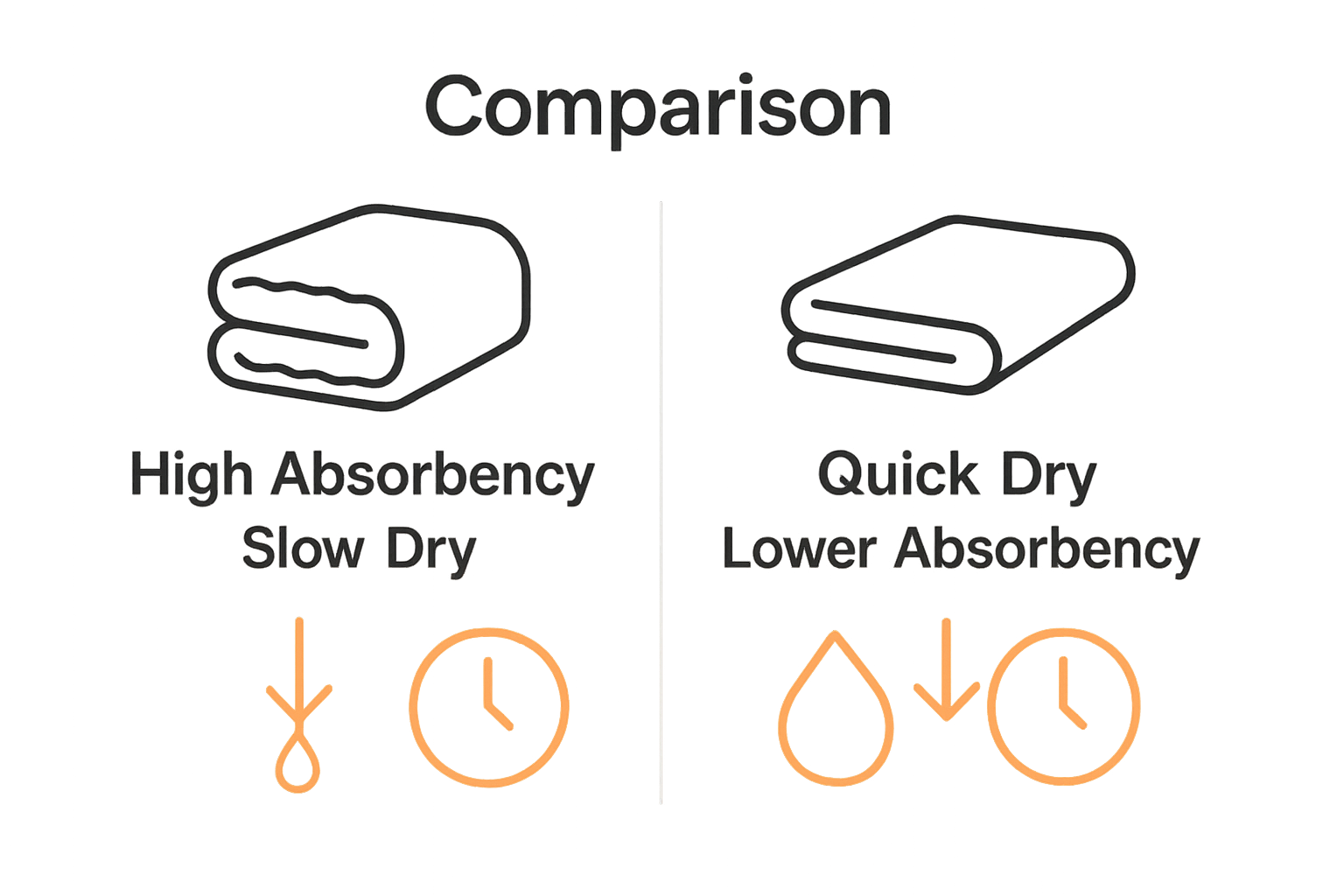
Mistakes In Absorbency And Drying Performance
Absorbency isn’t a one-size-fits-all characteristic. What works perfectly in one setting can become a disappointing experience in another. Moisture management represents a complex interplay of fabric engineering that most consumers dramatically oversimplify when selecting towels.
Moisture absorption behavior depends on multiple intricate variables that extend far beyond basic visual assessment. Fabric weight, thickness, and pile yarn twist fundamentally determine a towel’s performance. Professional buyers understand that absorbency isn’t just about how soft a towel feels, but about its sophisticated microscopic architecture.
Critical factors affecting towel performance include:
-
Yarn Structure
- Determines moisture wicking capabilities
- Influences drying speed
- Impacts overall fabric durability
-
Fiber Composition
- Cotton absorbs differently than synthetic materials
- Impacts moisture retention
- Affects overall performance
-
Weave Density
- Tighter weaves reduce absorption
- Looser weaves increase moisture transfer
- Impacts overall towel functionality
Terry warp-knitted towel characteristics reveal that seemingly subtle design choices dramatically influence performance. Consumers frequently select towels based on aesthetic appeal, overlooking the scientific principles governing moisture management. A luxurious-looking towel might perform poorly in real-world conditions, leaving users frustrated and damp.
When shopping, move beyond surface impressions. Test towels by feeling their weight, examining loop density, and understanding their intended environment. A beach towel requires different absorption properties than a bathroom hand towel. Recognizing these nuanced differences transforms towel shopping from a mundane errand into a strategic decision about comfort and functionality.
Neglecting Care And Longevity Practices
Most consumers treat towels as disposable commodities, unaware that proper care can dramatically extend their lifespan and performance. Towel maintenance is a sophisticated science that goes far beyond simple washing and drying, involving intricate understanding of fabric chemistry and mechanical handling.
Improper care practices can systematically destroy towel quality faster than normal wear and tear. The most common destructive habits include:
-
Washing Mistakes
- Overloading washing machines
- Using excessive detergent
- Mixing towels with abrasive clothing items
-
Drying Errors
- Running dryers on high heat
- Leaving towels in humid environments
- Not allowing complete air circulation
-
Chemical Damage
- Using fabric softeners
- Applying bleach incorrectly
- Exposing towels to harsh cleaning agents
Fabric softener interactions reveal a fascinating chemical process where surfactants can actually compromise towel performance. These substances deposit microscopic layers that progressively reduce absorbency, transforming what should be a plush, moisture-wicking tool into a less functional textile. Professional textile managers understand that each wash cycle is a calculated intervention in fabric maintenance.
Effective towel care requires treating these textiles as precision instruments. Wash in moderate loads, use minimal detergent, avoid fabric softeners, dry at moderate temperatures, and rotate your towel collection. By understanding these nuanced maintenance principles, you can transform a simple bathroom accessory into a long-lasting, high-performance textile that maintains its original quality for years.
Avoid Towel Buying Mistakes With Premium Quality and Expertise
Choosing the right towels goes beyond looks and price to avoid common mistakes like poor fabric quality, incorrect GSM, and improper care. This guide highlights how selecting towels with the right fabric weight, weave type, and maintenance approach enhances absorbency, durability, and long-term satisfaction. If you want to stop wasting money on towels that lose softness or fail to dry effectively Lotus Linen offers an elegant solution.
Explore our exclusive collection of Scallop Piping Towels | Luxury Cotton Bath Sets crafted with expertly selected premium cotton and meticulous attention to fabric construction. Our towels bring together plush comfort with durability for a spa-like experience at home. For a complete indulgence, pair your bath essentials with our Soft Men Cotton Robes designed to deliver unmatched softness and breathability.

Take control of your towel experience now by choosing quality, long-lasting pieces from Lotus Linen. Elevate everyday self-care with towels and robes engineered for comfort safety and style. Visit our site and transform your bathroom into a sanctuary where every touch feels luxurious and thoughtfully designed.
Frequently Asked Questions
What should I consider when choosing towel fabric?
When selecting towel fabric, prioritize quality over price. Look for longer fiber cotton varieties like Turkish or Egyptian cotton for better softness, durability, and absorbency. Check the GSM (grams per square meter) of the towel for optimal performance—aim for 300-900 GSM.
How can I maintain my towels to extend their lifespan?
To maintain your towels, wash them in moderate loads, use minimal detergent, avoid fabric softeners, and dry at moderate temperatures. Additionally, avoid washing towels with abrasive clothing to prevent damage.
What is the significance of GSM in towels, and how does it affect performance?
GSM, or grams per square meter, indicates the towel’s density and performance. Lightweight towels (300-400 GSM) are quick-drying but less absorbent, while heavyweight towels (600+ GSM) offer maximum absorption and a luxurious feel, ideal for premium settings.
How does the weave type of a towel affect its functionality?
The weave type significantly impacts a towel’s absorbency, drying speed, and softness. For example, terry weave provides maximum absorbency, while waffle weave is quick-drying and lightweight, making them suitable for different uses like gym or spa towels.
Recommended
- How to Choose Bath Towels: Selecting the Perfect Luxe Towels – Lotus Linen
- Choosing Robes for Guests: Create Comfort and Style – Lotus Linen
- Towel Origin History: Complete Guide to Evolution – Lotus Linen
- What Is Terry Cloth? Guide to Cozy, Stylish Choices 2025 – Lotus Linen
- How to Wash a Bathroom Rug Without Ruining It | Laundry Tips

