
TL;DR:
- Robes act as transitional garments that signal comfort and help the nervous system shift from activity to rest. They provide tactile warmth, sensory grounding, and support relaxed routines, enhancing emotional and physical well-being at home. Incorporating intentional robe habits into daily rituals fosters faster mental reset and deepens home comfort practices.
Most people think of a robe as something you throw on between the shower and getting dressed. That’s a narrow view of what the role of robes in home routines actually looks like when you pay attention. A good robe is a sensory tool, a psychological signal, and a comfort ritual all at once. Used well, it can shift how your entire body feels inside your home. This guide breaks down why robes matter, which ones work for different needs, and how to build them into your daily rhythm in ways that actually stick.
Table of Contents
- Key takeaways
- The role of robes in home routines
- Physical and sensory benefits of wearing robes
- Robes as psychological tools for daily transitions
- Choosing the right robe for your home routine
- Integrating robes into your daily home rituals
- My perspective on what robes actually do for you
- Upgrade your home routine with Shoplotuslinen
- FAQ
Key takeaways
| Point | Details |
|---|---|
| Robes signal mental transitions | Changing into a robe cues your nervous system that the day’s demands are finished, reducing stress. |
| Fabric choice affects skin and hygiene | Natural fabrics like cotton and silk are better for skin health and require less frequent washing. |
| Seasonal needs should guide your selection | Plush and fleece robes excel in winter; lighter waffle or cotton options suit warmer months. |
| Rituals amplify the comfort effect | Pairing your robe with a consistent routine, like evening tea or morning coffee, deepens the relaxation benefit. |
| Robes belong in family routines too | Shared robe-wearing habits create predictable comfort moments that benefit both adults and children. |
The role of robes in home routines
Before robes were a retail category, they were cultural objects. In ancient Japan, the kimono served as both indoor garment and ceremonial wrap, layered with meaning about rest and household transition. In Ottoman hammam culture, large cotton wraps called peştamals were used to move between heat and cool spaces in the bath. European bathrobes, as we recognize them now, emerged in the 19th century alongside indoor plumbing. The idea of a dedicated garment for post-bath warmth was considered a mark of domestic comfort and self-care.
What all these traditions share is the concept of a threshold garment. A robe signals you have moved from one state to another. You are no longer “out there.” You are home. That meaning did not disappear with modernity. It just went unexamined. Here is what that history built into today’s robe culture:
- A garment specifically designed for the home, not work or social settings
- A material comfort layer that prioritizes warmth and ease over structure or appearance
- A personal item that belongs to one person’s comfort practice, not shared like a blanket
- A ritual object tied to specific moments: morning, post-shower, evening wind-down
Understanding where robes came from helps explain why putting one on actually changes how you feel. It is not coincidence. It is accumulated cultural conditioning, and it works in your favor.
Physical and sensory benefits of wearing robes
The body responds to what it touches. That is not a minor point. Soft fabric against skin can engage the parasympathetic nervous system, reducing physiological stress markers and supporting rest and recovery. What that means practically is that wrapping yourself in a soft robe is doing something real to your stress levels, not just making you feel warmer.
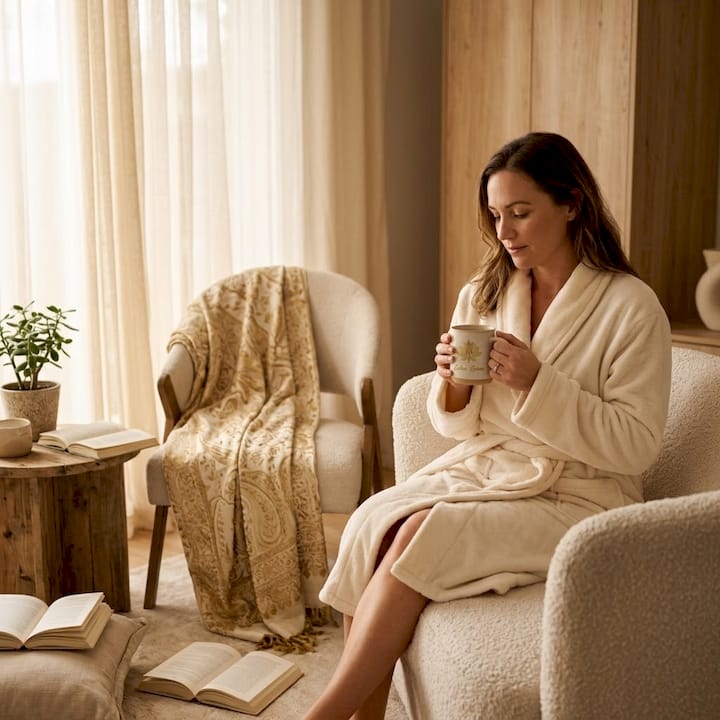
Post-shower robe use is the most obvious application. Your body loses heat fast after bathing, and that cooling process can trigger mild physical stress. A well-absorbent robe, particularly terry cloth or waffle cotton, handles moisture while retaining warmth. You stay comfortable while your skin finishes drying. That matters more than it sounds.
The benefits of wearing robes extend well beyond the bathroom:
- Warmth regulation. A robe adds a consistent layer across your whole body without the awkward coverage gaps of blankets or sweatshirts.
- Tactile grounding. Soft, consistent pressure across the skin creates a sense of physical security that supports relaxation.
- Freedom of movement. Unlike structured loungewear, most robes allow full movement without binding or waistband pressure.
- Temperature adaptability. You can open or close the robe as your body temperature shifts, giving you more control than any other home garment.
Pro Tip: If you have sensitive skin or run warm at night, choose an unbleached cotton or bamboo-blend robe. These materials breathe well, absorb moisture without holding it, and are far less likely to irritate skin than synthetic plush options.
For skin health, natural fabrics like cotton and silk are preferred over synthetic polyester because they absorb fewer chemicals, wick sweat more effectively, and support longer wear between washes. This matters when you are wearing your robe daily.
Robes as psychological tools for daily transitions
There is real power in a deliberate signal. When you sit down at a desk, your brain shifts into work mode. When you walk into a kitchen, you start thinking about food. Environment shapes mental state. Robes work the same way. The act of changing into a robe can serve as a simple physical cue that the day’s responsibilities are done.
This is especially true for anyone who works from home. Without a physical commute to separate work and rest, the brain can stay stuck in “on” mode for hours into the evening. A robe ritual provides an artificial but effective boundary. You change clothes. You signal rest. Your nervous system begins to follow.
“Wearing a robe is not about being lazy. It is about being intentional. You are telling your body: the performance is over. This is recovery time.” This reframe matters for anyone who feels guilty about slowing down at home.
Robes also serve as a sensory anchor for mental reset, particularly for people with high sensory sensitivity or introverted tendencies. After a long day of social input, visual stimulation, and noise, the low-stimulus environment of a robe, dim lights, and quiet space is not self-indulgence. It is nervous system maintenance.
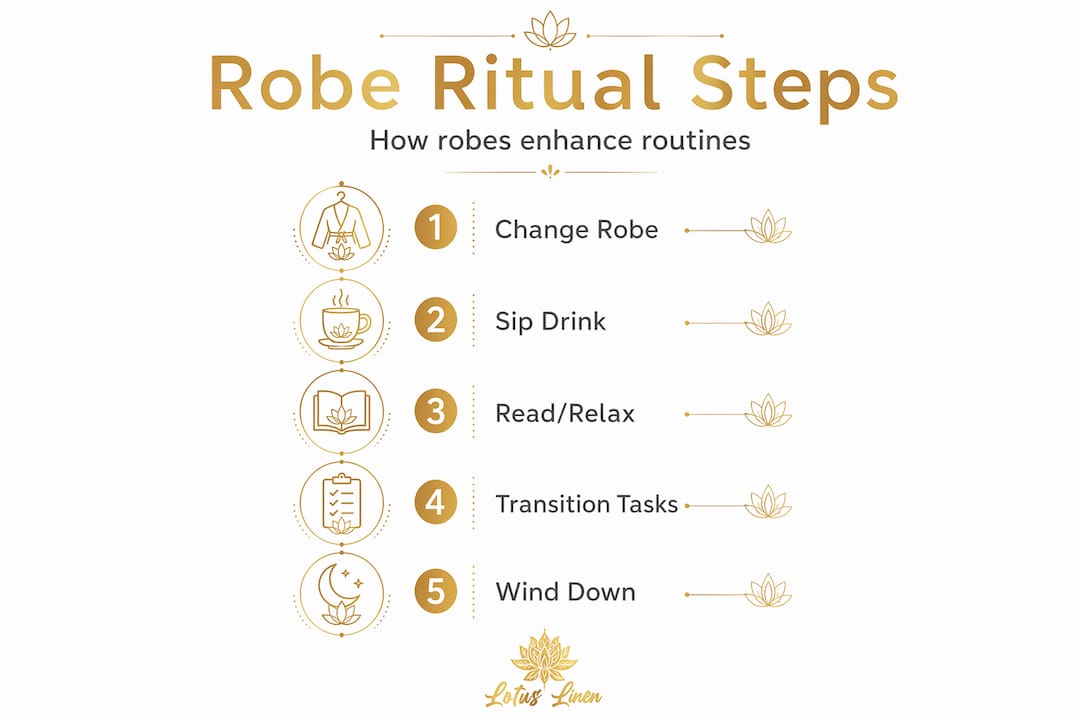
Pairing your robe with other comfort habits deepens the effect. Think of these combinations: a robe and a specific playlist, a robe and herbal tea, a robe and ten minutes of reading before sleep. Over time, the robe becomes a conditioned trigger for the full relaxation response. You can even incorporate spa practices into a work-from-home routine around the same habits, building a home environment that actively restores you.
Routines involving robes reduce cognitive load by marking transitions clearly. That predictability is not trivial. It means your brain spends less energy deciding whether it is time to rest. The answer is already built into the ritual.
Choosing the right robe for your home routine
Fabric matters more than design. Most people pick a robe based on how it looks in a photo, then find it too hot in summer, too thin in winter, or rough after a few washes. The right robe matches your body, your climate, and how you actually use it.
| Fabric | Best for | Warmth level | Drying time | Skin suitability |
|---|---|---|---|---|
| Terry cotton | Post-shower, all-season | Medium | Medium | Excellent |
| Waffle cotton | Warm climates, lightweight use | Light | Fast | Very good |
| Fleece/plush | Cold weather, evening lounging | High | Slow | Moderate |
| Silk/satin | Sensitive skin, warm weather | Low | Very fast | Best for sensitive skin |
| Microfiber | Budget-friendly, quick dry | Medium | Fast | Fair |
Plush, warm robes are highly valued in winter, with consumers prioritizing fleece and terry cloth to maximize coziness during cold seasons. If you run cold, or you use your robe primarily in winter mornings, a plush option is worth the investment. You can find well-made robes at various price points, from under $50 for synthetic options to significantly more for luxury materials.
For care and longevity, the key is to air your robe between uses rather than washing after every wear. A robe can be worn several days before washing if properly aired, which reduces laundry volume while maintaining hygiene. That said, dermatologists recommend washing lounge attire every three days for allergy-prone individuals or anyone using their robe immediately after showering daily.
Pro Tip: Wash your robe in warm water at around 130°F to eliminate allergens without breaking down natural fibers. Skip fabric softener with cotton robes. It reduces absorbency over time, which defeats the purpose of a post-shower garment.
For a deeper look at how different materials perform across seasons, Shoplotuslinen’s guide on bathrobe fabrics by season covers exactly what you need to know before buying.
Integrating robes into your daily home rituals
The importance of home robes is not realized by owning one. It comes from actually using it with intention. Here are six practical ways to build robes into your home routines so the habit forms naturally:
- Start your morning in the robe, not your pajamas. Keep your robe hanging near your bed. Put it on before coffee, before your phone, before anything. Those first ten minutes set the tone for the whole day.
- Use it as your post-shower default. Place your robe in the bathroom rather than a towel hook. The switch makes the habit automatic and reduces the “I’ll just get dressed” shortcut that skips the wind-down.
- Create an evening robe ritual. Choose a specific time, around 7 or 8 PM, when you change into your robe as a signal that screens and tasks are winding down. The role of robes in family routines works especially well here because kids respond to visible parent cues.
- Pair it with one other comfort object. A specific mug, a particular candle, or the same evening playlist. Conditioning your robe with a secondary sensory cue accelerates the relaxation response.
- Include family members. When everyone in the household has a robe they enjoy wearing, it creates shared comfort moments. Weekend mornings in robes with breakfast are small rituals that build genuine family cohesion.
- Use it for low-stakes work from home. If you are doing creative or low-focus work, wearing your robe rather than “real clothes” can reduce the mental overhead of performance. Many remote workers report that robe mornings produce their most relaxed, focused creative output.
How robes enhance comfort in daily routines is less about the garment itself and more about the consistency of the habit. The robe is the anchor. The routine is the practice.
My perspective on what robes actually do for you
I have thought a lot about what makes certain home habits genuinely restorative versus just comfortable. And what I have come to believe is that robes are one of the most underestimated tools in that category. Not because they are luxurious or expensive, but because they are physical. They work on the body directly, not through discipline or willpower.
In my experience, the people who benefit most from robe routines are not people who are already relaxed. They are the ones who find it hardest to switch off. The person who answers emails at 9 PM, the parent who never quite feels “done,” the remote worker who lost the commute as a decompression ritual. For all of them, a robe is not an indulgence. It is a replacement for a transition they are missing.
What I would caution against is using the robe as avoidance rather than restoration. There is a difference between putting on a robe because you are intentionally winding down and putting it on because you cannot motivate yourself to start the day. The same garment can serve either purpose. The difference is what you do in it.
I have found that the robe ritual works best when it is time-bounded. You wear it during a specific window, then move into your next phase. That structure keeps it restorative without letting it become a way to opt out of your day.
— Oguzhan
Upgrade your home routine with Shoplotuslinen
If reading this has made you want to take your robe ritual seriously, the quality of the robe matters more than most people realize.
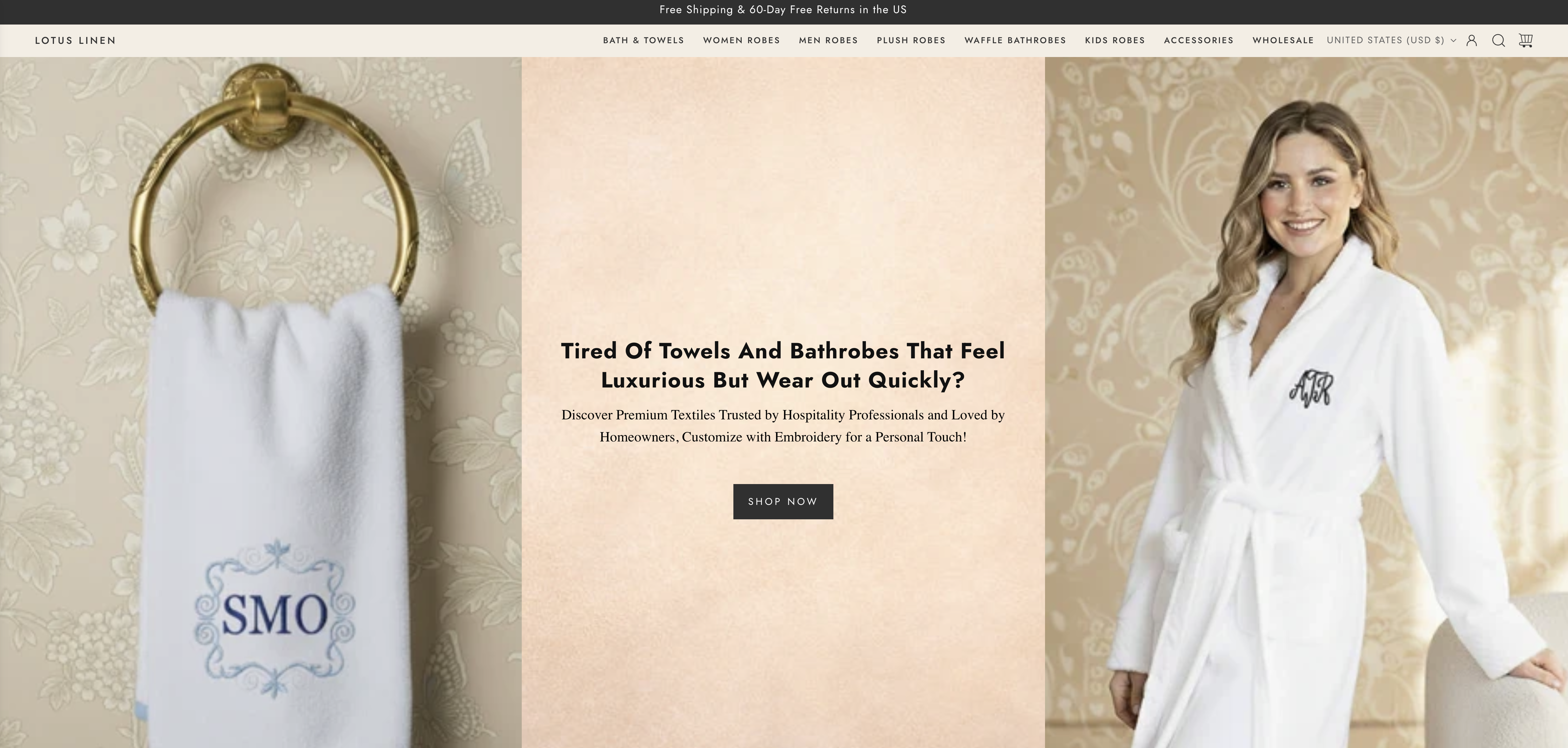
Shoplotuslinen’s personalized robes for men are designed specifically for daily home use. Made from premium materials with thoughtful construction, they hold up to frequent washing while staying soft, warm, and functional. If you want the full post-bath experience, pairing your robe with luxury quick-dry bath towels creates a cohesive, spa-quality routine at home. For anyone ready to invest in the comfort habits that actually improve how you feel inside your home, Shoplotuslinen is a strong place to start.
FAQ
What is the role of robes in home routines?
Robes serve as transitional garments that mark the shift from activity to rest, providing physical warmth and triggering the body’s relaxation response through tactile comfort. They support morning rituals, post-shower recovery, and evening wind-down habits.
How often should you wash a home robe?
Dermatologists recommend washing robes and lounge attire every three days for daily users or allergy-prone individuals. For those with normal skin who air their robe between uses, washing once or twice a week is generally adequate.
What robe fabric is best for daily home use?
Cotton, particularly terry or waffle weave, is the best all-around fabric for frequent home use. It absorbs moisture, breathes well, suits most skin types, and holds up to regular washing without losing softness.
Can robes really help with stress reduction?
Yes. The physical contact of soft fabric can engage the parasympathetic nervous system, which governs the body’s rest and recovery response. Combined with a consistent routine, robe-wearing becomes a conditioned cue for mental decompression.
How do robes fit into family routines?
Shared robe-wearing habits, especially during weekend mornings or evening wind-down time, create predictable comfort rituals that benefit all family members. Children especially respond well to visible comfort cues modeled by parents.

