
TL;DR:
- Moisture-wicking fabric performance depends on fiber chemistry and construction, not just the label.
- Choosing fabrics with proper design features will enhance comfort and moisture management during lounge wear.
Most people assume that any garment labeled “moisture-wicking” will keep them cool and dry. That assumption costs a lot of comfort. The truth is that fabric wicking performance depends on fiber chemistry and physical construction, not the words printed on a tag. In this guide, we break down the real science behind moisture-wicking loungewear, compare the top fabrics, and show you exactly how to make a smarter choice for your home, your climate, and your personal comfort routine.
Table of Contents
- What does moisture-wicking really mean for loungewear?
- Comparing popular moisture-wicking loungewear fabrics
- How design and construction impact real comfort
- Selecting the best moisture-wicking loungewear for your needs
- Why most people misunderstand ‘functional luxury’ in loungewear
- Create your own luxury comfort experience
- Frequently asked questions
Key Takeaways
| Point | Details |
|---|---|
| Fabric science matters | Moisture-wicking performance depends on fiber chemistry and how garments are constructed, not just marketing labels. |
| Best fabric choices | Bamboo, advanced synthetics, or blends with open-knit designs offer the best sweat management for loungewear. |
| Construction affects comfort | Breathability, close skin contact, and design details like mesh panels greatly improve real-world comfort. |
| Look for evidence | Products mentioning air-permeability or lab testing are more likely to deliver sustained comfort after repeated use. |
What does moisture-wicking really mean for loungewear?
Moisture-wicking is not a special coating or a marketing trick. It is a physical process. When your skin releases sweat, a wicking fabric pulls that moisture away from the surface of your skin and pushes it toward the outer face of the fabric, where it can evaporate into the air. The result is skin that stays drier for longer, which directly affects how warm, clingy, or comfortable a garment feels during extended wear at home.
The confusion starts because not all fabrics that claim to wick actually do it efficiently. Moisture-wicking effectiveness relies on fiber chemistry, specifically capillary action, and on how closely the fabric contacts your skin. Capillary action is the same force that makes a paper towel absorb liquid. In a fabric, it moves moisture through tiny channels between fibers. The narrower and more numerous those channels, the faster moisture travels.
Key insight: Fabric geometry matters as much as fiber type. A loosely woven smooth fabric may sit away from your skin and never engage capillary action at all, while a textured mesh maintains contact and moves moisture continuously.
This is why the construction of a fabric is just as important as its raw material. Here are the factors that actually determine wicking performance:
- Fiber type: Synthetic fibers like polyester and nylon have hydrophobic surfaces that push moisture outward, while natural fibers like bamboo use microstructural channels.
- Knit or weave structure: Open-knit, mesh, and waffle constructions increase the surface area exposed to air, speeding up evaporation.
- Skin contact: Fabrics that conform to body contours move moisture faster than those that hang loosely.
- Fiber fineness: Finer fibers create more channels per square inch, improving transport speed.
- Treatment: Some fabrics receive chemical finishes to enhance wicking, but these can fade with repeated washing.
When you understand these mechanics, it becomes clear why two garments with the same “moisture-wicking” tag can feel completely different after an hour of lounging. Choosing breathable materials with the right construction is the starting point for real comfort.
Comparing popular moisture-wicking loungewear fabrics
Understanding which fabrics deliver on moisture-wicking promises is only part of the story. You also need to know how each option feels against your skin, holds up over time, and performs in your specific home environment.
Bamboo viscose, polyester, nylon, and wool/silk blends are among the most recommended materials for hot sleepers and anyone prone to overheating at home. Each has distinct strengths depending on the conditions you are dealing with.
| Fabric | Moisture transport | Breathability | Softness | Best for |
|---|---|---|---|---|
| Cotton | Moderate | Moderate | High | Cool, dry climates |
| Bamboo viscose | High | High | Very high | Humid homes, hot sleepers |
| Polyester blend | Very high | Moderate | Medium | Active lounging, year-round |
| Nylon blend | High | High | Medium | High-humidity environments |
| Wool | High | Very high | Varies | Cool climates, temperature swings |
| Silk | Moderate | Very high | Very high | Mild climates, luxury focus |
Cotton is comfortable, widely available, and affordable, but it absorbs moisture and holds it against your skin rather than pushing it outward. That clammy, damp feeling after a warm afternoon at home? Almost always cotton. Bamboo viscose takes a different approach. Its fine, hollow fibers create natural channels for moisture transport, and the fabric feels notably softer than most synthetics. It is also naturally temperature-regulating, making it ideal if your home runs warm.
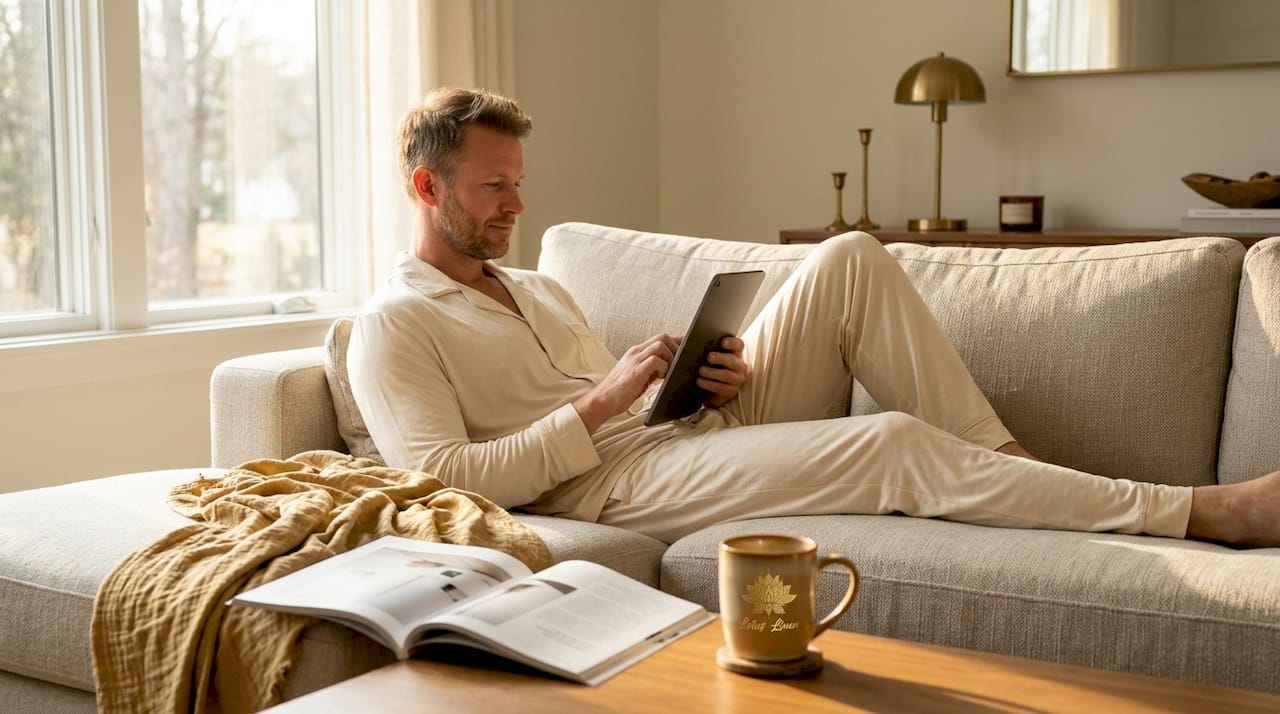
Polyester and nylon blends perform exceptionally well for active moisture management because their hydrophobic fibers actively repel water from the fiber itself, pushing it to the surface for evaporation. They are less luxurious in feel but outstanding in function. Wool, surprisingly, wicks moisture effectively while also insulating, making it a smart choice for homes with variable temperatures. Silk is breathable but not a top-tier wicker, suiting those who prioritize feel over function.
Here is when each fabric works best:
- Bamboo blends: Humid climates, hot sleepers, all-day lounging
- Polyester/nylon blends: High physical activity, intense heat, year-round versatility
- Cotton: Light lounging in cool, dry environments
- Wool: Variable seasons, cool homes, temperature-sensitive wearers
- Silk: Mild climates, special occasion loungewear, maximum softness priority
Pro Tip: Look for blends that include four-way stretch and technical fiber construction. These garments conform more consistently to your body, maintaining the skin contact that makes moisture-wicking work throughout movement and rest.
For a deeper look at how top moisture-wicking fabrics compare across a wider range of use cases, reviewing the specific properties of each material before you buy is always worth the extra five minutes. And when assessing robes and loungewear specifically, check product pages for breathable features like mesh-lined hoods, vented backs, or open-weave panels.
How design and construction impact real comfort
Once you know what makes a great fabric, it is time to see how construction turns good material into great loungewear. The same bamboo or polyester can feel completely different depending on whether it is knitted into a waffle pattern, brushed on the interior, or built with an open mesh structure.
Objective lab testing of loungewear reveals that air permeability, stretch, and durability vary widely between garments made from similar fabrics, which means the knit structure is doing significant work you cannot see on the label.
| Construction type | Air permeability | Stretch | Moisture movement | Durability |
|---|---|---|---|---|
| Waffle knit | High | Medium | High | High |
| Flat knit | Low | Low | Moderate | Very high |
| Mesh panel | Very high | High | Very high | Medium |
| Brushed interior | Low | Medium | Low | High |
| Open-knit blend | High | High | High | Medium |
Waffle knit construction is a standout. The raised grid pattern creates pockets of air between your skin and the fabric, improving both breathability and moisture evaporation. It is a construction technique we use extensively at Lotus Linen because it genuinely delivers on the comfort it promises. Brushed interiors feel plush but trap moisture close to the skin, making them better for cold, dry conditions than humid, warm ones.
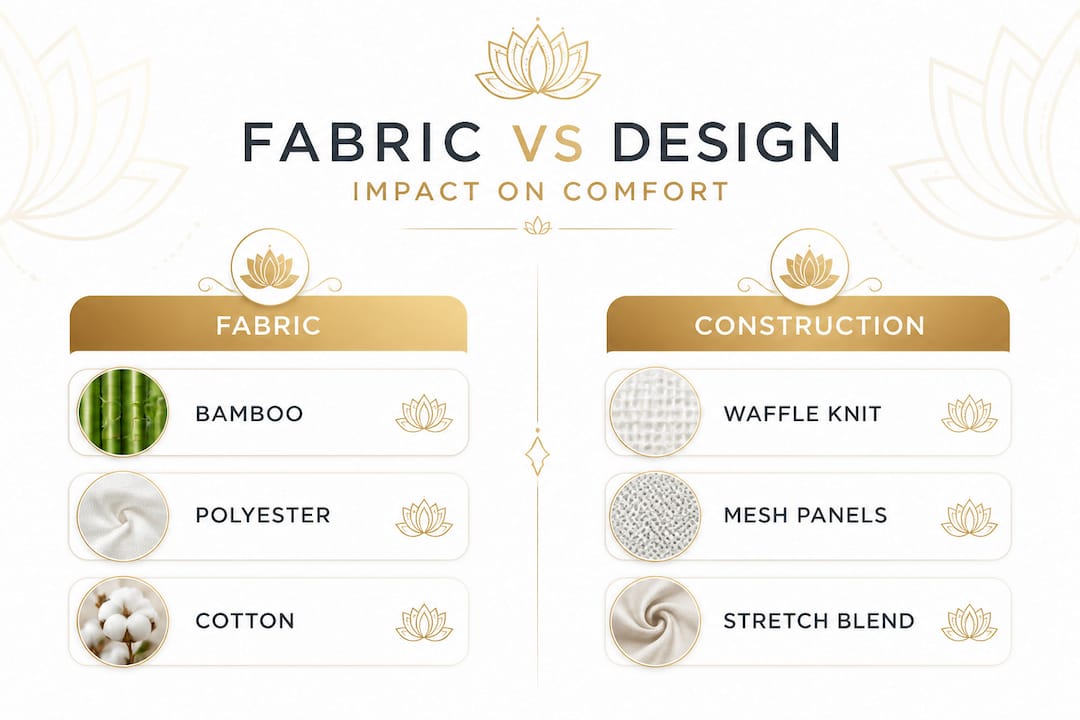
Mesh panels, when strategically placed at the back, underarm, or inner leg, dramatically increase airflow without reducing the visual elegance of a garment. Gussets, the additional fabric panels sewn into areas that move frequently, keep the fabric from pulling tight and disrupting contact, which in turn keeps wicking consistent.
Three design details that actually change how comfortable you feel:
- Panel placement: Mesh or open-knit panels at high-sweat areas (back, underarm) accelerate evaporation where it matters most.
- Fit precision: Garments that are too loose lose consistent skin contact; those too tight restrict airflow. The right fit is snug without cling.
- Seam placement: Flat-lock seams prevent irritation during extended wear and avoid creating ridges that disrupt moisture flow.
If you are looking for guidance on choosing loungewear that accounts for both fit and construction, starting with garment-specific details rather than brand name alone will always yield better results. The luxury comfort features that genuinely matter are rooted in engineering, not aesthetics alone.
Selecting the best moisture-wicking loungewear for your needs
With an actionable roadmap for your next purchase, it is worth taking a step back to apply everything in a clear, personal framework. The best moisture-wicking loungewear for someone in a coastal, humid climate looks very different from the best choice for someone in a dry mountain region. Generic advice fails because it ignores your specific situation.
Follow these five steps when shopping:
-
Assess your climate. Do you live somewhere humid, hot, dry, or variable? Humid environments need open-knit bamboo or nylon blends with maximum breathability. Dry climates allow for more fabric flexibility. If controlling humidity at home is already a challenge for you, that context should directly inform your fabric choice.
-
Know your temperature needs. Are you a hot sleeper? Do you overheat during late-morning lounging? Bamboo blends and proprietary technical fabrics deliver on moisture management, especially when air-trapping is minimized. If you run cold, look for lightweight wool or bamboo cotton blends that wick without sacrificing warmth.
-
Define your use case. Will you wear this loungewear while sleeping, working from home, entertaining guests, or doing light stretching? Active use demands higher wicking performance and stretch. Guest-ready loungewear can prioritize aesthetics alongside function.
-
Consider your style preferences. Comfort and style are not opposites. Waffle robes, open-knit sets, and elegantly cut bamboo pieces all offer real performance while looking intentional. The goal is to feel as good as you look.
-
Check aftercare requirements. A garment that loses its wicking ability after five washes is not a good investment. Review care labels for high-heat drying warnings, which can damage technical fibers, and look for fabrics rated for repeated machine washing without performance loss.
Pro Tip: For humid climates specifically, prioritize open-knit bamboo blends or garments with engineered mesh panels. These constructions work with your environment rather than fighting it. A helpful starting point is reviewing a choosing loungewear for home guide that maps fabric choices to actual living conditions.
Before completing any purchase, review the product’s stretch rating, specific construction details, and any available fabric testing data. The buyer’s attributes worth prioritizing are rarely the ones listed first on a product page.
Why most people misunderstand ‘functional luxury’ in loungewear
Here is the uncomfortable truth that most loungewear marketing will never tell you: price and prestige are poor predictors of real comfort. We have reviewed dozens of garments across every price point, and the patterns are clear. A $200 robe with an impressive brand name can leave you sweaty and uncomfortable by noon, while a thoughtfully constructed mid-range bamboo set keeps you feeling fresh all day.
True functional luxury is not visible. It lives in the tension of a well-placed waffle knit, in the weight of a fabric that breathes without billowing, in the way a garment maintains its shape after twenty washes. These are engineering decisions, not branding decisions. When we evaluate personalization in loungewear, the most meaningful customization is choosing a construction that suits your body and lifestyle, not simply adding a monogram to something that already falls short on comfort.
We have seen shoppers spend more to feel worse because they trusted visual cues over material science. Features that sound impressive, like “multi-layer thermal regulation” or “bio-adaptive fiber technology,” rarely outperform a clean, well-engineered knit with proper skin contact and breathability. The basics, done right, beat the gimmicks every time.
“No logo can replace the feel of a well-engineered knit after hours of real-world wear.”
What actually holds up: fabric construction tested for air permeability, genuine moisture transport verified by materials science, fit designed to maintain contact without restricting airflow, and aftercare performance that preserves all of the above. If a garment checks those boxes, it earns the label luxury. If it only looks the part, it is just expensive.
Create your own luxury comfort experience
At Lotus Linen, we design loungewear and robes that reflect exactly what this guide describes: real comfort built on material science, thoughtful construction, and the kind of everyday elegance that actually holds up. Whether you are looking for something to wear through a long work-from-home day, a weekend of genuine rest, or an elevated self-care ritual, our collections are built around how you actually feel, not just how you look.
Explore our men’s luxury robes and women’s luxury robes, both designed with breathable constructions, premium fabrics, and styles that balance function with aesthetic intention. If you want something truly personal, our personalized loungewear design lab lets you customize fabric, fit, and details to match your exact comfort needs. This is what functional luxury looks like when it is built from the inside out.
Frequently asked questions
Is bamboo really better than cotton for moisture-wicking loungewear?
Yes. Bamboo is naturally breathable and wicks sweat efficiently, making it a stronger choice than cotton for hot or humid home environments where moisture management matters most.
What features in loungewear help most with sweat control?
Look for open-knit or mesh panels, technical fiber blends, and a close-to-skin fit. Mesh and textured constructions increase the surface area available for moisture transport and evaporation, which is where most of the real performance comes from.
Does moisture-wicking loungewear stay effective after washing?
High-quality technical fabrics can. Luxtreme fabric in certain luxury garments showed no shrinkage, bagging, or pilling after multiple washes, retaining wicking performance over time. Always follow care instructions to protect technical fiber construction.
Are there any downsides to moisture-wicking lounge fabrics?
Some synthetic blends feel less plush against skin than natural fibers at first touch. However, blends including bamboo, nylon, and polyester consistently outperform pure cotton in humid or warm environments, and the performance trade-off is usually worth it for anyone who runs warm.

