
TL;DR:
- Choosing the right bathrobe lining impacts warmth, moisture management, care requirements, and daily comfort.
- Terrycloth offers excellent absorbency for post-shower use, while silk provides luxury but demands delicate maintenance.
- Understanding fabric features and climate needs ensures a satisfying, durable, and suitable robe for everyday wear.
Most people pick a bathrobe based on how it looks on the hanger. Soft? Check. Pretty color? Add to cart. But the lining types in bathrobes are what actually determine whether you’ll reach for that robe every single morning or push it to the back of the closet by February. The inner lining controls warmth, moisture management, how the robe feels against your bare skin, and how much effort it takes to keep it looking good. This guide breaks down every major lining type so you can stop guessing and start choosing with real confidence.
Table of Contents
- Common lining materials and their characteristics
- Understanding brushed interlock fabrics: single- vs. double-brushed linings
- How lining types impact comfort, care, and style in everyday use
- Tips for choosing the perfect lining for your bathrobe
- Why the lining choice matters more than you think in bathrobe satisfaction
- Explore premium bathrobes with expert-selected linings at Lotus Linen
- Frequently asked questions
Key Takeaways
| Point | Details |
|---|---|
| Lining affects comfort | Different bathrobe linings influence softness, warmth, and absorbency for varied uses. |
| Care matters | Some linings like silk require delicate dry cleaning, while cotton and fleece are easier to maintain. |
| Match lining to use | Choose terrycloth or waffle for post-shower and fleece or flannel for cozy lounging. |
| Fabric texture varies | Single-brushed interlock is less bulky and pilling-resistant, double-brushed is softer but heavier. |
| Consider gifting needs | Opt for linings combining luxury and practicality to suit recipients’ lifestyles. |
Common lining materials and their characteristics
The bathrobe lining materials market is wider than most shoppers realize. Each fabric brings a different set of trade-offs, and knowing them upfront saves you from expensive regrets.
Terrycloth is the gold standard for post-shower use. It is a looped cotton weave, meaning the tiny loops create surface area that pulls moisture away from your skin fast. Terrycloth is highly absorbent and made of 100% cotton loops, ideal for post-shower use. It is also one of the easiest bathrobe fabric choices to care for: toss it in the washing machine and it comes out looking almost as good as new. The downside is weight. A full terrycloth robe can feel heavy if you are lounging for hours rather than stepping out of the shower.
Silk is at the opposite end of the spectrum. It is impossibly smooth against skin, temperature-regulating, and genuinely luxurious. But silk linings require dry cleaning to preserve their sheen and softness, which adds real cost and inconvenience over time. Silk is a strong choice for a special-occasion robe or a gift for someone who genuinely has the patience for delicate care.
Fleece is a synthetic fabric (usually polyester) that traps heat exceptionally well. It is lightweight for its warmth level, dries quickly, and holds its shape wash after wash. Flannel, by contrast, is a woven cotton fabric with a slightly heavier, denser feel. Both are excellent bathrobe insulation materials for cold climates, but flannel tends to feel more traditionally cozy while fleece feels more sporty.
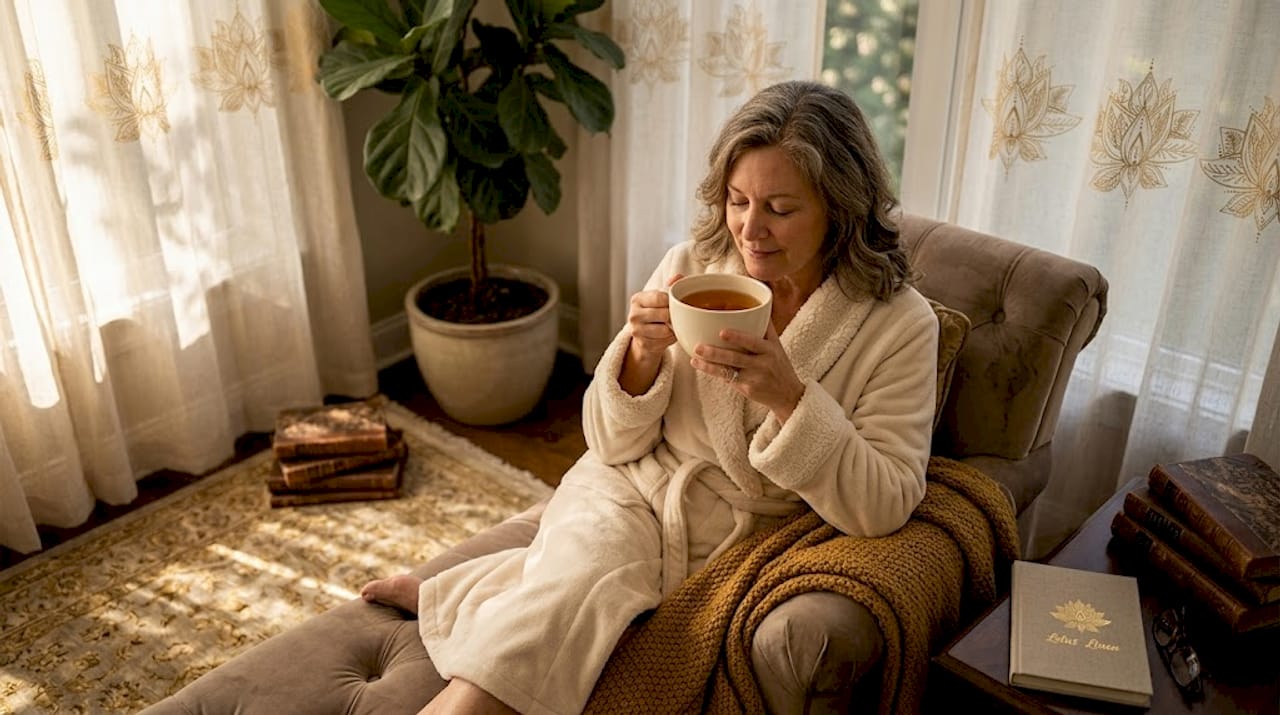
Linen is the underrated choice for warm-weather wear. It is highly breathable, wicks moisture without holding it, and gets softer with every wash. If you live somewhere with hot summers or you run warm at night, linen is one of the best soft bathrobe lining options most people have never seriously considered.
| Lining material | Absorbency | Warmth | Care level | Best use |
|---|---|---|---|---|
| Terrycloth | Very high | High | Easy (machine wash) | Post-shower |
| Silk | Low | Moderate | High (dry clean) | Lounging, gifting |
| Fleece | Low | Very high | Easy (machine wash) | Cold weather |
| Flannel | Moderate | High | Moderate (gentle wash) | Cozy lounging |
| Linen | Moderate | Low | Easy (machine wash) | Warm climates |
Pro Tip: If you want one robe for all seasons, look for a terrycloth or cotton waffle lining. Both breathe in summer and layer easily under a warmer outer shell in winter. For more detail on how fabrics compare across styles, see this bathrobe fabric guide.
Understanding brushed interlock fabrics: single- vs. double-brushed linings
With common materials covered, let’s take a closer look at brushed interlock fabric, an advanced inner lining style for robes that has grown in popularity for good reason.
Interlock fabric is a tightly knit construction where two layers of jersey are knit together, creating a fabric that is thicker and more stable than a standard single-layer knit. When that fabric is brushed, tiny fibers are raised from the surface to create a fleece-like softness. The difference between single- and double-brushed is straightforward but meaningful.
Single-brushed interlock has been brushed on only one side, typically the interior. The outer side remains smooth and relatively sleek. The result is a robe that looks polished from the outside but feels soft against your skin. Single-brushed fabric is also less prone to pilling because friction only works against the smooth exterior during regular wear.
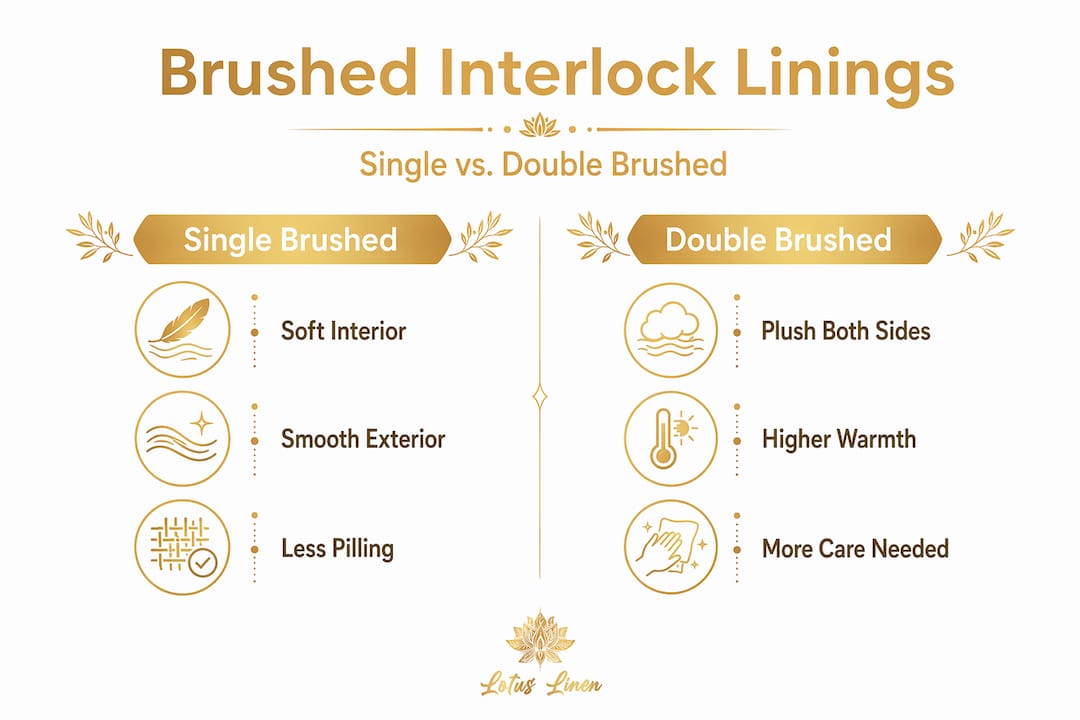
Double-brushed interlock has been brushed on both sides, giving you that plush texture from inside and out. Double-brushed interlock fabric offers plush softness on both sides but may pill more under friction. It is also bulkier, so it adds noticeable weight and volume to the robe.
| Feature | Single-brushed | Double-brushed |
|---|---|---|
| Softness (interior) | High | Very high |
| Softness (exterior) | Low | High |
| Pilling risk | Lower | Higher |
| Weight | Lighter | Heavier |
| Best for | Active wear, layering | Lounge robes, cold climates |
The choice between them comes down to how you use the robe. If you want a robe that moves with you through a busy morning routine, single-brushed keeps things manageable. If your ideal Saturday is staying in your robe until noon watching a movie, double-brushed is the winner.
Pro Tip: Double-brushed robes look magnificent on the first wear but need gentle cycle washing and air drying to fight pilling. Investing in a mesh laundry bag extends the fabric life considerably. If you are still weighing warmth versus breathability in your inner lining styles for robes, the fleece vs terry cloth comparison is worth reading before you decide.
How lining types impact comfort, care, and style in everyday use
Understanding fabric types leads directly to a more practical question: what does the lining actually change about your daily experience with the robe?
Comfort after a shower is where the qualities of bathrobe linings diverge most sharply. Cotton terrycloth linings absorb moisture without stripping lotions, making them excellent post-shower options for people who apply body lotion immediately after bathing. Silk and satin linings, while smooth, do not absorb moisture so they will feel cold and slightly damp against wet skin.
Here are four key ways lining type shapes your everyday robe experience:
- Warmth retention. Fleece and flannel linings trap body heat close to the skin. Terry and waffle weaves allow more airflow, which feels better after a hot shower but less cozy on a cold morning.
- Moisture management. Absorbent linings like terrycloth actively pull water away from skin. Synthetic linings like fleece repel moisture rather than absorb it, which means they dry faster but do not help you dry off.
- Care and washing. Cotton and fleece linings are machine-washable and forgiving. Silk requires dry cleaning, and silk-velvet blend robes are elegant but demand dry-clean-only care, which adds real long-term cost.
- Visual style. Silk and satin linings give the robe a refined, dressier look. Terry and fleece lean toward casual comfort. Waffle weave sits in between, looking intentional without being fussy.
If you are buying a robe as a gift, machine-washable linings are almost always the smarter choice. The most gorgeous silk robe in the world loses its appeal if the recipient has to take it to a dry cleaner after every wear.
For robes intended to support a home spa routine, the lining dramatically affects the experience. A terry-lined robe after a bath creates a genuine spa feeling. A silk-lined robe complements candles and a glass of wine. Knowing the purpose first makes the lining choice obvious. See how lining plays into a full robes for home spa setup.
Pro Tip: For family gifting, consider robes with a cotton terry lining for kids and teens since they need absorbency and durability above all else. Adults can handle the nuance of a more specialized lining. Browse spa robe types for more gifting inspiration across age groups.
Tips for choosing the perfect lining for your bathrobe
With these expert tips, you can confidently select a bathrobe lining perfectly suited to your lifestyle.
Knowing how to choose bathrobe lining comes down to asking yourself three honest questions before you buy.
What is the climate in your home? A household that runs cold needs fleece or double-brushed flannel. A household in a warm climate, or one where someone tends to overheat, needs linen or cotton waffle. Choosing linen or cotton depending on summer or winter use optimizes comfort and breathability across seasons.
What is the primary use? Post-shower robes need absorbent linings. Lounging robes need warmth and softness. Dressing robes, the kind you wear while getting ready in the morning, benefit from lighter linings that do not overheat you under clothes.
How much care is realistic? Be honest here. If the robe will go into a shared household washing machine weekly, choose a lining that can take that. Silk and velvet linings are beautiful but they require a care commitment most families cannot maintain consistently.
Here is a quick checklist before you finalize any robe purchase:
- Match lining thickness to your typical indoor temperature
- Confirm the washing instructions align with your routine
- Prioritize absorbency if the robe doubles as a bath towel replacement
- Choose lighter, breathable inner lining styles for robes used year-round
- Consider durability ratings if the robe will be washed more than twice a week
For a full breakdown of fabric performance across seasons, the choosing cotton bathrobes guide walks through the most important variables in plain terms.
Pro Tip: When buying for someone else, terrycloth or cotton blend linings are the safest gift choice. They are universally flattering in performance, work in any climate, and hold up beautifully over time. More detail on performance fabrics is available in this bathrobe material tips overview.
Why the lining choice matters more than you think in bathrobe satisfaction
Here is the part most bathrobe guides skip over.
Shoppers spend a lot of time evaluating the outer fabric: the texture, the weight, the color. But the lining is what you actually live in. Every time the robe is on your body, the lining is the layer touching your skin. Yet it tends to be listed as a single line in the product description, if it is mentioned at all.
The real issue is this: lining type controls the robe’s adaptability. A terrycloth lining makes a robe excellent post-shower but underwhelming during a long lounging session because it is heavy. A fleece lining makes a robe cozy for movie nights but actively counterproductive after a bath. A silk lining feels extraordinary in the moment but limits when, where, and how often you can realistically use it.
Silk linings paired with cotton shells create hybrid robes balancing absorbency and luxury. That kind of thoughtful construction is worth looking for because it solves the compromise most single-material robes force you to make.
The care complexity issue is also underestimated. A dry-clean-only robe is not just inconvenient. It is a robe you start avoiding. You will default to a simpler robe even if it is less luxurious, simply because of the friction involved in maintaining the beautiful one. Choosing a lining you can actually care for, rather than the most impressive one, leads to a robe you genuinely reach for every day.
The lining is not a footnote. It is the variable that determines whether a robe stays in heavy rotation or becomes a closet decoration. For a deeper look at how fabric construction shapes the full robe experience, the fabric types insight guide is one of the most thorough resources available.
Explore premium bathrobes with expert-selected linings at Lotus Linen
Now that you know exactly what to look for in a lining, finding the right robe becomes much easier. At Lotus Linen, every robe in the collection is built around thoughtful fabric selection, not just surface appeal. The linings are chosen to match the robe’s intended use, whether that is post-shower comfort, all-day lounging, or an elevated gifting experience for someone you want to treat.
Browse the premium women’s bathrobes collection for soft bathrobe lining options that hold up beautifully through regular washing, or explore the men’s robe collection for equally considered fabric choices. And if you are building a full home spa experience, pair your robe with the scallop bath towels for a cohesive, genuinely luxurious setup. Every piece is designed to earn a permanent place in your daily routine.
Frequently asked questions
What lining type is best for bathrobes used after showering?
Terrycloth is highly absorbent and ideal for post-shower use, made from 100% cotton loops that pull moisture away from skin quickly while providing warmth and softness.
Are silk-lined bathrobes easy to care for?
No. Silk linings require dry cleaning to preserve their quality, making them significantly more demanding to maintain than cotton or fleece-lined alternatives.
What is the difference between single-brushed and double-brushed interlock fabric linings?
Single-brushed interlock is soft on the interior with a smooth exterior and less tendency to pill, while double-brushed interlock is plusher on both sides but heavier and more prone to pilling with friction.
How should I choose a bathrobe lining for gifting?
Opt for cotton terrycloth or brushed cotton blends because they combine comfort, easy machine-washable care, and durability, making them practical and appreciated across a wide range of lifestyles and preferences.

