
TL;DR:
- Kids’ bathrobes must meet strict safety standards, including hem length, cord absence, and flammability.
- Fabric choice and certifications like OEKO-TEX impact safety, softness, and chemical-free quality.
- Proper design ensures comfort, independence, and routine support while prioritizing safety features.
Not all bathrobes for kids are just shrunken adult robes. Parents shopping for their little ones quickly discover that the differences go far beyond size. Children’s bathrobes carry their own set of safety standards, material requirements, and design features that genuinely affect your child’s well-being every single day. From flammability risks to frustrating cord hazards, the stakes are higher than most people realize. This guide walks you through what actually sets kids’ bathrobes apart, so you can make a confident choice rooted in safety, comfort, and just the right amount of fun.
Table of Contents
- Understanding safety standards for kids’ bathrobes
- How materials and certifications shape robe quality
- Design features that make a difference
- Why kids’ bathrobes enhance comfort and routine
- Our take: what most guides miss about kids’ bathrobes
- Find the perfect bathrobe for your child
- Frequently asked questions
Key Takeaways
| Point | Details |
|---|---|
| Safety is critical | Kids’ bathrobes must meet strict standards to minimize tripping and fire risks. |
| Material matters | Choose flame-resistant, certified, and chemical-free fabrics for comfort and peace of mind. |
| Design impacts safety | Features like secure closures and loose, tagless fits are key for usability and risk reduction. |
| Routine enhancer | A well-chosen robe supports routines, independence, and family bonding at home. |
Understanding safety standards for kids’ bathrobes
Children’s bathrobes face stricter oversight than adult robes for one simple reason: kids move differently, play harder, and are less aware of physical hazards around them. A long hem that an adult steps over without thinking can send a toddler tumbling down a hallway. A loose cord near the neck, harmless for a grown-up, becomes a genuine strangulation risk for a young child.
The three biggest physical hazards in kids’ robe design are tripping from excess hem length, strangulation from drawstrings or cords near the neckline, and flammability from certain fabric blends. These are not hypothetical concerns. Regulatory bodies in multiple countries have developed specific guidelines to address exactly these risks.
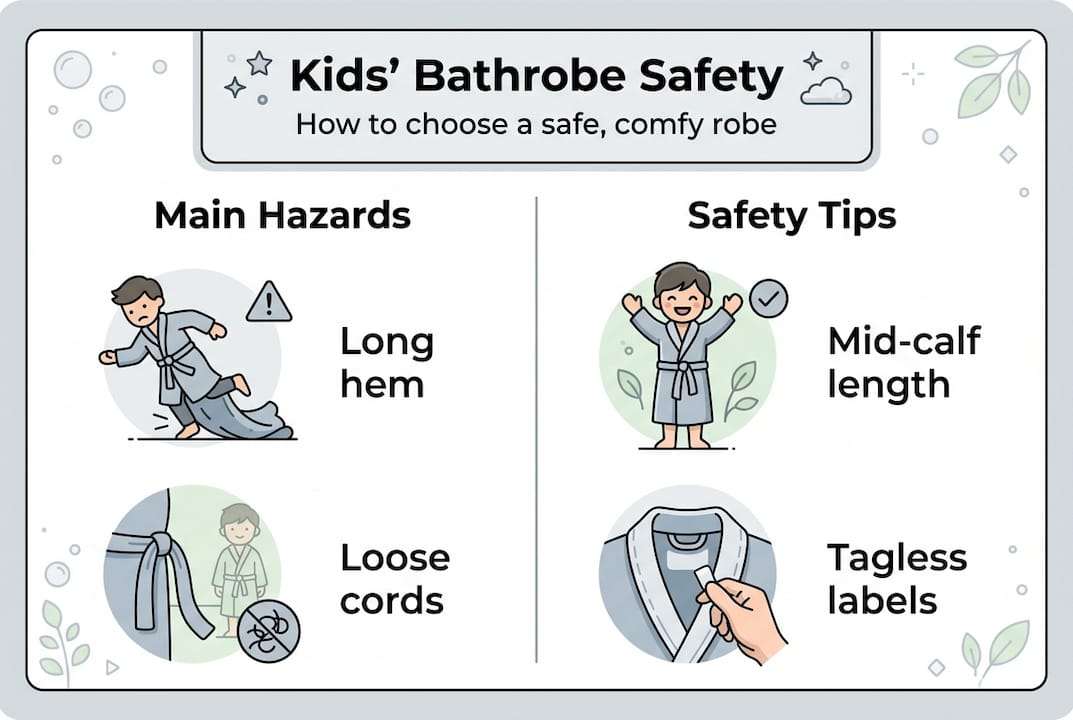
Here is a quick summary of key safety requirements to check before purchasing:
| Safety factor | What to look for | Why it matters |
|---|---|---|
| Hem length | Should not extend past mid-calf | Reduces tripping risk |
| Cords and drawstrings | Absent from hood and neck areas | Prevents strangulation |
| Flammability | Flame-resistant fabric or label | Reduces fire injury risk |
| Closures | Secure belts with fixed length | Prevents tangling hazards |
As sleepwear safety guidelines from Health Canada note, parents should avoid long hems and cords, and check flammability standards for bathrobes marketed as sleepwear. That last point is worth emphasizing: bathrobes are not sleepwear. Even if your child loves wearing their robe at bedtime, it should come off before they get into bed. Loose fabric around a sleeping child creates entanglement and overheating risks.
These bathrobe safety tips are especially relevant for toddlers and preschool-aged children, who tend to wear robes more loosely and move unpredictably. Understanding robe safety for children can help you filter out options that look adorable in photos but fall short on practical protection.
“The safest robe is one your child can move in freely, without anything dangling near their face, neck, or feet.”
Pro Tip: Look specifically for packaging or tags that state compliance with current flammability standards. Vague phrases like “soft and safe” are not the same as a certified flame-resistance claim.
How materials and certifications shape robe quality
Once you understand the safety rules, the next layer of the decision is fabric. Material choice directly determines how safe, soft, and durable a kids’ bathrobe really is, and the differences between fabric types are more significant than most parents expect.
Cotton is the most popular choice for good reason. It absorbs moisture well, feels gentle on sensitive skin, and does not retain heat in uncomfortable ways. However, untreated cotton is flammable, which matters for loose-fitting robes. Polyester and nylon are naturally flame-resistant and dry quickly, making them a smart pick when safety is the top priority. Bamboo blends offer a silky softness with natural antibacterial properties, which appeals to parents of children with eczema or sensitive skin. Blended fabrics often combine the best of multiple materials, pairing cotton’s softness with polyester’s flame resistance.
| Fabric | Softness | Absorbency | Flame resistance | Best for |
|---|---|---|---|---|
| Cotton | High | High | Low (untreated) | Everyday use, post-bath |
| Polyester | Medium | Medium | High | Safety-first families |
| Bamboo blend | Very high | High | Medium | Sensitive skin |
| Cotton/polyester blend | High | High | Medium-high | Balanced everyday use |
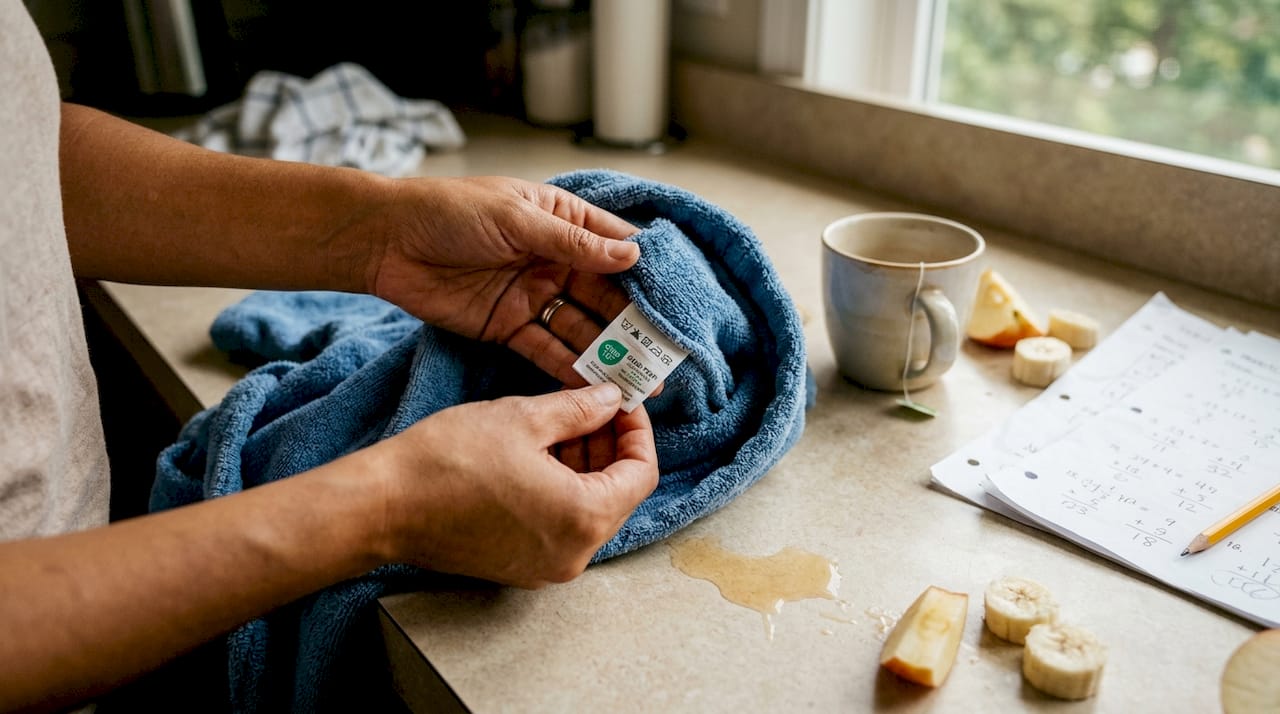
Beyond fabric type, certifications tell you what is actually in the material. Safest bathrobe materials should carry labels like OEKO-TEX Standard 100, which certifies that the fabric has been tested and found free of harmful chemicals including dyes, formaldehyde, and heavy metals. This matters enormously because children’s skin absorbs substances more readily than adult skin.
According to a detailed robust materials guide, certifications like OEKO-TEX Standard 100 ensure absence of harmful chemicals, and flame-resistant fabrics such as polyester and nylon are preferred for loose-fitting robes.
If you are unsure where to begin, this kids bathrobes buying guide breaks down the certification landscape clearly. You can also explore child-friendly bath materials to understand which blends work best at different ages.
Pro Tip: Do not just look for one certification. A robe that carries both a comfort-based certificate (like OEKO-TEX) and a flammability compliance label gives you the full picture on safety.
Design features that make a difference
Safe fabric is a great start, but design is what transforms raw material into something your child will actually wear happily every day. Kids’ robes are not just smaller versions of adult robes. They need specific structural choices that address how children move, how they put clothes on independently, and what sensory factors affect their comfort.
Here is what to check, in order of importance:
- Fit and sizing — A robe should allow free arm and leg movement without excess fabric pooling at the feet. Measure your child’s height, not just their age.
- Fasteners and closures — Secure wraparound belts with fixed, shorter lengths are ideal. Avoid full-length sashes or adjustable drawstrings near the neck.
- Hem length — Mid-calf or shorter prevents tripping without sacrificing coverage.
- Tags and labels — Scratchy inner tags cause real discomfort for sensitive kids. Look for tagless construction or soft printed labels.
- Hood style — Hoods with rounded, close-fitting shapes are fine. Oversized or floppy hoods that droop over the eyes create vision hazards.
As kids’ clothing safety tips confirm, tagless and loose-fit designs that allow movement, combined with secure closures free of cords, are critical considerations for toddlers, especially in loose garments like robes.
Fun design elements do not have to compromise safety. Here is a list of personality touches that add joy without adding risk:
- Embroidered names or initials (flat stitching, not raised applique that could irritate skin)
- Character-themed hoods like animals or superheroes with safe, close-fitting shapes
- Bright colors or patterns that kids choose themselves, boosting their enthusiasm for bath time
- Soft contrast piping along edges for visual fun without structural risk
For more specific guidance, explore bathrobe comfort for toddlers and check out these kids bathrobe buying tips for age-specific recommendations.
Pro Tip: Prioritize tagless construction and secure but simple closures. These two features alone eliminate the most common causes of skin irritation and robe-related accidents in young children.
Why kids’ bathrobes enhance comfort and routine
Beyond safety and specs, there is a softer reason why the right bathrobe matters: it becomes part of your child’s daily rhythm. Bathrobes for children are tools for transitioning, winding down, and building small but meaningful habits.
Here is how a well-chosen robe supports your family’s daily flow:
- Post-bath transition — Wrapping a warm robe around a freshly bathed child helps their body temperature stabilize while signaling that the calming part of the evening has begun.
- Encouraging independence — A robe with easy closures and the right size lets kids put it on and take it off by themselves. This builds self-confidence and reduces morning chaos.
- Bedtime routine anchor — Wearing the robe between bath and pajamas creates a consistent sensory cue that sleep is coming, which is especially helpful for children who resist bedtime.
Loose, comfortable fits and safe materials support child confidence and ease during home routines, reinforcing a sense of personal care and autonomy from an early age.
And the uses extend beyond the bathroom. Here are some bonus situations where a great kids’ robe earns its keep:
- Poolside cover-up after swimming lessons
- Quick warm layer during lazy weekend mornings
- Travel companion for hotel stays or sleepovers
- Post-sports or post-gym warmup wrap for older kids
Understanding why kid-sized robes matter goes beyond just buying the right product. It is about recognizing that small daily rituals, wrapped in the right material, build real comfort and security for your child.
Our take: what most guides miss about kids’ bathrobes
Most buying guides focus on materials and sizing, which is useful but incomplete. What rarely gets discussed is the emotional dimension of a good robe. A robe that fits well and feels soft does more than dry your child. It gives them something that is theirs, a small piece of comfort they can reach for independently. That sense of ownership matters for developing kids.
We also see parents make a common mistake: choosing one-size-fits-all options to “grow into.” In practice, oversized robes are a safety hazard and an annoyance. Kids will abandon a robe they trip over or that slides off their shoulders. Fit is function, not a luxury.
Finally, fun and safety are not opposites. The idea that a safe robe has to be plain and boring is wrong. Embroidered animals, bright colors, and soft themed hoods can all exist within a fully compliant, well-constructed garment. You just have to know which design details signal quality versus which ones signal corner-cutting.
Exploring why kid-sized robes matter shows that the right robe is not just a product. It is a small investment in your child’s comfort, confidence, and daily well-being.
Find the perfect bathrobe for your child
At Lotus Linen, we design kids’ bathrobes with every point in this guide already factored in: safe materials, certified fabrics, secure closures, and fun details that children love. You should not have to choose between cozy and safe.

Browse our full range at the Lotus Linen shop, where you will find soft, safety-tested robes alongside premium personalized robes for the whole family. Pair any robe with our luxury scallop bath towels for a complete post-bath experience your child will actually look forward to. Personalization options, matching accessories, and easy ordering make this the simplest step toward a cozier, safer routine.
Frequently asked questions
Are all kids’ bathrobes flame-resistant?
No. Only bathrobes with a specific flame-resistant label or certified flame-resistant materials carry this protection. Always check the care tag before purchasing.
What closure is safest for a child’s bathrobe?
Secure ties or snap buttons without cords or long sashes are safest. As Health Canada advises, avoiding cords near the neck eliminates one of the most preventable hazards in children’s sleepwear and robes.
How do I know if a bathrobe is chemical-free?
Look for OEKO-TEX Standard 100 certification on the label, which confirms the fabric has been tested and verified free of harmful substances.
Can kids sleep in bathrobes?
Bathrobes should be removed before sleep. Loose fabric creates entanglement and overheating risks, and as children’s sleepwear standards make clear, bathrobes are not designed or tested as sleepwear.

