
Finding the perfect balance of comfort and luxury in loungewear is no small feat for many American women. Quality fabrics like French terry offer a transformative experience at home, blending softness and sophistication with everyday ease. In fact, French terry’s breathable construction makes it a top choice for spa robes and cozy relaxation. This introduction explores the real benefits and unique qualities of French terry, helping you discover the secret to elevating self-care and home style.
Table of Contents
- French Terry Fabric – Definition And Misconceptions
- Distinct Features And Construction Details
- Common Types And Premium Fiber Blends
- Benefits For Loungewear, Spa Robes, And Comfort
- Comparing French Terry To Fleece And Alternatives
- Care Instructions For Long-Lasting Elegance
Key Takeaways
| Point | Details |
|---|---|
| Understanding French Terry | French Terry is a lightweight, breathable fabric distinct from traditional terrycloth and available in various compositions and weights. |
| Versatile Applications | It is ideal for loungewear and activewear due to its flexibility, comfort, and moisture management properties. |
| Sustainability Considerations | French Terry can be made from organic and recycled materials, making it a more eco-friendly option compared to synthetic fleece. |
| Proper Care Techniques | To maintain its quality, French Terry should be washed in cold water, air-dried, and stored to prevent stretching. |
French terry fabric – definition and misconceptions
French terry is a distinctive textile with unique characteristics that often confuse even seasoned clothing enthusiasts. Knit fabric with specialized construction, French terry represents a sophisticated approach to comfortable apparel manufacturing.
Unlike traditional terrycloth used for towels, French terry features a smooth outer surface with soft interior loops that provide exceptional warmth and breathability. The fabric can be composed of 100% cotton or blended with synthetic fibers like spandex, allowing for remarkable flexibility and comfort. Textile experts recognize this material as distinctly different from standard terry fabrics, with its refined texture making it perfect for loungewear and activewear.
Common misconceptions about French terry include assuming it’s identical to towel terry or that it’s exclusively a heavyweight fabric. In reality, French terry comes in various weights and compositions, ranging from lightweight summer options to heavier winter garments. The key distinguishing feature is its unique knit construction - smooth on the outside, with soft interior loops that trap warmth while remaining breathable.
Pro tip: When shopping for French terry items, always check the fabric weight and fiber composition to ensure you select the right garment for your specific comfort and style needs.
Distinct features and construction details
French terry represents a sophisticated textile with intricate engineering that sets it apart from other knit fabrics. Specialized knit construction defines its unique characteristics, creating a material that balances comfort, flexibility, and aesthetic appeal.
The fabric’s hallmark feature is its distinctive two-sided texture: a smooth, flat exterior and an interior with soft, short yarn loops. Warp-knitted textile techniques enable this remarkable design, which traps warmth while maintaining breathability. These interior loops are strategically shorter than traditional terry cloth loops, allowing the fabric to remain lightweight and adaptable to various clothing styles.
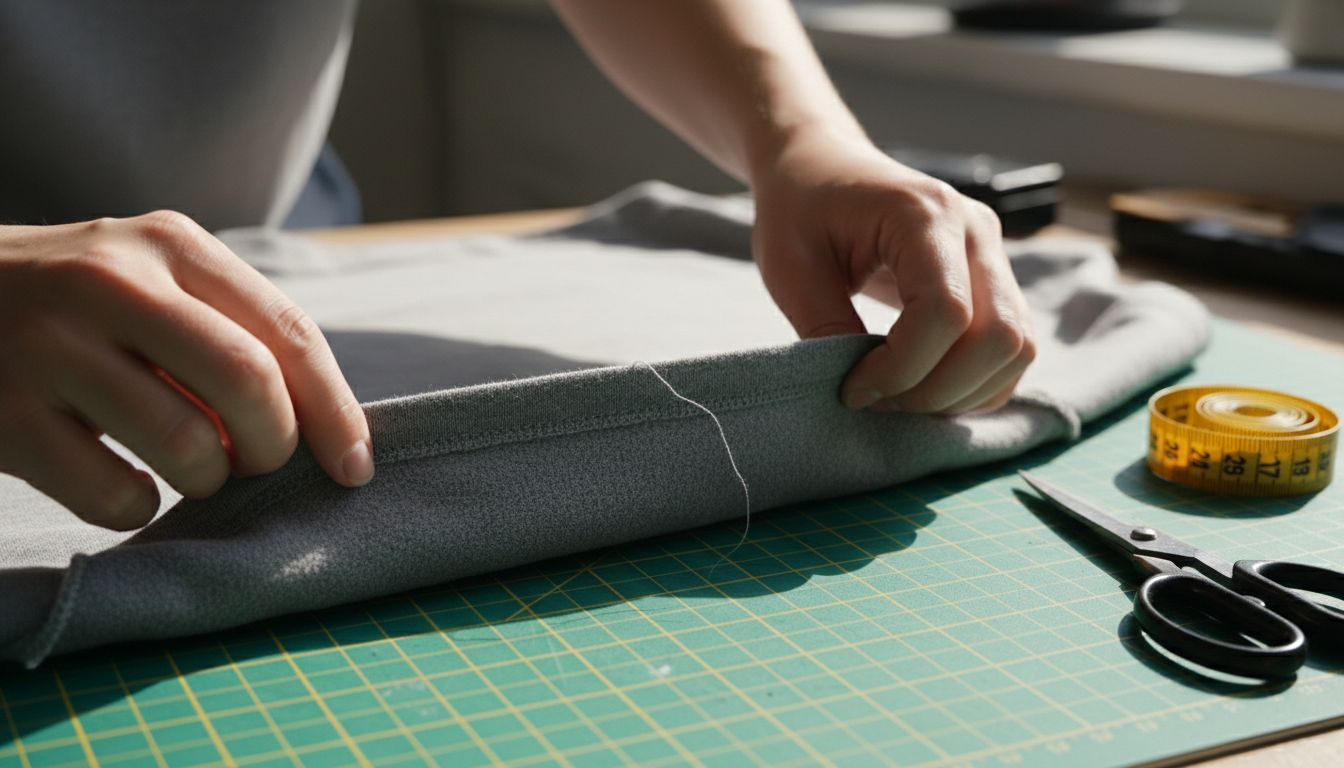
Construction details reveal French terry’s complexity beyond surface appearances. The fabric can be manufactured using different fiber compositions - ranging from 100% cotton to blended materials incorporating elastane or polyester. This versatility allows manufacturers to adjust weight, stretch, and thermal properties, making French terry suitable for everything from summer loungewear to winter athletic apparel. The precise knit tension and loop height determine the fabric’s final performance characteristics.
Pro tip: When evaluating French terry garments, examine the fabric’s weight and stretch percentage to ensure it matches your intended use and comfort preferences.
Common types and premium fiber blends
French terry fabric offers remarkable versatility through its diverse fiber compositions, enabling manufacturers to create materials tailored for specific performance needs. Textile blending techniques allow for sophisticated combinations that enhance fabric functionality and comfort.
The most common French terry types include pure cotton, cotton-spandex blends, and synthetic combinations. Pure cotton versions offer breathability and natural softness, while cotton-polyester blends) provide enhanced durability and moisture-wicking properties. Synthetic blends incorporating polyester or elastane deliver superior stretch recovery and improved thermal regulation, making them ideal for activewear and performance clothing.
Premium fiber blends represent the pinnacle of French terry engineering. These advanced compositions might incorporate recycled fibers, organic cotton, or high-performance synthetic materials designed to meet specific consumer needs. Some luxury versions include sustainable bamboo fibers or merino wool blends, which offer exceptional temperature regulation and environmental consciousness. The precise ratio of fibers determines the fabric’s final characteristics, influencing everything from weight and stretch to moisture management and overall comfort.
The following table summarizes common French terry fiber blends and their performance benefits:
| Fiber Blend | Comfort Level | Performance Benefit | Sustainability |
|---|---|---|---|
| 100% Cotton | Very soft | Highly breathable | Renewable, natural |
| Cotton-Polyester | Soft, durable | Improved moisture wicking | Moderate, some blends |
| Cotton-Spandex/Elastane | Flexible, smooth | Enhanced stretch | Varies by percentage |
| Bamboo or Merino Blends | Luxuriously soft | Superior temperature control | High, if certified |
Pro tip: When selecting French terry garments, consider the fiber blend percentages to match your specific comfort, performance, and sustainability preferences.
Benefits for loungewear, spa robes, and comfort
French terry fabric emerges as a quintessential material for luxurious loungewear, offering unparalleled comfort and versatility. Breathable fabric characteristics make it an exceptional choice for those seeking relaxation and soft, adaptive clothing that moves with the body.
The fabric’s unique construction provides remarkable benefits for spa robes and at-home comfort wear. Its soft interior loops create gentle insulation, while the smooth exterior ensures a sleek, comfortable feel against the skin. Sustainable fabric selection highlights French terry’s ability to balance thermal regulation with lightweight performance, making it ideal for those seeking both comfort and style in their loungewear.
When considering spa and relaxation attire, French terry stands out for its exceptional moisture management and flexible properties. The fabric adapts to body temperature, providing warmth without excessive weight, and its subtle stretch allows for unrestricted movement. Whether used in robes, loungewear, or casual home accessories, French terry delivers a premium experience that combines functionality with understated elegance. 10 Personalized Robe Ideas for Comfort and Style showcase how versatile this fabric can be in creating personalized comfort experiences.
Pro tip: Layer French terry pieces for customizable comfort, allowing you to adjust warmth and style throughout different times of day and activities.
Comparing French terry to fleece and alternatives
French terry and fleece represent two distinct fabric technologies with unique characteristics that appeal to different comfort needs. Fabric performance differences reveal nuanced approaches to warmth, breathability, and sustainability.
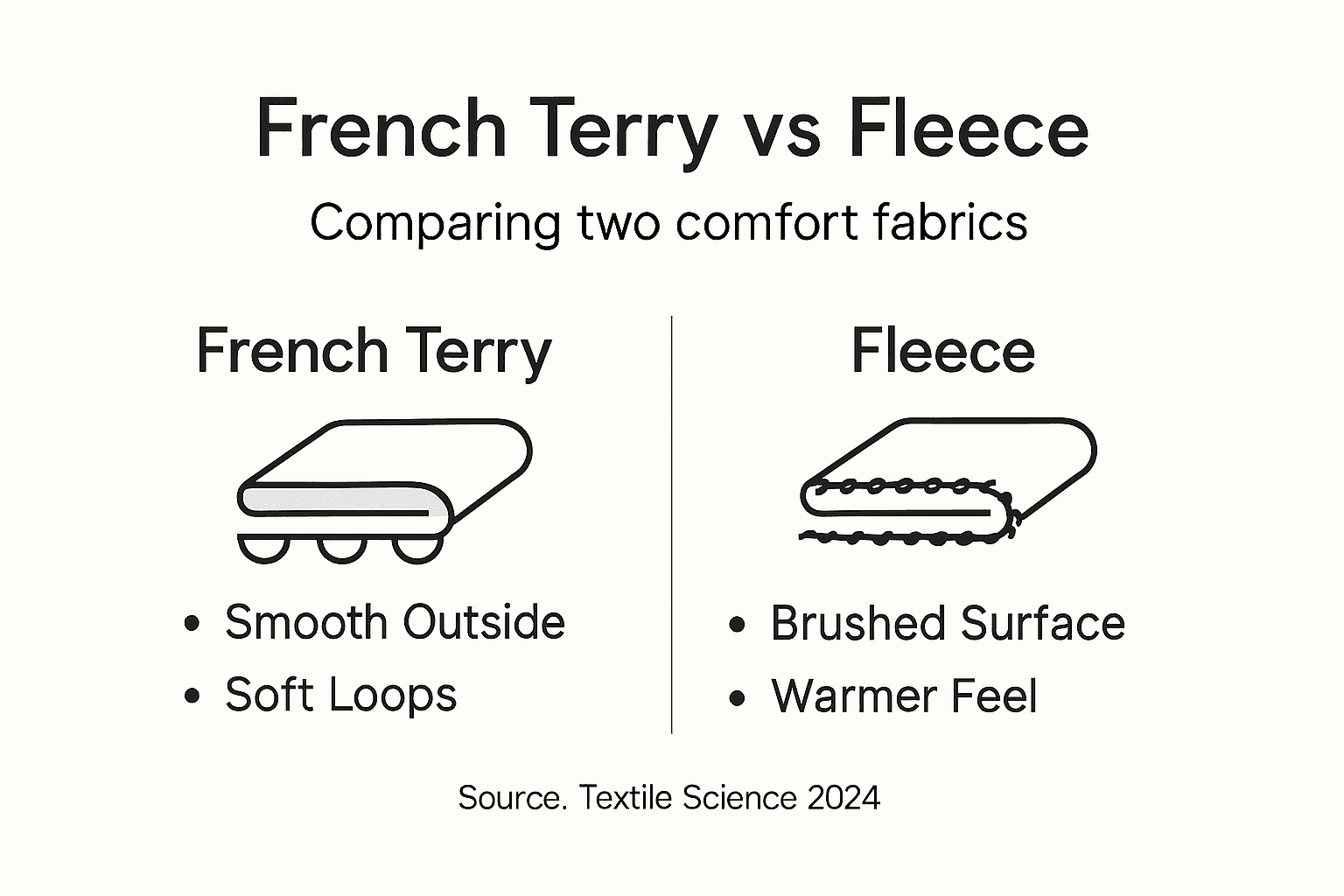
Fleece typically features a synthetic polyester construction with a fuzzy, brushed surface designed for maximum thermal insulation. In contrast, French terry offers a more refined approach with its smooth exterior and interior knit loops, providing moderate warmth without the bulky feel. Textile insulation properties demonstrate that while fleece excels in outdoor and high-performance scenarios, French terry shines in versatile, everyday comfort applications.
Eco-conscious consumers will appreciate that French terry presents a more sustainable alternative to traditional polyester fleece. Unlike fleece, which can shed microplastics and relies heavily on synthetic materials, French terry can be produced using natural fibers like organic cotton. The fabric’s construction allows for better breathability and temperature regulation, making it an intelligent choice for those seeking comfort without compromising environmental responsibility. Its lightweight nature and ability to adapt to body temperature make French terry a superior option for loungewear, spa accessories, and casual clothing.
Here’s a comparison of French terry, terrycloth, and fleece fabrics to clarify their unique attributes:
| Feature | French Terry | Terrycloth (Towel Terry) | Fleece |
|---|---|---|---|
| Surface Feel | Smooth outside, soft loops | Loops on both sides | Fuzzy, brushed finish |
| Typical Composition | Cotton or blends | Primarily 100% cotton | Mostly synthetic polyester |
| Main Use | Loungewear, activewear | Towels, bathrobes, spa textiles | Outdoor, cold-weather apparel |
| Warmth vs. Weight | Moderate warmth, lightweight | High absorbency, heavier weight | High warmth, bulkier |
| Sustainability Options | Organic/recycled fibers | Organic cotton available | Often synthetic, less eco |
Pro tip: When selecting between fleece and French terry, consider your primary use – choose fleece for outdoor activities and French terry for everyday comfort and style.
Care instructions for long-lasting elegance
French terry requires thoughtful maintenance to preserve its luxurious texture and appearance. Fabric care guidelines emphasize a gentle approach that protects the fabric’s delicate knit structure and maintains its sophisticated feel.
Washing French terry demands careful attention to temperature and technique. Always use cold or warm water with a mild detergent, selecting gentle wash cycles to prevent unnecessary fiber stress. Textile maintenance techniques recommend turning garments inside out to minimize surface abrasion and protect the fabric’s distinctive looped interior. Avoid fabric softeners and bleach, which can break down the fabric’s natural fibers and compromise its soft, breathable qualities.
Drying methods are crucial in maintaining French terry’s elegant appearance. Low-heat tumble drying or air drying helps prevent shrinkage and preserves the fabric’s unique texture. Avoid high heat and direct sunlight, which can cause fiber breakdown and color fading. For best results, lay garments flat to dry, ensuring they maintain their original shape and softness. Ironing is typically unnecessary due to the fabric’s natural knit construction, but if required, use the lowest heat setting and avoid direct contact with the iron.
Pro tip: Store French terry garments folded or hung loosely to prevent stretching and maintain their original shape and luxurious feel.
Experience the Luxury of French Terry with Lotus Linen
If you crave ultimate comfort combined with elegant style French terry fabric offers the perfect solution. This fabric’s smooth exterior and soft interior loops provide breathable warmth and flexibility essential for premium loungewear and spa robes. At Lotus Linen we understand your need for softness, durability, and mindful sustainability as highlighted in the article. Our collection of plush and customizable robes harnesses the benefits of French terry fabric to deliver clothing that adapts beautifully to your lifestyle.

Discover the difference that quality construction and thoughtful fiber blends make when you explore our range designed for men, women, kids, and families. Don’t settle for ordinary robes when you can embrace the luxurious texture and temperature regulation of French terry. Visit Lotus Linen now to elevate your comfort and style with spa accessories and robes that truly care for your wellbeing.
Frequently Asked Questions
What is French terry fabric, and how does it differ from traditional terrycloth?
French terry fabric is a unique textile characterized by a smooth outer surface and soft interior loops. Unlike traditional terrycloth, which is heavier and used mainly for towels, French terry is lighter, more breathable, and suitable for loungewear and activewear.
What are the benefits of using French terry fabric for loungewear?
French terry fabric offers exceptional comfort due to its breathable nature and soft texture, making it perfect for loungewear. Its unique construction provides warmth without excess weight and allows for flexibility and ease of movement.
How should I care for French terry garments to maintain their quality?
To care for French terry, wash in cold or warm water with a mild detergent, using a gentle cycle. Avoid fabric softeners and high heat in the dryer. Air drying or using low-heat tumble drying is recommended to prevent shrinkage and maintain texture.
What are the differences between French terry and fleece?
French terry fabric features a smooth exterior and soft looped interior, providing moderate warmth and breathability, while fleece has a fuzzy surface made from synthetic materials, designed for maximum insulation. French terry is generally lighter and more versatile for everyday use compared to fleece, which is preferred for outdoor activities.
Recommended
- What Is Terry Cloth? Guide to Cozy, Stylish Choices 2025 – Lotus Linen
- How to Choose Bath Towels: Selecting the Perfect Luxe Towels – Lotus Linen
- Create Custom Embroidered Logo Robes for Luxurious Comfort – Lotus Linen
- Create Luxurious Custom Embroidered Robes for Any Occasion – Lotus Linen
- 2021 Design Trends You Need to Try

