
TL;DR:
- Choosing eco-friendly bath gadgets involves prioritizing water efficiency, durability, and ease of maintenance to maximize sustainability. Quality products like WaterSense-certified showerheads and biodegradable accessories can significantly reduce water and plastic waste while fitting your bathroom style. Proper maintenance and integrating eco-friendly linens create a comprehensive, responsible bathroom routine that balances functionality and environmental impact.
Finding eco-friendly bath gadgets that actually look good in your bathroom is harder than it sounds. Most products promise sustainability but deliver clunky designs, confusing installation, or maintenance routines that end up wasting more water than they save. The good news is that the market has matured considerably, and there are now genuinely excellent options across every price point. This article walks you through what to look for, which products stand out, and how to build a bath routine that’s as beautiful as it is responsible.
Table of Contents
- Key criteria for eco-friendly bath gadgets
- Top eco-friendly showerheads for water savings and style
- Eco-friendly bath accessories for gentle care and sustainability
- Comparing eco-friendly bath gadgets: features, water savings, and cost
- Choosing the right eco-friendly bath gadgets for your style and home
- The hidden sustainability factor: maintenance matters more than you think
- Explore sustainable bath linens and robes to complete your eco-friendly bathroom
- Frequently asked questions
Key Takeaways
| Point | Details |
|---|---|
| Look beyond labels | Consider water efficiency together with ease of maintenance for true eco-friendliness. |
| Prioritize easy upkeep | Gadgets designed for simple cleaning help reduce chemical and water waste over time. |
| Balance style and function | Choose products that fit your aesthetic while delivering sustainable performance. |
| Compare total costs | Weigh upfront price against long-term savings and maintenance to find the best value. |
| Complete your routine | Pair eco-friendly gadgets with sustainable linens and accessories for a holistic approach. |
Key criteria for eco-friendly bath gadgets
Before you buy anything, you need a clear filter. The label “eco-friendly” gets applied to so many products that it’s become almost meaningless without context. Here’s what actually matters.
Water efficiency is the obvious starting point, but don’t stop at labels. The U.S. EPA WaterSense program is a useful baseline, though water efficiency doesn’t stop at WaterSense labels. True efficiency also includes how you maintain the product over time and whether cleaning it requires extra water or harsh chemicals.
Durability is the most underrated sustainability factor in this category. A cheap showerhead that clogs in 18 months and lands in a landfill is never eco-friendly, regardless of its GPM rating. Timeless design matters here too. A brushed nickel finish that looks dated in three years drives replacement cycles. Choosing sustainable materials and classic aesthetics reduces waste in a way that flow rates alone can’t measure.
Ease of maintenance is where most eco-shoppers miss the mark. A product you can clean without soaking in vinegar for hours, without chemical descalers, and without special tools compounds its eco-benefits every single week.
When evaluating any green shower accessory or natural bath item, run it through this checklist:
- Does it carry WaterSense certification or a comparable verified standard?
- Can it be cleaned with minimal water and no harsh chemicals?
- Is it made from durable, non-toxic materials with a warranty to match?
- Does the design fit your bathroom long-term, not just right now?
- Is it reusable, recyclable, or made from recycled content?
A balance between eco attributes and personal style is not a luxury. If you don’t love the way it looks, you’ll replace it sooner, and that negates half the sustainability benefit.
Pro Tip: When comparing sustainable bathroom products, calculate the cost per gallon saved over three years, not just the sticker price. A $60 showerhead that lasts a decade beats a $25 one you replace twice.
With clear criteria in hand, you can confidently evaluate specific eco-friendly bath gadgets.
Top eco-friendly showerheads for water savings and style
Showerheads are where water savings are most dramatic and where design variety is widest. These are the categories worth knowing.
Delta’s water-efficient line is a strong entry point for most households. The 1.75 GPM model installs fast with no special tools and uses Touch-Clean spray holes to reduce mineral buildup without chemicals. That last detail matters more than most buyers realize. Touch-Clean means you wipe the rubber nozzles with your finger to clear deposits, rather than soaking the head in descaler. Less chemical use, less water waste, less time spent on maintenance.
Moen’s Eco-Performance handheld showerheads take a different approach, combining WaterSense certification with genuinely attractive finishes like brushed gold, matte black, and polished chrome. Handheld models also offer practical water savings because you direct the spray exactly where you need it, reducing the overspray that wall-mounted heads produce.
When shopping this category, look for:
- Flow rates at or below 1.8 GPM (the standard for WaterSense certification)
- Spray settings that maintain pressure at lower flow rates
- Finishes that resist spotting and mineral deposits visually
- Tool-free installation for easier cleaning and removal
- Compatibility with standard U.S. plumbing connections
The durability factor is worth repeating here. A showerhead with a lifetime warranty from a reputable brand is almost always the better eco-choice compared to a cheaper alternative that corrodes within a few years. Checking durability in bath gadgets before purchasing pays off over time.
Pro Tip: If you have hard water, look specifically for showerheads with rubberized nozzles rather than fixed holes. They resist calcium buildup and stay cleaner between maintenance sessions.
Next, we’ll expand beyond showerheads to explore other eco-friendly bath gadgets that contribute to sustainable self-care.
Eco-friendly bath accessories for gentle care and sustainability
Showerheads get most of the attention, but the accessories you use every day add up in both environmental impact and skin health. This is where biodegradable bath tools and reusable bath essentials make a real difference.
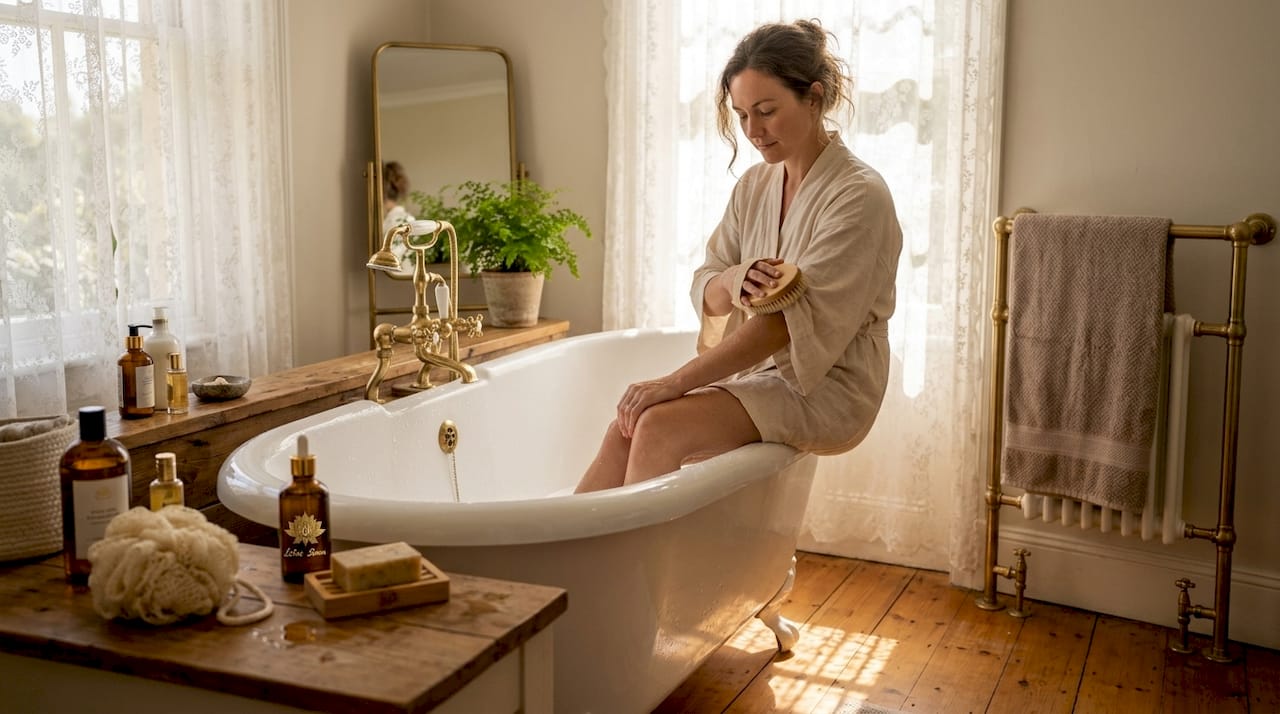
The most widely recommended option in this category is the EcoTools EcoPouf, made from 100% recycled netting, vegan, cruelty-free, and packaged with FSC-certified paper, providing a gentle, eco-friendly cleansing option for all skin types. The recycled netting delivers effective exfoliation without microplastic shedding, which is a significant issue with conventional plastic poufs.
Beyond poufs, your accessory drawer is worth auditing entirely. Consider:
- Bamboo bath brushes for body exfoliation, which biodegrade at end of life
- Organic cotton washcloths as a reusable alternative to single-use wipes
- Solid shampoo and conditioner bars that eliminate plastic bottle waste entirely
- Natural loofah grown from the luffa plant, a fully biodegradable option for gentle daily use
The skin care angle is worth taking seriously. Sensitive skin responds better to natural materials than to synthetic fibers, and natural bath items tend to be gentler by default. Pairing these accessories with sustainable bath accessories like organic towels and robes compounds the benefit.
Pro Tip: Replace your bath pouf every 4 to 6 weeks to prevent bacterial buildup. With a recycled-material pouf, you’re still reducing plastic waste compared to conventional alternatives even with regular replacement.
Having covered specific products, let’s step back and compare these bath gadgets side by side to help you choose what fits your needs best.
Comparing eco-friendly bath gadgets: features, water savings, and cost
Here’s where the numbers get interesting. Not all eco-friendly bath gadgets offer equal value, and the highest-tech option is rarely the right choice for most households.
| Product | Water savings | Installation | Maintenance | Cost range | Style options |
|---|---|---|---|---|---|
| Delta 1.75 GPM showerhead | ~30% vs. standard | Tool-free, 10 min | Finger-wipe nozzles | $20 to $60 | Multiple finishes |
| Moen Eco-Performance handheld | ~20% vs. standard | Tool-free, 15 min | Standard cleaning | $40 to $120 | Brushed gold, chrome, matte black |
| EcoTools EcoPouf | N/A (accessory) | No installation | Replace every 4 to 6 weeks | $5 to $10 | Multiple colors |
| Kohler smart shower | Up to 80% recirculation | Professional required | High complexity | $5,000 to $6,000 | Custom |
The Kohler smart shower is genuinely impressive from an engineering standpoint. Eighty percent water recirculation is a number that should get attention. But the $5,625 starting price and professional-only installation make it inaccessible for most households, and the complexity of the system means maintenance itself becomes a sustainability variable.
The Delta and Moen options sit in a sweet spot: meaningful water savings, low cost, and minimal maintenance. For the majority of readers, these represent the best eco-friendly bath products in terms of actual return on investment, both financial and environmental.
Key takeaways from the comparison:
- Affordable showerheads often deliver 20 to 30% water savings with zero installation complexity
- High-tech systems offer greater savings but require professional setup and higher maintenance
- Accessories like eco poufs have negligible cost and immediate sustainability impact
- Maintenance complexity affects long-term eco-friendliness as much as flow rate does
Choosing the right eco-friendly bath gadgets for your style and home
The specs are only half the decision. The other half is whether the product actually works in your bathroom, physically and aesthetically.
Start with your existing finishes. If your faucets are brushed nickel, a matte black showerhead creates visual friction that tends to drive early replacement. Choose finishes that match or intentionally complement your existing hardware. Consistency in design reduces the urge to upgrade prematurely.
Consider your water quality. Hard water areas benefit most from Touch-Clean or rubberized nozzle designs, which reduce descaling frequency. Reducing water waste includes considering ease of maintenance to avoid extra water or chemical use. This is especially true in regions where mineral buildup happens within weeks rather than months.
Think about your full bathroom ecosystem. The best eco-friendly personal care routine isn’t built on one gadget. It’s built on consistent choices across every product you use. Integrating bath gadgets with eco linens like organic cotton towels or waffle-weave robes creates a bathroom that lives its sustainability values from floor to ceiling. If you’re also considering outdoor relaxation, it’s worth noting that eco-friendly hot tubs have evolved significantly in energy efficiency.
Pro Tip: Before replacing any bath gadget, clean it thoroughly first. Many underperforming showerheads just need a descaling session. The most sustainable upgrade is often no upgrade at all.
Sustainable bathroom products work best as a system, not as individual purchases. Build your bathroom upgrade list by starting with the highest water-use items (showerhead), then layering in accessories and linens for a complete picture.
Now, let’s share a fresh perspective on what makes an eco-friendly bath gadget truly worthwhile beyond the specs.
The hidden sustainability factor: maintenance matters more than you think
Here’s something most eco-product reviews skip entirely. A low-flow showerhead that is difficult to descale may lead to increased water and chemical use over time, undermining water savings. That’s the uncomfortable reality of this category.
We spend a lot of time looking at GPM ratings and certification logos. We spend almost no time asking: what does it take to keep this product working well? A showerhead that clogs every three months, requires soaking in chemical descaler, and needs partial disassembly to clean properly is not actually eco-friendly in practice. It’s eco-friendly on paper.
The brands that get this right, like Delta with their Touch-Clean spray holes, have built maintenance and sustainability into the product design rather than treating them as separate concerns. Wiping a rubber nozzle takes ten seconds and uses zero products. Soaking a clogged showerhead in vinegar for two hours uses water, time, and often ends with a replacement anyway.
Our honest recommendation is this: before any other criterion, ask how you clean it. If the answer is complicated, look elsewhere. The greenest product is one you actually maintain properly, not the one with the most impressive water-efficiency claims.
Explore sustainable bath linens and robes to complete your eco-friendly bathroom
Your bath gadget upgrades deserve a full ecosystem to match. At Lotus Linen, we make it easy to extend your sustainable self-care routine from the shower to the moment you wrap yourself in something that feels genuinely luxurious.
Our luxury waffle robes are made with comfort and environmental consciousness woven in, literally. Pair them with our personalized scallop bath towels, crafted with thoughtful detailing and available with custom personalization for a bath experience that feels uniquely yours. For a truly personalized touch, explore our full range of personalized robes for men and women. When your towels and robes match the intention behind your water-saving showerhead, your entire bathroom becomes a space you’re proud of.
Frequently asked questions
What makes a showerhead eco-friendly?
Eco-friendly showerheads reduce water flow while maintaining performance and often include features that simplify maintenance to reduce waste over time. Delta’s Touch-Clean spray holes reduce chemical use by easing mineral residue cleaning, which is a design detail that compounds the water-saving benefit over years of use.
Are eco-friendly bath gadgets more expensive?
Some are, but many aren’t. Simple WaterSense-certified showerheads are genuinely budget-friendly and deliver real water savings. Kohler’s smart shower hardware is costly at over $5,000, but effective water-efficient showerheads start under $30.
How do I maintain eco-friendly bath gadgets to maximize their benefits?
Regular cleaning with minimal chemicals and addressing mineral deposits quickly keeps water efficiency high and avoids the need for harsh treatments. Delta recommends wiping mineral residue without soaking or chemicals for the best long-term eco impact.
Can eco-friendly bath accessories like poufs be sustainable?
Yes, and significantly so. The EcoTools EcoPouf is made with recycled netting, vegan materials, and FSC-certified packaging, making it a strong choice for gentle, low-impact cleansing that won’t compromise sensitive skin.
Recommended
- 7 Sustainable Bath Linen Options for Eco-Conscious Living – Lotus Linen
- Understanding Eco-Friendly Bath Towels: Comfort and Care – Lotus Linen
- Complete Guide to Eco-Friendly Bath Linens – Lotus Linen
- Vegan bathrobes | Modern Resorts – Lotus Linen

