
Daily stress and tension can take a serious toll on your body and mind. Between work deadlines, family responsibilities, and endless to-do lists, finding time for self-care often falls to the bottom of the priority list. DIY bath spa treatments offer an accessible, affordable solution that transforms your bathroom into a personal wellness sanctuary. This guide walks you through everything needed to prepare, execute, and enjoy a soothing home bath spa experience that rivals professional treatments, all while fitting seamlessly into your schedule and budget.
Table of Contents
- Gathering Your Bath Spa Essentials
- Step-by-Step Guide To Creating Your Bath Spa Treatment
- Post-Bath Care And Maximizing Spa Benefits
- Enhance Your DIY Bath Spa With Lotus Linen
- Frequently Asked Questions
Key takeaways
| Point | Details |
|---|---|
| Pain relief benefits | Epsom salt baths reduce arthritis pain and improve physical function effectively |
| Aromatherapy power | Essential oils provide therapeutic relaxation through safe, clinical aromatherapy applications |
| Proper preparation | Gathering quality ingredients and setting up your environment ensures optimal spa results |
| Step-by-step success | Following clear instructions maximizes relaxation benefits and protects your skin |
| Post-bath care matters | Using proper robes, towels, and moisturizing extends wellness effects long after bathing |
Gathering your bath spa essentials
Creating an effective DIY bath spa starts with selecting the right ingredients and materials. Quality matters when it comes to therapeutic benefits, so understanding what each component brings to your experience helps you make informed choices. The foundation of most bath treatments includes Epsom salts, essential oils, and natural additives like dried herbs, oatmeal, or clay. These ingredients work together to relax muscles, soften skin, and create a calming sensory experience.
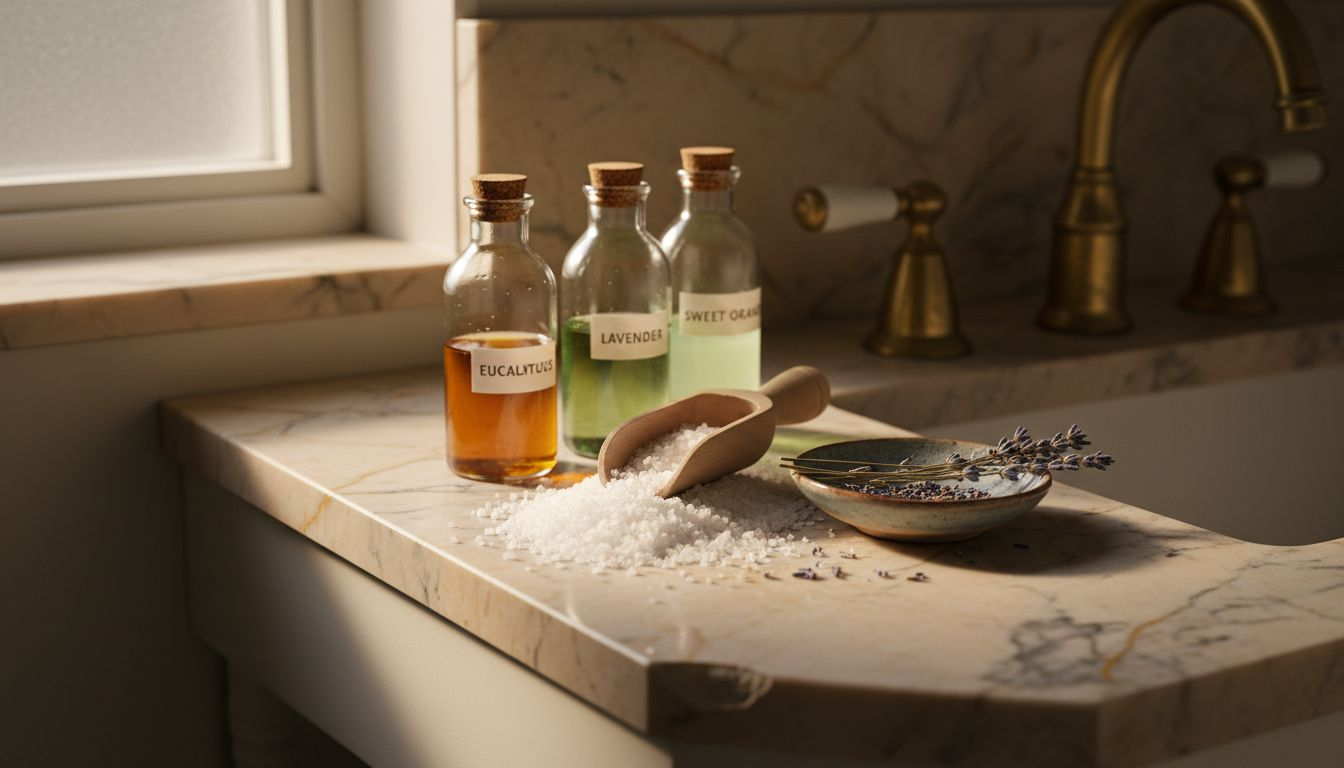
Research shows that Epsom salt baths reduce pain and enhance function in arthritis patients, making them valuable for anyone dealing with muscle soreness or joint discomfort. Essential oils add another dimension through aromatherapy, with studies confirming that phytoconstituent based essential oils play significant therapeutic roles in clinical settings. When combined thoughtfully, these ingredients create powerful wellness experiences.
Before starting your bath spa treatment, gather these prerequisite materials:
- Clean bathtub scrubbed free of soap residue or buildup
- Fresh towels and a comfortable robe for post-bath comfort
- Candles or dimmable lighting to create ambiance
- Soft background music or nature sounds if desired
- Water thermometer to monitor temperature accurately
- Small bowl for mixing oils with carrier substances
The table below compares popular bath additives with their specific benefits and recommended amounts:
| Additive | Primary Benefit | Recommended Amount | Best For |
|---|---|---|---|
| Epsom Salt | Muscle relaxation, pain relief | 1 to 2 cups | Sore muscles, arthritis |
| Lavender Oil | Stress reduction, sleep quality | 5 to 10 drops diluted | Anxiety, insomnia |
| Colloidal Oatmeal | Skin soothing, itch relief | Half cup | Dry skin, eczema |
| Dried Rose Petals | Aromatherapy, skin softening | Quarter cup | Romantic relaxation |
| Bentonite Clay | Detoxification, deep cleansing | Half cup | Skin detox, acne |
Pro Tip: Always dilute essential oils in a carrier like jojoba oil, sweet almond oil, or even whole milk before adding to bathwater. Direct contact with undiluted oils can irritate sensitive skin. Mix 5 to 10 drops of essential oil with one tablespoon of carrier, then disperse throughout the bath. This ensures even distribution and prevents concentrated oil pockets that might cause reactions. For additional guidance on creating the perfect bath environment, explore our bath time relaxation tips guide and learn about the benefits of spa accessories that enhance your experience.
Step-by-step guide to creating your bath spa treatment
Once you have gathered your ingredients and materials, following a systematic approach ensures you get maximum therapeutic benefit from your DIY bath spa. The process requires attention to detail but remains simple enough for anyone to master. Proper execution transforms ordinary bathing into a restorative wellness ritual that addresses both physical tension and mental stress.
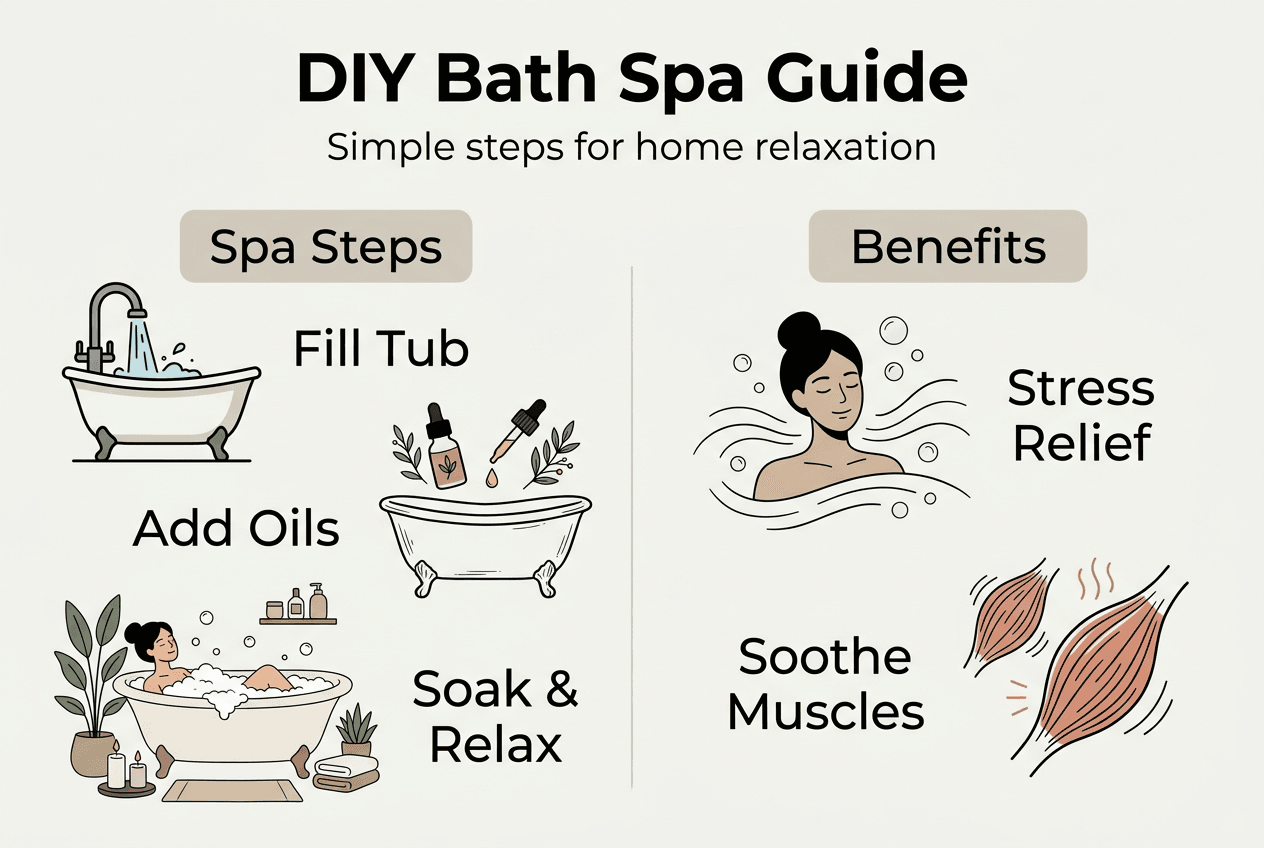
Follow these steps to create your perfect bath spa treatment:
- Clean your bathtub thoroughly and rinse away all cleaning products to prevent chemical interactions with your bath additives.
- Begin filling the tub with warm water, aiming for a temperature between 92 and 100 degrees Fahrenheit using a thermometer for accuracy.
- Add Epsom salts directly under running water to help them dissolve completely and distribute evenly throughout the bath.
- Mix your chosen essential oils with a carrier substance in a small bowl, then add this mixture to the bathwater once filling is nearly complete.
- Incorporate any additional natural ingredients like oatmeal, herbs, or clay, stirring gently with your hand to blend everything together.
- Dim the lights, light candles if using them, and start your relaxation music to complete the sensory environment.
- Test the water temperature with your hand before entering, adjusting as needed for personal comfort.
- Immerse yourself slowly, allowing your body to adjust to the warmth gradually rather than rushing the process.
- Remain in the bath for 15 to 20 minutes, which provides sufficient time for ingredients to work without over-drying your skin.
- Use this time for deep breathing exercises, meditation, or simply closing your eyes and releasing tension from each muscle group.
The science behind essential oils in aromatherapy supports their diverse therapeutic applications, making them valuable additions to your bath routine. However, proper mixing prevents common mistakes that reduce effectiveness or cause skin problems. Water temperature plays a crucial role in your experience. Too hot causes dehydration and can stress your cardiovascular system, while too cool fails to relax muscles adequately or open pores for ingredient absorption.
Pro Tip: Set a timer for your bath to avoid soaking too long. Extended exposure beyond 20 minutes can strip natural oils from your skin, leading to dryness and irritation. If you want to extend your relaxation time, drain some water after 15 minutes and add fresh warm water along with a small amount of additional Epsom salt. This refreshes the bath without overexposing your skin to the same concentrated solution.
Common mistakes include using water above 104 degrees, which can cause dizziness or raise blood pressure dangerously. Another frequent error involves adding too much essential oil, thinking more equals better results. This actually increases irritation risk without enhancing benefits. Stick to recommended amounts and increase gradually only if needed. For more detailed bathing rituals that incorporate these principles, check out our guide on in-room bath rituals and our comprehensive bath time relaxation guide.
Post-bath care and maximizing spa benefits
What you do after your bath matters just as much as the treatment itself. Proper post-bath care extends the relaxation benefits, protects your skin, and helps your body transition smoothly from the warm water environment back to room temperature. This phase completes the wellness cycle and sets the foundation for lasting comfort and improved well-being.
Implement these essential post-bath care actions:
- Pat your skin gently with a soft towel rather than rubbing vigorously, which can irritate freshly softened skin
- Apply a rich moisturizer or body oil while skin remains slightly damp to lock in hydration and maximize absorption
- Wrap yourself in a plush robe to maintain warmth and prevent rapid temperature changes that can cause chills
- Drink a full glass of water to rehydrate after fluid loss through perspiration during your bath
- Rest for at least 15 minutes in a comfortable position, allowing your body to fully absorb the treatment benefits
- Avoid immediate physical exertion or exposure to cold air that can shock your relaxed system
The continued effects of Epsom salt baths on pain and function depend partly on how well you care for yourself afterward. Choosing the right towels and robes significantly impacts your comfort level and helps maintain the cozy, pampered feeling you created during your bath. Different materials offer distinct advantages based on your preferences and needs.
| Robe/Towel Type | Absorbency | Softness | Warmth | Best Use |
|---|---|---|---|---|
| Egyptian Cotton | Excellent | Very High | Moderate | Year-round luxury |
| Waffle Weave | Good | Moderate | Low | Warmer climates |
| Turkish Cotton | Excellent | High | Moderate | Quick drying needed |
| Plush Microfiber | Very Good | Very High | High | Maximum coziness |
| Bamboo Blend | Good | High | Low | Eco-conscious choice |
Quality spa accessories transform your post-bath routine from functional to luxurious. A well-designed robe provides the perfect amount of coverage and warmth without feeling heavy or restrictive. Premium towels absorb moisture efficiently while feeling gentle against sensitized skin. These items work together to create a complete spa experience that rivals professional treatments.
Extending relaxation benefits beyond bath time requires thoughtful environment management. Keep your bathroom warm and draft-free during and after bathing. Consider using a space heater in colder months to maintain comfortable temperatures. Soft lighting should continue even after you exit the tub, as harsh overhead lights can jolt you out of your relaxed state. If possible, move to a prepared relaxation space with comfortable seating, warm blankets, and continued calming music or silence.
Proper post-care supports the muscle relaxation initiated by your bath treatment. The warmth from quality robes helps maintain increased blood flow to muscles, continuing the pain relief process. Moisturizing immediately after bathing takes advantage of open pores and increased absorption capacity, delivering hydration deep into skin layers. This combination of warmth, moisture, and rest creates optimal conditions for your body to heal and rejuvenate. For more ideas on enhancing comfort during and after bath time, explore our creative comfort tips for bath time and discover our luxury scallop bath towels designed specifically for spa-quality experiences.
Enhance your DIY bath spa with Lotus Linen
Taking your at-home spa experience to the next level requires more than just quality ingredients. The accessories you choose make a significant difference in how comfortable and luxurious your routine feels. Lotus Linen specializes in premium robes and towels crafted specifically for ultimate post-bath comfort and relaxation.

Our collections feature high-quality materials, exceptional craftsmanship, and customizable options that let you create a truly personalized spa experience. Whether you prefer the classic elegance of our women robes collection, the sophisticated comfort of our mens robes collection, or the plush luxury of our scallop piping bath towels, each piece enhances your wellness routine with style and substance. Treat yourself to accessories that transform ordinary self-care into an extraordinary ritual of comfort and rejuvenation.
Frequently asked questions
How often should I do DIY bath spa treatments?
For general relaxation and skin benefits, two to three bath spa treatments per week work well for most people. This frequency provides consistent stress relief without over-drying your skin. If you are using baths specifically for pain management or muscle recovery, you might benefit from daily soaking for short periods during acute flare-ups, then reducing to maintenance frequency once symptoms improve. Listen to your skin and adjust based on how it responds. For additional relaxation strategies, visit our bath time relaxation tips guide.
Can you use essential oils safely in every bath?
Yes, you can use properly diluted essential oils in every bath as long as you follow safe concentration guidelines and rotate different oils to prevent sensitization. Always dilute oils in a carrier substance before adding to water, and never exceed 10 drops per full bath. Some oils like cinnamon, clove, or oregano can irritate skin even when diluted, so stick with gentler options like lavender, chamomile, or eucalyptus for regular use. If you notice any redness, itching, or discomfort, discontinue that particular oil and try a different variety.
What if I have sensitive skin or allergies to common bath additives?
Sensitive skin requires extra caution when creating bath treatments. Start with plain Epsom salt baths without any essential oils or fragrances to establish a baseline tolerance. Once you confirm Epsom salt works well for you, introduce one new ingredient at a time, waiting several days between additions to identify any reactions. Colloidal oatmeal serves as an excellent gentle option for sensitive skin, providing soothing benefits without common allergens. Avoid synthetic fragrances entirely and choose pure essential oils from reputable sources, always patch testing on your inner arm before adding to bathwater.
How do I adjust bath temperature for best comfort and health?
Optimal bath temperature ranges from 92 to 100 degrees Fahrenheit for most therapeutic purposes. Use a water thermometer rather than guessing, as perception can be unreliable. Start at the lower end of this range and increase gradually if desired. People with cardiovascular conditions, diabetes, or pregnancy should consult healthcare providers before using hot baths and generally should stay closer to 92 to 95 degrees. If you feel dizzy, nauseous, or excessively sweaty during your bath, the water is too hot. Exit immediately, cool down, and use lower temperatures in future sessions.
Are DIY bath spa treatments effective for chronic pain management?
Bath spa treatments can serve as valuable components of chronic pain management strategies, though they work best when combined with other therapies. The research on Epsom salt baths demonstrates real benefits for arthritis pain and function, making them worthwhile additions to your pain management toolkit. However, they should complement rather than replace medical treatments, physical therapy, or other interventions your healthcare provider recommends. Consistent use provides better results than occasional soaking, so establish a regular routine that fits your schedule and pain patterns. Track your pain levels before and after treatments to identify which ingredients and frequencies work best for your specific condition. Learn more about bath benefits at our benefits of bath time resource.
Recommended
- Bath Time Relaxation Tips: Complete Guide for 2025 – Lotus Linen
- Bath Time Relaxation: Complete Guide to Unwind – Lotus Linen
- 7 In-Room Bath Rituals for a Luxurious Spa Experience – Lotus Linen
- Bathroom Relaxation Tips: Elevate Self-Care Daily – Lotus Linen
- Sauna und Whirlwanne: Wellness in Köpenick am Müggelsee
- Les dernières tendances de produits de bien-être - HUBY INNOVATION

