
Think a heavier bathrobe automatically means better warmth and comfort? You’re not alone, but this common belief doesn’t tell the full story. Bathrobe weight plays a crucial role in comfort, drying time, and breathability, yet many overlook how lighter options often outperform their heavier counterparts in warm climates. This guide breaks down everything you need to know about bathrobe weight to make smarter choices for yourself and your family.
Table of Contents
- Understanding Bathrobe Weight: Why It Matters
- Material Influence On Bathrobe Weight And Feel
- Balancing Warmth And Breathability Through Weight
- Bathrobe Weight For Different User Groups: Adults Vs Children
- Common Misconceptions About Bathrobe Weight
- Bathrobe Weight And Practical Considerations: Drying And Maintenance
- Practical Use Cases And Choosing The Right Weight
- Find Your Perfect Bathrobe Weight With Lotus Linen
- Frequently Asked Questions About Bathrobe Weight
Key takeaways
| Point | Details |
|---|---|
| Weight range | Adult bathrobes typically weigh 0.5 to 4 pounds; children’s robes range from 0.25 to 1 pound. |
| Impact factors | Weight affects warmth, absorbency, breathability, and how quickly your robe dries after use. |
| Material matters | Fabric type dramatically alters weight and feel, from lightweight waffle weaves to plush fleece. |
| Climate consideration | Lighter robes excel in warm, humid environments while heavier options suit cold climates better. |
| Smart selection | Choose weight based on your climate, intended use, and whether you’re shopping for adults or children. |
Understanding bathrobe weight: why it matters
Bathrobe weight isn’t just a number on a product tag. It’s measured in GSM (grams per square meter) or pounds, giving you a clear picture of what to expect when you slip into your robe.
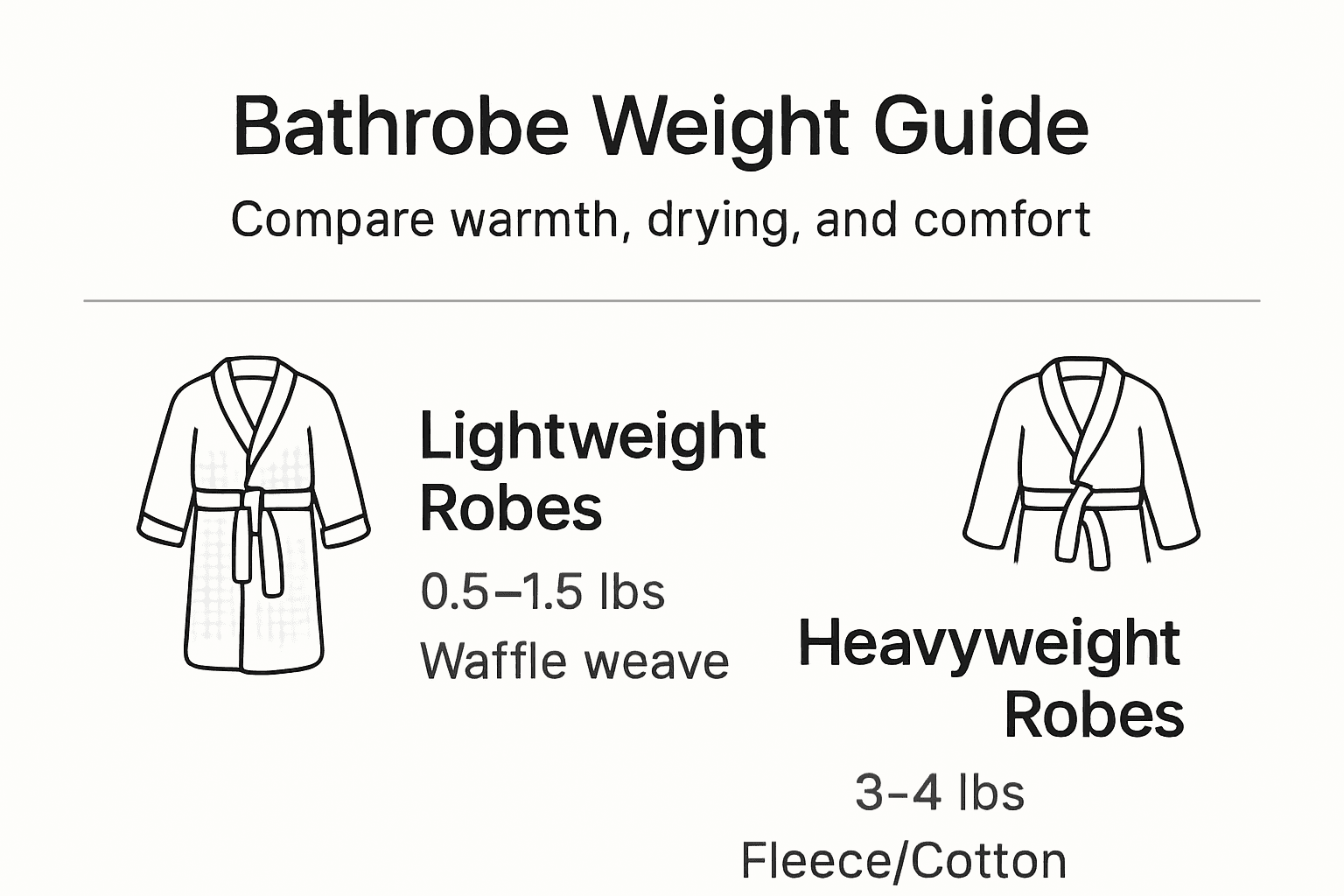
Bathrobe weight typically ranges from about 0.5 pounds for lightweight cotton options to 4 pounds for heavy fleece or plush styles. This range directly affects how your robe performs in real world use.
Here’s what weight influences:
- Absorbency levels after showers or baths
- Warmth retention during cold mornings
- Breathability in different climates
- How long the robe takes to dry
- Overall comfort during extended wear
GSM measurements help manufacturers specify fabric density. A 200 GSM cotton robe feels noticeably lighter than a 600 GSM terry cloth option. The higher the GSM, the denser and typically heavier the fabric becomes.
Weight impacts your daily experience more than you might realize. A heavy robe holds moisture longer, which can feel refreshing immediately after a shower but becomes uncomfortable if worn for extended periods. Lighter robes dry faster and allow better air circulation, making them ideal for understanding bathrobe basics and choosing what works for your lifestyle.
Pro Tip: Check both GSM and weight in pounds when shopping online to get the clearest picture of how substantial your robe will feel.
The relationship between weight and comfort isn’t linear. A 3 pound robe isn’t automatically three times more comfortable than a 1 pound option. Other factors boosting bathrobe comfort like fabric construction, fit, and your personal preferences all play crucial roles in determining which weight range works best for you.
Material influence on bathrobe weight and feel
Material choice fundamentally shapes how much your bathrobe weighs and how it performs. Different fabrics bring distinct characteristics to the table, making material selection as important as weight itself.
Cotton bathrobes span a wide weight spectrum depending on weave style. Terry cloth cotton creates plush, absorbent robes that typically weigh more due to their looped pile construction. Waffle weave cotton produces lighter robes with excellent breathability and faster drying times, perfect for warmer climates.
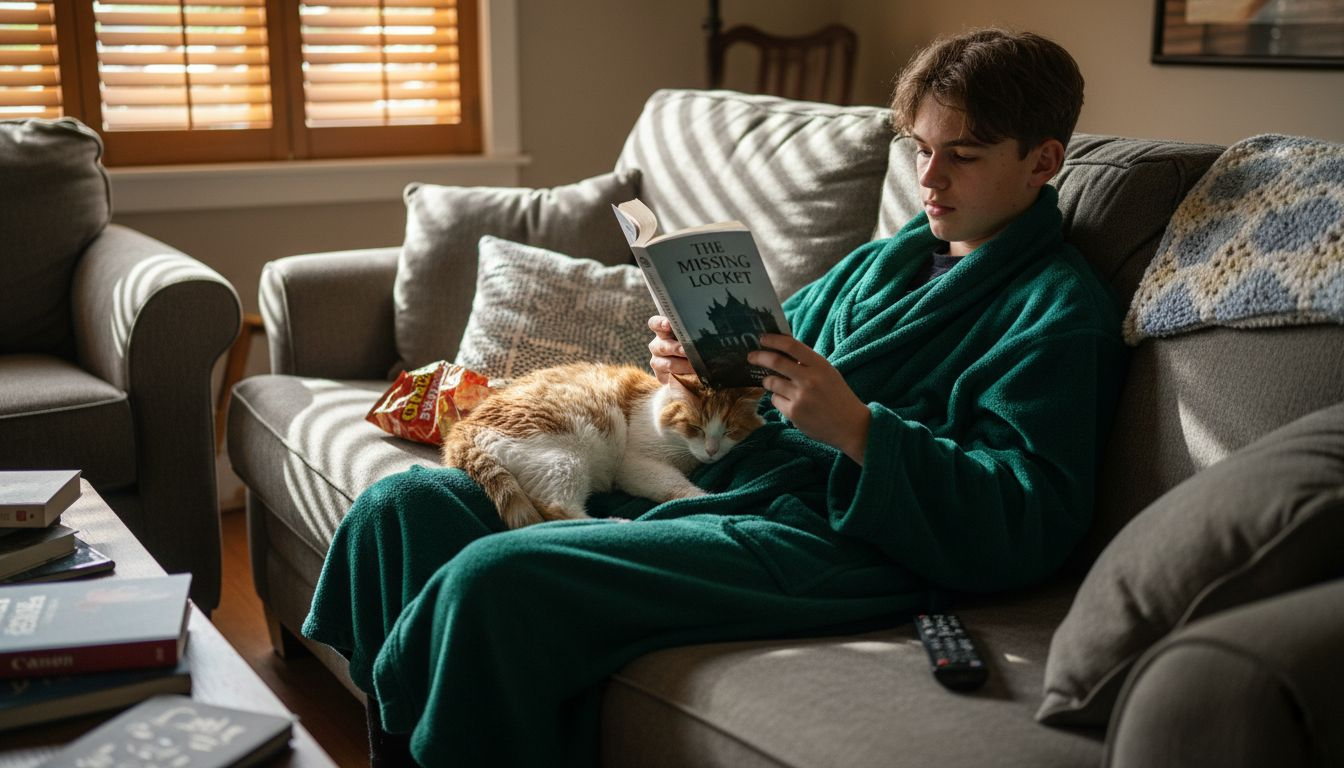
Fleece robes land on the heavier end of the spectrum. These synthetic materials trap heat effectively but add considerable weight, often reaching 3 to 4 pounds for full length styles. The tradeoff comes in warmth versus moisture management, as fleece doesn’t absorb water like natural fibers.
Silk represents the lightweight luxury category. These robes barely register on the scale yet provide surprising temperature regulation. Silk’s smooth fibers create minimal bulk while offering year round comfort, though they lack the absorbency needed for post bath use.
High quality long staple cotton bathrobes offer durability, softness, and optimal drape while maintaining balanced weight ranges. This combination enhances both comfort and longevity, making them excellent all around choices.
Here’s how different bathrobe fabric types stack up:
- Terry cloth: Heavy, highly absorbent, slower drying, warmest option
- Waffle weave: Medium light, moderately absorbent, quick drying, breathable
- Fleece: Heavy, minimal absorption, holds heat, stays dry longer
- Silk: Very light, low absorption, temperature adaptive, delicate care needed
Fabric density interacts with weight to create your perception of comfort. A well constructed waffle weave robe at 1.5 pounds can feel more luxurious than a poorly made terry cloth robe at 3 pounds. Thread count, fiber quality, and weaving technique all contribute to the final experience.
Pro Tip: Match your robe material and weight to your climate needs; choose lighter waffle weaves for humidity and heavier fleece or terry for cold, dry conditions.
Long staple cotton deserves special mention for its exceptional balance. The longer fibers create stronger, softer fabric that maintains structure across various weights. Whether you prefer a lighter 2 pound robe or a substantial 3.5 pound option, long staple cotton delivers consistent quality and durability that improves with proper care.
Balancing warmth and breathability through weight
Weight creates an unavoidable tradeoff between warmth and breathability. Understanding this balance helps you select a robe that matches your climate and usage patterns.
| Feature | Heavy Fleece Robe | Lightweight Waffle Cotton |
|---|---|---|
| Weight | 3 to 4 pounds | 0.5 to 1.5 pounds |
| Warmth | Excellent heat retention | Moderate warmth |
| Drying Speed | 6+ hours | 2 to 3 hours |
| Breathability | Limited air flow | Excellent ventilation |
Heavier robes provide more warmth but dry slower and may trap moisture longer, affecting both comfort and hygiene. When you step out of a shower wearing a heavy terry cloth robe, it initially feels cozy and absorbent. After 30 minutes, that same robe can feel damp and restrictive as moisture lingers in the dense fabric.
Lighter robes excel in different ways. Their open weave structures allow moisture to evaporate quickly while promoting air circulation against your skin. This makes them superior choices for warm, humid climates where heavy robes would feel suffocating. The reduced weight also means less strain on your shoulders during extended wear.
Consider these practical differences:
- Heavy robes work best in cold, dry climates with central heating
- Light robes suit warm climates, summer use, and high humidity areas
- Medium weight options (2 to 2.5 pounds) offer versatility across seasons
- Your activity level matters; lounging tolerates more weight than active movement
The moisture retention factor becomes critical for hygiene. Dense, heavy robe fabrics that stay damp create environments where bacteria and mildew can develop faster. If you can’t dry your robe completely between uses, lighter weight options minimize this risk.
Pro Tip: Select robe weight based on your climate and primary use; choose lighter options for post shower wear and heavier robes for lounging in cold environments.
Breathability doesn’t just affect comfort. It influences how your body temperature regulates while wearing the robe. Heavy robes can cause overheating in warm rooms, leading to discomfort and sweating. Lightweight alternatives let your skin breathe while still providing modest warmth and coverage. This balance becomes especially important if you wear your robe for extended periods while getting ready in the morning or winding down at night.
Bathrobe weight for different user groups: adults vs children
Children’s bathrobe needs differ dramatically from adult preferences, with weight playing a central safety and comfort role. Parents often make the mistake of choosing heavier robes thinking they’ll keep kids warmer, but this overlooks crucial developmental factors.
Children’s bathrobes generally weigh between 0.25 to 1 pound, made from lighter materials to maximize comfort, ease of movement, and safety. Young children lack the strength and coordination to manage heavy robes comfortably, making lightweight options essential rather than optional.
Safety concerns make weight limits critical for children. A heavy robe can:
- Restrict natural movement and active play
- Create tripping hazards with excess fabric
- Feel burdensome for small shoulders and frames
- Discourage kids from wearing robes independently
- Overheat children who naturally run warmer than adults
Parents should prioritize these factors when selecting kids bathrobe options:
- Weight under 1 pound for toddlers and young children
- Soft, non irritating fabrics that won’t scratch sensitive skin
- Quick drying materials to prevent prolonged dampness
- Appropriate length that won’t drag on the floor
- Breathable construction to prevent overheating
The misconception that heavier equals better warmth doesn’t hold up for children. Kids generate more body heat relative to their size compared to adults. A lightweight robe made from quality cotton or a soft blend provides adequate warmth without the drawbacks of heavier alternatives.
Safest materials for children’s robes focus on hypoallergenic properties and gentle textures alongside appropriate weight. Organic cotton, bamboo blends, and soft microfiber all offer excellent options in the proper weight range. These materials combine safety with the lightweight construction children need for comfortable, independent use.
Activity level matters more for children than adults. Kids don’t sit still in their robes; they run, play, and move constantly. A heavy robe transforms from cozy covering to unwanted burden within minutes. Lightweight robes accommodate this natural energy while still serving their purpose for post bath warmth and coverage.
Common misconceptions about bathrobe weight
Several persistent myths about bathrobe weight confuse shoppers and lead to poor purchasing decisions. Let’s clear up the most common misunderstandings.
Misconception 1: Heavier robes always provide superior warmth and comfort. Many assume weight directly correlates with quality and coziness. Reality shows that fabric structure, weave density, and material composition determine warmth far more than raw weight alone. A well designed waffle weave robe at 1.5 pounds can trap body heat more effectively than a poorly constructed fleece robe at 3 pounds.
Misconception 2: Lightweight robes lack durability and long term comfort. The belief that substantial weight equals better construction misses how fiber quality and weaving technique impact longevity. Premium lightweight robes made from long staple cotton or high quality microfiber often outlast heavier alternatives. Thread integrity and construction methods matter more than heft when predicting how well a robe withstands repeated washing and daily use.
Misconception 3: Children need heavier robes for adequate warmth and protection. Parents frequently choose bulkier robes thinking extra weight provides better coverage and heat retention. This ignores how children’s higher metabolic rates generate more body heat naturally. Heavy robes restrict movement, create safety hazards, and often cause discomfort through overheating rather than providing the intended benefit.
Key facts that counter these myths:
- Fabric composition determines warmth more than weight alone
- Construction quality predicts durability better than heaviness
- Climate and personal preference should guide weight selection
- Lighter robes can provide excellent warmth through smart design
- Children specifically benefit from lightweight robe options
“Selecting the right bathrobe weight requires understanding how material, climate, and intended use interact. Weight alone never tells the complete comfort story.”
The truth about bathrobe weight centers on matching characteristics to your specific needs. A heavy robe works wonderfully for someone living in a cold climate who wants maximum post shower warmth. That same robe becomes uncomfortable and impractical for someone in a warm, humid environment. Neither choice is objectively better; context determines the ideal weight range.
Quality indicators extend beyond weight to include even stitching, reinforced seams, colorfast dyes, and appropriate fabric density for the intended use. A well made 1 pound robe outperforms a poorly constructed 3 pound alternative in both comfort and longevity. Focus on overall construction quality rather than assuming heavier automatically means better.
Bathrobe weight and practical considerations: drying and maintenance
Weight directly impacts how you care for your bathrobe and how long it lasts. Understanding these practical considerations helps you choose a robe that fits your lifestyle and maintenance preferences.
Heavier robes with higher GSM retain moisture longer and require more drying time, while lightweight robes dry faster but may show wear differently with frequent washing. A 4 pound fleece robe can take 8+ hours to air dry completely, whereas a 1 pound waffle weave option dries in 2 to 3 hours.
Drying time considerations matter for several reasons. Damp robes left bunched up develop musty odors and provide breeding grounds for mildew. Heavy robes stay damp longer, requiring more careful attention to drying practices. If you lack a dryer or prefer air drying, lighter weight options prove far more practical for daily use.
Maintenance practices that extend robe life regardless of weight:
- Wash in cold or warm water, never hot, to preserve fibers
- Use mild detergent without fabric softeners that coat fibers
- Shake out robes before hanging to promote even drying
- Rotate between multiple robes to allow complete drying between uses
- Follow manufacturer care instructions for specific materials
Heavy robes require special care attention. Their dense construction means detergent can become trapped in fibers if not rinsed thoroughly. Use extra rinse cycles and avoid overloading washing machines to ensure proper cleaning. The extra weight when wet also stresses seams and closures, making reinforced construction essential for longevity.
Lighter robes present different challenges. They dry quickly but may pill or show wear on high friction areas faster than heavier alternatives. Gentle wash cycles and prompt removal from the dryer prevent unnecessary damage. Their faster drying time means you can wash them more frequently without disrupting your routine, actually extending their usable life through better hygiene.
Pro Tip: Hang heavy robes immediately after washing and space them well to promote air circulation; this prevents mildew and reduces drying time significantly.
Proper bathrobe care maintains softness and structural integrity across all weight categories. Avoid high heat drying which shrinks fibers and damages elastic components. If machine drying, use low to medium heat and remove robes while slightly damp to finish air drying. This preserves fabric texture and extends the life of your investment regardless of weight category.
Practical use cases and choosing the right weight
Selecting the ideal bathrobe weight requires assessing multiple factors specific to your situation. Follow these steps to identify your perfect match:
- Evaluate your climate and typical indoor temperature year round
- Consider whether you’ll use the robe primarily post shower or for lounging
- Assess your tolerance for weight on your shoulders during extended wear
- Determine drying options available in your home
- Factor in any special needs like frequent travel or limited storage
- Review material options that align with your weight preferences
This comparison helps match weight to your specific situation:
| Climate/Season | Recommended Weight | Best Materials | Primary Benefits |
|---|---|---|---|
| Cold weather | 2.5 to 4 pounds | Terry cloth, fleece | Maximum warmth, insulation |
| Warm/humid | 0.5 to 1.5 pounds | Waffle weave, lightweight cotton | Breathability, quick drying |
| Children | 0.25 to 1 pound | Soft cotton, microfiber | Safety, ease of movement |
| Year round | 1.5 to 2.5 pounds | Long staple cotton | Balanced versatility |
Your lifestyle patterns should guide final selection. Someone who works from home and wears a robe for hours daily needs different characteristics than someone using a robe for 15 minutes after morning showers. Extended wear favors lighter weights that won’t strain shoulders or cause overheating, while brief post shower use tolerates heavier, more absorbent options.
Travel considerations matter too. A lightweight robe packs easily and dries overnight in hotel rooms. Heavy robes consume valuable luggage space and may not dry completely between uses during short trips. If travel is frequent, prioritize weight savings over maximum warmth.
Balancing competing priorities:
- Warmth vs breathability: Choose medium weights (2 to 2.5 pounds) for best balance
- Absorbency vs drying speed: Lighter waffle weaves dry faster while maintaining decent absorption
- Durability vs comfort: Quality construction matters more than weight for longevity
- Cost vs features: Mid range weights often provide best value across characteristics
Parents choosing robes for kids should prioritize safety and comfort over all other factors. Stick with weights under 1 pound and focus on soft, non irritating materials that encourage independent use. Children outgrow robes quickly, making lightweight, affordable options more practical than heavy, expensive alternatives.
The sweet spot for most adults falls between 1.5 and 2.5 pounds. This range provides adequate warmth without excessive bulk, reasonable drying times, and comfortable all day wear potential. When selecting fabric and weight together, you create a customized solution that matches your unique preferences and environmental conditions perfectly.
Find your perfect bathrobe weight with Lotus Linen
Now that you understand how weight affects comfort, drying time, and daily use, you’re ready to find a robe that perfectly matches your needs. Lotus Linen offers carefully curated selections across weight ranges, ensuring you get the ideal balance of warmth and breathability.

Our collections cater to diverse preferences and climates. Explore elegant women’s bathrobes featuring both lightweight and medium weight options designed for comfort and style. For ultimate coziness, our plush bathrobe collection delivers luxurious warmth without overwhelming weight.
Parents will appreciate our thoughtfully designed kids bathrobes that prioritize safety through appropriate weight limits and soft, gentle materials. Every robe reflects our commitment to quality construction, premium fabrics, and designs that enhance your daily comfort ritual. Find a bathrobe that fits your lifestyle, climate, and comfort needs today.
Frequently asked questions about bathrobe weight
What’s the difference between GSM and weight in pounds for bathrobes?
GSM measures fabric density in grams per square meter, indicating how tightly fibers are woven. Weight in pounds represents the total mass of the finished robe including all fabric, closures, and embellishments. A high GSM fabric creates a heavier robe, but length and style also affect final weight.
What bathrobe weight works best for humid climates?
Lightweight robes between 0.5 and 1.5 pounds excel in humid environments. Waffle weave cotton and lightweight blends provide breathability and quick drying, preventing the clammy feeling that heavy robes create in moisture rich air. Bathrobe fabric guides can help identify materials that perform well in your specific climate.
How do I maintain bathrobe softness regardless of weight?
Wash in cold or warm water with mild detergent, avoiding fabric softeners that coat fibers. Shake robes thoroughly before drying and use low heat or air dry to preserve texture. Proper care maintains softness across all weight categories and extends the life of your robe significantly.
Can lightweight bathrobes still provide adequate warmth?
Absolutely. Well designed lightweight robes use efficient fabric structures like waffle weaves that trap air for insulation without adding bulk. Material quality and construction technique determine warmth more than raw weight, making premium lightweight robes surprisingly cozy even in cooler temperatures.
How should I choose bathrobe weight for children’s safety and comfort?
Stick with robes under 1 pound for children, focusing on soft, breathable materials that allow free movement. Reference kids bathrobe tips for detailed guidance on selecting age appropriate weights. Lighter robes prevent tripping hazards, reduce shoulder strain, and accommodate children’s higher body temperatures and active lifestyles.
Recommended
- Bathrobe Sizing Guide – Lotus Linen
- Allure of Waffle Weave Bathrobes – Lotus Linen
- Robe Thickness Explained: The Ultimate Buying Guide 2025 – Lotus Linen
- Bathrobe Fabric Types Guide 2025 | Comfort & Luxury – Lotus Linen
- Impact of Shoe Weight – How It Shapes Footwear Health – YDA UK
- Understanding Lightweight Leather Jackets: A Complete Guide - Maker of Jacket

