
Most people assume heavier bathrobes deliver superior comfort. Science reveals a different story: lightweight, breathable fabrics often outperform thick ones in thermal regulation and moisture management. True bathrobe comfort involves balancing heat retention, moisture wicking, softness, and psychological benefits. This guide reveals how to choose robes that genuinely enhance your self-care rituals and home relaxation.
Table of Contents
- Understanding Comfort In Bathrobes: Why It Matters
- Thermal Comfort And Fabric Properties Of Bathrobes
- Fabric Choices And Their Comfort Impacts
- Psychological And Sensory Comfort Benefits Of Bathrobes
- Common Misconceptions About Bathrobe Comfort
- Design Features Enhancing Comfort And Luxury
- How To Choose The Right Bathrobe For Your Comfort Needs
- Summary: Enhancing Everyday Relaxation Through Bathrobe Comfort
- Discover Luxurious Comfort With Lotus Linen Bathrobes
Key Takeaways
| Point | Details |
|---|---|
| Comfort is multi-dimensional | Combines thermal regulation, moisture control, tactile softness, and psychological well-being. |
| Fabric properties vary significantly | Absorbency and breathability differ widely, directly impacting your skin’s microclimate and comfort. |
| Design features personalize fit | Adjustable belts, hoods, and cuffs allow customized warmth and enhance overall satisfaction. |
| Lightweight robes excel in many scenarios | Breathable fabrics often surpass heavy options by preventing overheating and managing moisture better. |
| Smart choices support wellness | Selecting the right bathrobe improves relaxation quality and contributes to daily self-care routines. |
Understanding Comfort in Bathrobes: Why It Matters
Bathrobe comfort extends far beyond initial softness. It involves creating an optimal microclimate between your skin and fabric that balances heat and moisture precisely. Comfort entails thermal regulation, moisture management, tactile softness, and psychological effects that influence your relaxation experience.
Your bathrobe establishes a protective layer maintaining ideal skin temperature while preventing excess moisture accumulation. This microclimate directly affects how relaxed you feel during post-bath routines or evening unwinding. For health-conscious women prioritizing wellness, understanding these dimensions transforms robe selection from guesswork into informed choice.
The right bathrobe impacts more than physical comfort. It influences stress levels, mood stability, and the quality of your self-care rituals. When your robe manages temperature and moisture effectively while feeling luxurious against skin, you create conditions for genuine relaxation. Consider these comfort dimensions:
- Thermal regulation keeps you warm without overheating
- Moisture management prevents clamminess and skin irritation
- Tactile softness enhances sensory satisfaction
- Psychological benefits promote stress reduction and mindfulness
Thoughtful bathrobe choices enhance your home wellness routines by supporting both physical and mental well-being.
Thermal Comfort and Fabric Properties of Bathrobes
Thermal comfort science explains why fabric choice dramatically affects how warm or cool you feel. Thermal comfort is determined by clothing insulation, metabolic heat, and environment variables like humidity and air temperature according to established comfort equations. Your bathrobe must balance heat retention with heat loss based on your body’s metabolic output and surrounding conditions.
Different fabrics provide varied insulation values (measured in clo units) that determine warmth retention. A thick terry cloth robe offers higher insulation than waffle weave, but higher insulation is not always better. Bathrobes provide thermal regulation by maintaining a microclimate between skin and fabric, balancing heat loss and retention to promote comfort through their structure and composition.
Breathability becomes crucial when ambient temperature rises or after hot showers. Fabric structure governs how easily warm, moist air escapes from the microclimate layer. Dense, tightly woven fabrics trap heat and moisture, potentially causing discomfort. Looser weaves allow better ventilation and moisture evaporation.
Lightweight breathable fabrics can regulate temperature more effectively than heavier options in many home environments. They prevent the overheating that occurs when insulation exceeds what your body needs for comfort. Understanding thermal bathrobe features helps you match fabric properties to your specific climate and usage patterns.
Key thermal comfort factors include:
- Fabric insulation value matching your environment
- Breathability allowing moisture vapor escape
- Heat retention appropriate for ambient temperature
- Air permeability preventing stuffiness
Fabric Choices and Their Comfort Impacts
Each bathrobe fabric delivers distinct comfort characteristics based on fiber properties and weave structure. Understanding these differences guides you toward fabrics matching your specific needs and preferences.
Cotton remains popular for good reason. Cotton offers high absorbency due to hydrophilic cellulose fibers supporting skin dryness after bathing, making it excellent for post-shower use. Cotton’s natural breathability prevents overheating while its softness improves with washing. The trade-off is weight, as absorbent cotton robes feel heavier, especially when damp.
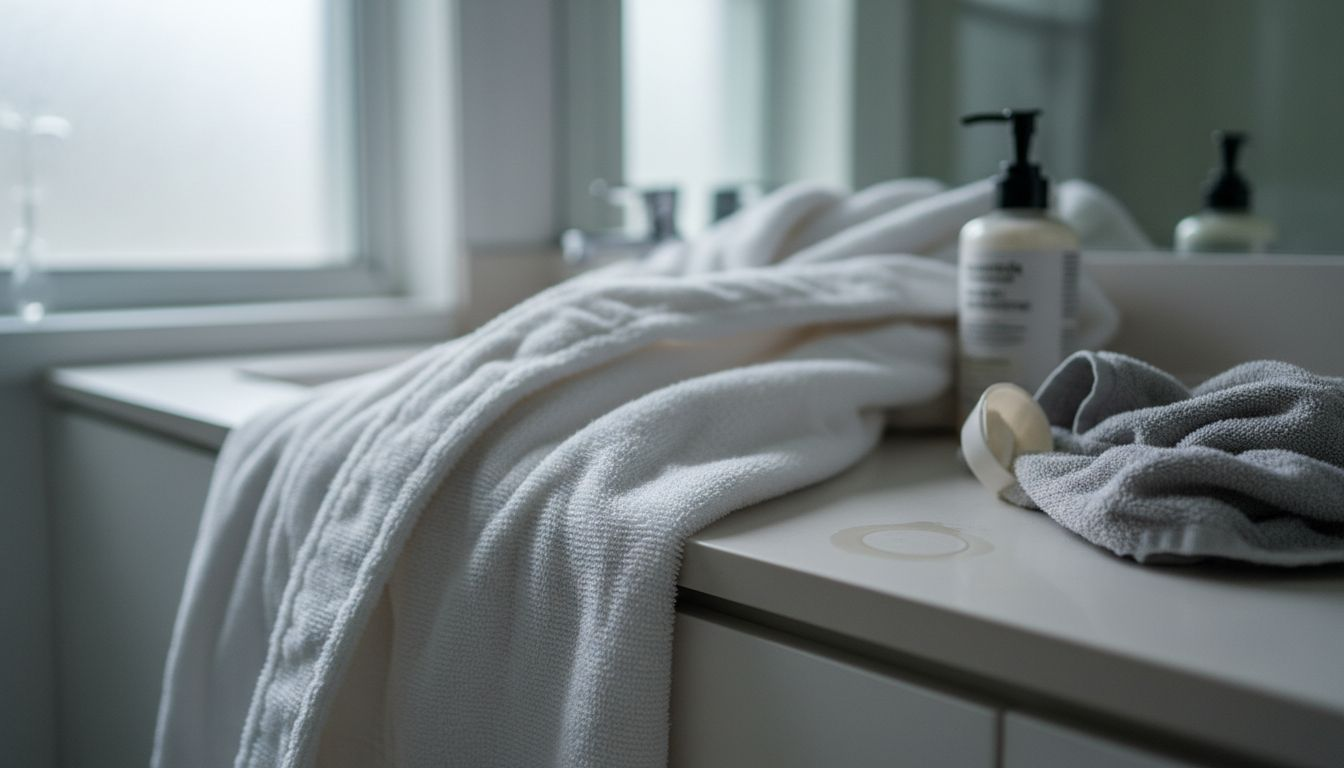
Microfiber technology creates ultra-fine synthetic fibers delivering exceptional performance. Microfiber bathrobes maximize softness and moisture absorption with fibers finer than human hair, providing plush comfort and rapid drying. These lightweight robes excel at moisture wicking, pulling water away from skin efficiently. Compare cotton vs microfiber comfort to understand their distinct advantages.
Silk offers unmatched luxury in tactile sensation. However, silk feels luxurious but lacks adequate absorbency and breathability for wet conditions, limiting its post-bath effectiveness. Silk robes work better for dry lounging when you prioritize elegance over moisture management.
Waffle weave features a textured grid pattern creating air pockets. This structure provides lightweight warmth while promoting exceptional breathability. Waffle weave bathrobes excel at moisture evaporation without sacrificing comfort, making them ideal for warmer climates or year-round use.
| Fabric | Absorbency | Breathability | Weight | Best For |
|---|---|---|---|---|
| Cotton | High | Good | Heavy | Post-bath warmth |
| Microfiber | Very High | Excellent | Light | Quick drying |
| Silk | Low | Poor | Very Light | Lounging |
| Waffle Weave | Moderate | Excellent | Light | Moisture management |
Pro Tip: Choose microfiber or waffle weave if you live in humid climates where moisture management matters more than maximum absorbency.
Psychological and Sensory Comfort Benefits of Bathrobes
Beyond physical properties, bathrobes deliver powerful psychological benefits enhancing mental well-being. Soft, well-fitting robes reduce stress and improve mood by promoting relaxation, lowering cortisol levels during self-care routines. This stress reduction occurs because comfortable textures trigger positive sensory responses.
Tactile comfort from soft fabrics provides sensory satisfaction that calms your nervous system. When your bathrobe feels pleasant against skin, it reinforces relaxation signals to your brain. This sensory feedback enhances the psychological benefits of your self-care time.
Well-fitting robes support mindfulness by creating a distinct transition between daily activities and relaxation time. Slipping into a comfortable bathrobe signals your mind that it’s time to unwind. This ritual aspect strengthens your commitment to healthy self-care routines.
For individuals with sensory sensitivities or cognitive differences, specialized comfortable robes provide essential support. The right fabric and fit can reduce anxiety and promote calm during daily routines.
Psychological comfort dimensions include:
- Stress hormone reduction through tactile satisfaction
- Mood improvement from sensory pleasure
- Mindfulness enhancement via routine establishment
- Anxiety reduction through predictable comfort
Pro Tip: Invest in a bathrobe that feels emotionally satisfying, not just functionally adequate. Your psychological response to texture and fit matters as much as physical properties.
Common Misconceptions About Bathrobe Comfort
Several persistent myths mislead shoppers into poor bathrobe choices. Understanding the truth behind these misconceptions saves money and prevents disappointment.
-
Myth: Thicker robes always mean better comfort. Reality: Heavier bathrobes are not always more comfortable; breathability often trumps thickness in determining actual comfort. Thick robes can trap excess heat and moisture, causing clamminess rather than coziness. Lightweight options with good insulation often perform better.
-
Myth: Silk robes are best for post-bath use. Reality: Silk robes are not suitable for post-bath moisture absorption despite luxury feel, making them impractical when your skin is damp. Their low absorbency leaves you feeling wet longer. Cotton or microfiber works far better after showers.
-
Myth: Fabric alone determines overall comfort. Reality: Design features like adjustable belts, hood placement, and sleeve construction significantly affect warmth distribution and fit. Two robes made from identical fabric can deliver vastly different comfort based on design.
-
Myth: More thickness guarantees better thermal comfort. Reality: Moisture wicking and airflow matter more than thickness for maintaining comfortable skin temperature. A breathable lightweight robe often outperforms a thick one that traps moisture and prevents ventilation.
-
Myth: One bathrobe suits all seasons and situations. Reality: Optimal comfort requires matching fabric weight and breathability to your climate and specific use case. You might need different robes for summer and winter.
Recognizing these myths prevents disappointing purchases and helps you focus on properties that genuinely affect comfort.
Design Features Enhancing Comfort and Luxury
Smart design elements amplify fabric performance, creating superior comfort beyond material choice alone. Adjustable belts, hoods, and cuffed sleeves increase perceived comfort scores by over 30% through improved fit and warmth control.
Adjustable belts let you customize fit precisely, preventing gaps that allow warmth to escape. A well-tied belt creates better thermal retention around your core while accommodating different body shapes comfortably. This personalization matters more than you might expect for overall satisfaction.
Hoods and thick collars dramatically increase heat retention around your neck and head, where significant warmth loss occurs. A hood provides extra coziness during cold mornings or when drying your hair. Collars frame your face comfortably while preventing drafts.
Cuffed sleeves prevent cold air from entering at your wrists, maintaining warmth in your arms. This small detail makes surprising difference in overall comfort, especially in cooler homes. Cuffs also keep sleeves from sliding down during activities.
Soft linings add tactile luxury through contrasting textures against your skin. Even when outer fabric prioritizes durability, a plush lining delivers sensory satisfaction. This layering approach combines functional performance with comfort.
Explore comprehensive bathrobe comfort design features to understand how these elements work together. Customization options allow you to prioritize specific features matching your preferences:
- Deep pockets for convenience without bulk
- Loop closures providing secure fit options
- Generous length protecting legs from cold
- Reinforced seams ensuring long-term comfort
How to Choose the Right Bathrobe for Your Comfort Needs
Selecting your ideal bathrobe requires matching fabric and design to your specific lifestyle and environment. Follow these steps for optimal results:
-
Assess your climate and warmth preferences. Choose thicker insulating fabrics for cold environments where heat retention matters most. Select breathable lightweight options for warm climates or if you tend to overheat easily. Your local temperature patterns should guide this fundamental choice.
-
Match fabric moisture management to your routine. If you wear your robe immediately after bathing with damp skin, prioritize high absorbency fabrics like cotton or microfiber. For dry lounging, moisture management becomes less critical. Review choosing bathrobe fabrics for detailed comparisons.
-
Prioritize tactile softness and proper fit. Your psychological comfort depends heavily on how fabric feels against skin and whether the robe fits well. Try different textures to identify what feels most satisfying to you personally. Proper fit prevents frustration during use.
-
Consider adjustable design features. Look for elements like adjustable belts, hoods, and cuffed sleeves that let you customize warmth and fit. These features adapt the robe to different situations and personal preferences throughout the day.
-
Align your choice with wellness goals. Your bathrobe should support your self-care objectives, whether that means maximizing relaxation, improving sleep quality, or creating mindful transition rituals. Consider best bathrobe fabrics for comfort that match your health-conscious lifestyle.
Pro Tip: Purchase your bathrobe based on your most frequent use case, not occasional situations. If you wear it daily after showers, prioritize absorbency over occasional lounging elegance.
Summary: Enhancing Everyday Relaxation Through Bathrobe Comfort
Bathrobe comfort encompasses thermal regulation, moisture management, tactile satisfaction, and psychological well-being working together. No single factor determines overall comfort; instead, these dimensions interact to create your total experience.
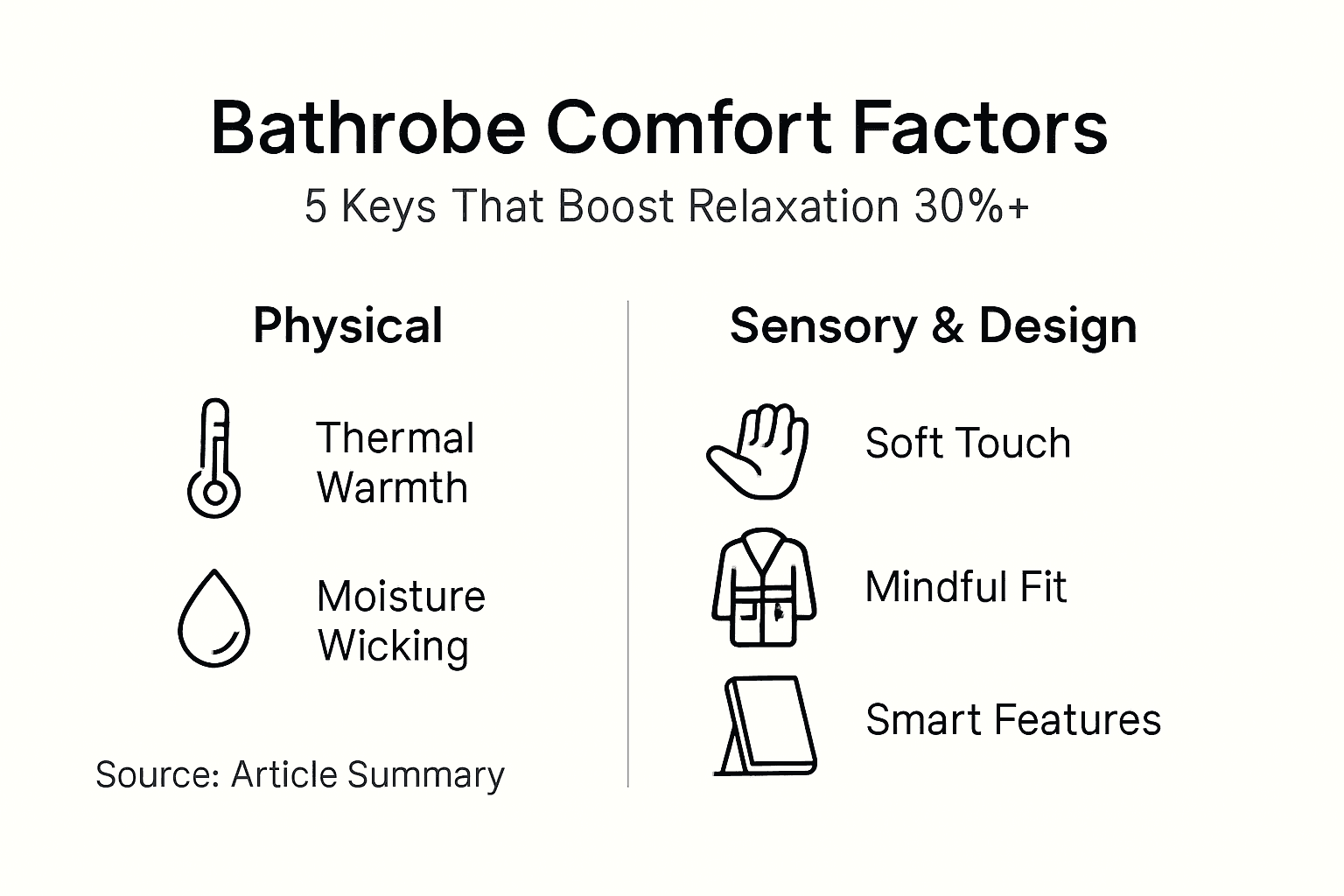
Different fabrics offer distinct advantages depending on your priorities. Cotton excels at post-bath absorbency, microfiber combines lightweight feel with moisture wicking, waffle weave provides breathability, and silk delivers lounging luxury. Understanding these trade-offs helps you select wisely.
Design features significantly impact how well fabric properties translate into actual comfort. Adjustable belts, hoods, and cuffed sleeves personalize fit and warmth retention beyond what fabric alone provides. These elements deserve careful consideration during selection.
Choosing the right bathrobe improves your daily relaxation quality, mood stability, and physical comfort during self-care routines. Informed decisions based on your specific climate, usage patterns, and wellness goals lead to significantly better experiences. Your bathrobe becomes a genuine tool for enhanced home wellness rather than just clothing.
Discover Luxurious Comfort with Lotus Linen Bathrobes
Now that you understand what creates true bathrobe comfort, explore Lotus Linen’s curated selection designed specifically for health-conscious women seeking luxury and relaxation. Our robes combine premium fabrics with thoughtful design features that deliver the multi-dimensional comfort you deserve.

Choose from carefully selected materials and styles tailored for ultimate relaxation during your self-care routines. Whether you need moisture-wicking microfiber for post-shower comfort or breathable waffle weave for year-round use, our collection offers options matching your specific needs. Discover unique luxury bathrobe gift box options perfect for treating yourself or someone special.
Explore our comprehensive bathrobe fabric guide to compare materials in depth, or review must-have bathrobe features that enhance daily comfort. Elevate your home wellness routine with bathrobes engineered for both practical performance and luxurious feel.
FAQ
How do bathrobe fabrics affect comfort after a shower?
Highly absorbent fabrics like cotton wick moisture away from damp skin, helping you dry faster and preventing clamminess. Breathable materials simultaneously prevent overheating by allowing excess warmth to escape. Consult our bathrobe fabric guide to match fabric properties to your post-shower needs.
Can lightweight robes be as comfortable as thick ones?
Yes, lightweight robes often provide superior comfort through better moisture evaporation and air circulation that prevents overheating. They excel in warmer climates and after bathing when breathability matters more than maximum insulation. Explore lightweight bathrobes comfort benefits for year-round use.
What design features enhance bathrobe comfort?
Adjustable belts allow customized fit preventing warmth loss, while hoods retain heat around your head and neck. Cuffed sleeves stop drafts at wrists, and these features combined boost comfort significantly beyond fabric alone. Review detailed bathrobe design features when selecting your ideal robe.
Are silk bathrobes suitable for post-bath use?
Silk bathrobes lack sufficient absorbency and breathability for effectively managing moisture after bathing, leaving skin damp longer. They work better for dry lounging when you prioritize luxurious feel over practical moisture management. Check silk bathrobe suitability versus other options for post-bath scenarios.
Recommended
- 10 Bathrobe Features – Lotus Linen
- Bath Time Relaxation Tips: Complete Guide for 2025 – Lotus Linen
- Role of Robes for Home Spa: 32% More Comfort & Relaxation – Lotus Linen
- Miss a Fluffy Bathrobe – Lotus Linen
- Canapé Meridia - Velours Côtelé ultra doux et confort - Beige – Joya Home

