
Running a busy household in a city like New York or Los Angeles means that every choice, right down to your towels, can impact your family’s comfort and health. For American parents dedicated to eco-friendly living, finding bath linens that are truly hypoallergenic is more than a style statement. Discover how allergy-safe towels—crafted to reduce allergen exposure and rigorously tested for sensitive skin—offer a safer, stylish solution without compromising on sustainability or peace of mind.
Table of Contents
- What Are Allergy-Safe Towels?
- Key Materials And Hypoallergenic Properties
- Types And Variations Of Allergy-Safe Towels
- Certifications And U.S. Safety Standards
- Risks From Conventional Towels And Mistakes To Avoid
- Comparing Allergy-Safe Towels To Alternatives
Key Takeaways
| Point | Details |
|---|---|
| Allergy-Safe Towels | Engineered to protect individuals with allergies and sensitive skin, these towels minimize allergens through specialized fabric technologies. |
| Hypoallergenic Materials | Key materials such as organic cotton and bamboo fibers are selected for their allergen resistance and comfort, supporting individuals with conditions like eczema and asthma. |
| Certification Importance | Always verify independent certifications to ensure towels meet high standards for allergen reduction and safety for sensitive skin. |
| Hygiene Practices | Regular washing and proper towel storage are crucial to prevent bacterial and fungal growth, which can exacerbate skin issues and allergies. |
What Are Allergy-Safe Towels?
Allergy-safe towels represent a specialized textile solution designed to protect individuals with sensitive skin and respiratory conditions. These carefully engineered products go beyond traditional towel manufacturing by meeting rigorous scientific standards that minimize potential allergen exposure.
At their core, allergy-safe towels are specifically crafted to reduce contact with common irritants that trigger asthma and allergic reactions. The key characteristics that distinguish these towels include:
- Hypoallergenic fabric construction
- Resistance to dust mite accumulation
- Minimal chemical treatments
- Tightly woven fabric preventing allergen penetration
- Designed to inhibit bacterial and fungal growth
Unlike standard towels, these specialized textiles undergo extensive testing to ensure they provide a protective barrier against potential allergens. Hypoallergenic properties are engineered into the fabric’s molecular structure, creating a surface that actively resists irritant buildup.
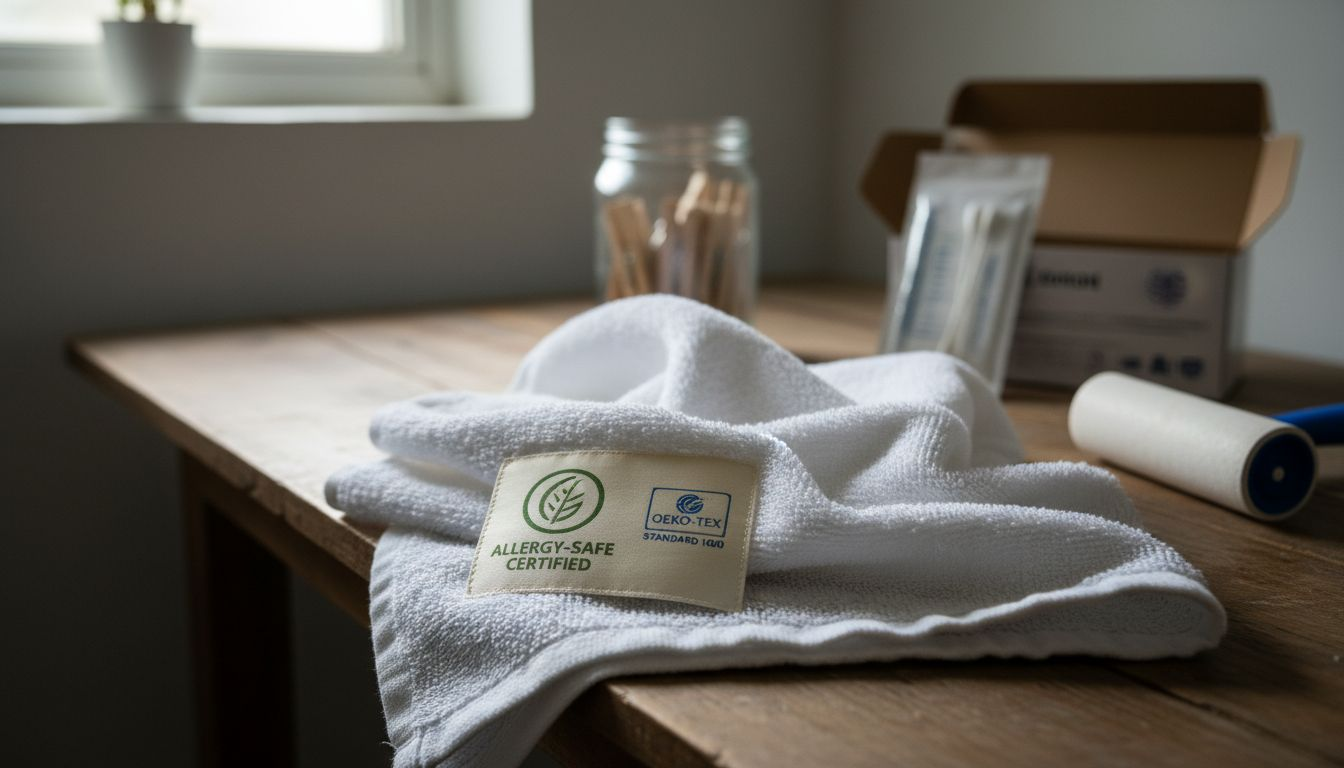
Manufacturers of allergy-safe towels employ advanced techniques like specialized weaving patterns and antimicrobial treatments to create products that support individuals with heightened sensitivities. These towels are particularly beneficial for people managing conditions such as eczema, asthma, and chronic skin allergies.
Pro tip: When selecting allergy-safe towels, always check for official certifications from recognized allergy and textile safety organizations to ensure genuine hypoallergenic protection.
Key Materials and Hypoallergenic Properties
Hypoallergenic towels are meticulously crafted using specialized materials designed to minimize allergic reactions and skin irritations. Materials engineered for allergen resistance play a crucial role in creating textiles that protect individuals with sensitive skin conditions.
The most effective hypoallergenic towel materials include:
- Organic cotton with tight weave patterns
- Bamboo fiber textiles
- Microfiber synthetic blends
- Modal fabric with antimicrobial properties
- Specially treated cotton alternatives
These materials are strategically selected to create physical and chemical barriers against potential irritants. Specialized fabric technologies focus on preventing dust mite accumulation, blocking potential allergen penetration, and reducing the likelihood of bacterial growth.
Manufacturers employ advanced textile engineering techniques to develop towels that go beyond traditional fabric production. By utilizing tightly woven fabrics and innovative treatments, these towels provide an additional layer of protection for individuals managing skin sensitivities, allergies, and respiratory conditions.
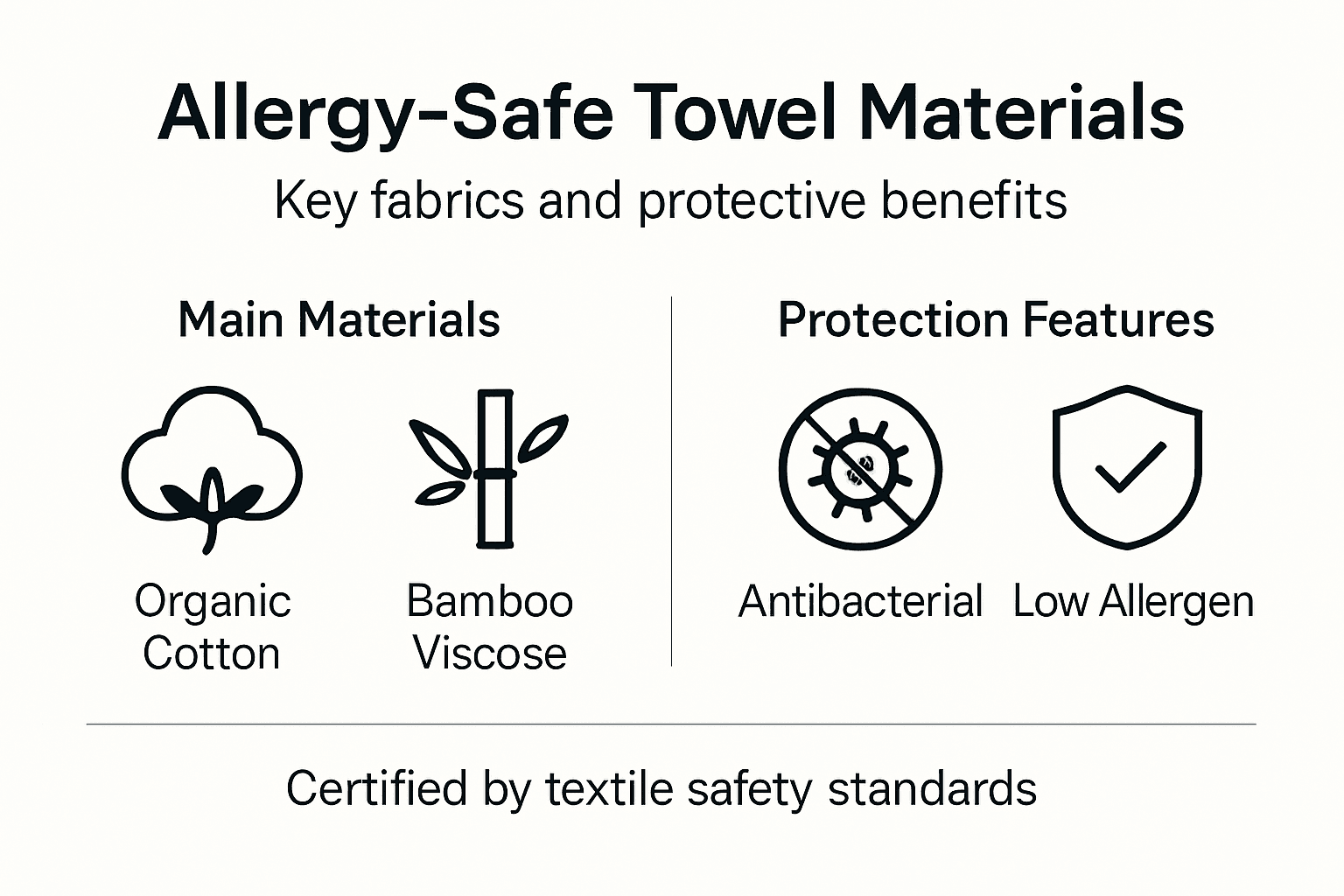
Here’s a comparison of towel material innovations and their benefit for sensitive skin:
| Material Type | Allergy Protection Level | Comfort | Sustainability Impact |
|---|---|---|---|
| Organic Cotton | High | Soft and breathable | Strong eco credentials |
| Bamboo Fiber | Moderate | Silky touch | Renewable resource |
| Microfiber Blends | Enhanced | Fast-drying | Synthetic, less eco-friendly |
| Modal Fabric | High with treatments | Extra smooth | Plant-based, biodegradable |
| Treated Cotton Alt. | Moderate to high | Varies by product | Depends on source |
Pro tip: When purchasing hypoallergenic towels, always examine the fabric composition and look for certifications that validate the material’s allergen-resistant properties.
Types and Variations of Allergy-Safe Towels
Allergy-safe towels represent a sophisticated range of textile solutions designed to address various sensitivities and health concerns. Certified asthma and allergy-friendly towels undergo rigorous testing to ensure they meet the highest standards of allergen protection and skin safety.
The primary types of allergy-safe towels include:
- Antimicrobial towels with bacteria-inhibiting treatments
- Organic cotton towels with tight weave patterns
- Hypoallergenic towels designed as dust mite barriers
- UVA/UVB protective towels for sensitive skin
- Chemical-free and dye-free textile options
Specialized fabric variations provide targeted solutions for different skin sensitivities. These towels are engineered with unique characteristics such as enhanced breathability, reduced chemical treatments, and specific weave densities that minimize potential allergic triggers.
Manufacturers continue to innovate by developing towels that not only protect against allergens but also provide additional benefits like moisture-wicking properties, antimicrobial finishes, and natural fiber compositions. This evolution ensures that individuals with sensitive skin can find precisely tailored textile solutions that meet their specific health and comfort requirements.
Pro tip: Always inspect the fabric certification and specific treatment details when selecting allergy-safe towels to ensure they match your individual health needs.
Certifications and U.S. Safety Standards
Certification programs for allergy-safe textiles play a critical role in protecting consumers with sensitive health conditions. The Asthma & Allergy Friendly® Certification represents the gold standard for verifying product safety and allergen reduction in textile manufacturing.
Key certification characteristics include:
- Independent third-party testing
- Rigorous scientific evaluation protocols
- Specific allergen exposure reduction metrics
- Comprehensive material safety assessments
- Regular product recertification requirements
Federal regulatory oversight ensures additional consumer protection, even though no single comprehensive standard exists for allergy-safe towels. Manufacturers must navigate complex safety requirements that address potential chemical irritants, material composition, and potential allergenic substances.
Third-party certifications provide consumers with critical guidance in selecting safe textile products. These independent evaluations go beyond basic manufacturing standards, offering detailed insights into a product’s potential to trigger allergic responses or skin sensitivities.
Pro tip: Always request and verify the specific certification details of your towels, focusing on independent testing documentation that demonstrates genuine allergen reduction capabilities.
Risks From Conventional Towels and Mistakes to Avoid
Conventional towel misuse presents significant health risks for families with sensitive skin or allergies. These everyday textiles can become breeding grounds for bacteria, fungi, and dust mites when not properly maintained, potentially triggering skin irritations and allergic reactions.
Critical towel hygiene mistakes to avoid include:
- Infrequent washing of towels
- Hanging towels in damp, poorly ventilated spaces
- Sharing towels among family members
- Using towels beyond recommended use cycles
- Storing towels in humid bathroom environments
Bacterial accumulation risks extend beyond simple cleanliness concerns. Moist towels create ideal conditions for microorganisms to multiply rapidly, potentially leading to skin infections, worsening eczema, and exacerbating allergic conditions.
Families with sensitive skin must adopt proactive strategies to minimize these risks. Understanding the potential health hazards associated with conventional towels empowers consumers to make more informed choices about textile care and selection, ultimately protecting their family’s skin health.
Pro tip: Wash towels every three to four uses, and always hang them in well-ventilated areas to prevent moisture buildup and microbial growth.
Comparing Allergy-Safe Towels to Alternatives
Certified allergy-safe towels represent a significant advancement in textile design, offering superior protection compared to traditional towel options. These specialized textiles provide comprehensive defense against potential allergens that standard towels cannot match.
Key comparative characteristics include:
- Antimicrobial treatment effectiveness
- Physical allergen barrier capabilities
- Chemical irritant reduction
- Durability and long-term performance
- Comprehensive testing and certification
Hypoallergenic textile technologies demonstrate remarkable differences between allergy-safe towels and conventional alternatives. While organic cotton towels might reduce chemical exposure, they lack the sophisticated allergen-blocking mechanisms found in certified products.
Unlike disposable or single-use alternatives, allergy-safe towels balance sustainability, comfort, and health protection. These advanced textiles represent a strategic investment for families managing sensitive skin conditions, providing a comprehensive approach to minimizing potential allergic triggers.
This table outlines the main distinctions between allergy-safe towels and conventional alternatives:
| Feature | Allergy-Safe Towels | Conventional Towels |
|---|---|---|
| Allergen Resistance | Proven barrier | Little to none |
| Microbe Inhibition | Antimicrobial treated | May enable growth |
| Certification | Independently verified | Not typically tested |
| Durability | Long-lasting | Varies widely |
Pro tip: Always verify independent certification details when selecting allergy-safe towels to ensure genuine protection beyond marketing claims.
Discover True Comfort with Allergy-Safe Towels from Lotus Linen
The challenge of finding towels that genuinely protect sensitive skin and reduce allergen exposure can be overwhelming. Allergy-safe towels must offer tightly woven fabrics, antimicrobial treatments, and chemical-free materials to shield your family’s skin from irritants and bacteria. At Lotus Linen, we understand how vital it is to balance comfort, safety, and quality to support your health and well-being.
Experience the difference with our premium collection of plush and waffle towels designed with these concepts in mind. Our products embrace the principles of allergy-safe textiles by emphasizing softness, durability, and minimal chemical use so you can confidently create a safer environment for your loved ones. Explore our full range of bath and spa essentials at Lotus Linen and enjoy the peace of mind that comes with superior textile care.

Take the first step toward protecting your family’s skin today by choosing towels that meet the highest standards of hypoallergenic comfort. Visit Lotus Linen’s homepage to browse our exclusive collection and discover how premium fabrics and thoughtful design bring peace and luxury to your daily routine.
Frequently Asked Questions
What are allergy-safe towels?
Allergy-safe towels are specialized textiles designed to protect individuals with sensitive skin and respiratory conditions. They minimize allergen exposure through features like hypoallergenic fabric, resistance to dust mites, and reduced chemical treatments.
How do I choose the right allergy-safe towels for my family?
When selecting allergy-safe towels, look for official certifications from recognized allergy organizations, check for hypoallergenic properties, and examine the fabric composition to ensure they meet your family’s specific health needs.
How can I maintain allergy-safe towels to ensure their effectiveness?
To maintain allergy-safe towels, wash them frequently—every three to four uses in hot water, hang them in well-ventilated areas to dry, and avoid sharing them among family members to minimize cross-contamination.
What are the benefits of using allergy-safe towels over conventional towels?
Allergy-safe towels provide superior allergen resistance, inhibit bacterial growth through antimicrobial treatments, undergo independent certifications for safety, and offer long-lasting durability compared to conventional towels.
Recommended
- 7 Expert Tips for Smart Children’s Towel Choices – Lotus Linen
- White vs Colored Towels: Impact on Family Wellness – Lotus Linen
- Oeko-Tex Certification: Ensuring Safe, Luxe Textiles – Lotus Linen
- 7 Sustainable Bath Linen Options for Eco-Conscious Living – Lotus Linen
- How to Choose Safe & Effective Home Cleaners for Every Room

